
VectorUSA


California K–12 Technology Buyer’s Guide: E-Rate, Funding Paths, and Refresh Planning
For school districts and libraries, maintaining reliable network infrastructure requires careful planning. Aging equipment, increasing connectivity demands, and limited budgets can make it difficult to prioritize improvements. The federal E-Rate program helps offset the cost of eligible internet access and network infrastructure. But taking full advantage of this funding requires more than identifying equipment that needs replacing. Applicants must understand eligibility requirements, procurement processes, and application deadlines while planning for long-term technology needs.
For school districts and libraries, maintaining reliable network infrastructure requires careful planning. Aging equipment, increasing connectivity demands, and limited budgets can make it difficult to prioritize improvements. The federal E-Rate program helps offset the cost of eligible internet access and network infrastructure. But taking full advantage of this funding requires more than identifying equipment that needs replacing. Applicants must understand eligibility requirements, procurement processes, and application deadlines while planning for long-term technology needs.
Read full post on blog.vectorusa.com
What Managed Services Should Include: A Practical Guide for IT Leaders
What is Managed IT Services? Managed IT services is an operating model in which an external provider takes ongoing responsibility for a defined set of a company’s technology support, monitoring, and maintenance needs. Unlike break-fix support, where a vendor only responds when something fails, managed services covers recurring work on a proactive schedule. The internal IT team keeps strategic control, while the provider takes on help desk volume, coverage needs, and monitoring gaps the team cannot reliably staff on its own. VectorUSA delivers managed IT services designed around the actual op
What is Managed IT Services? Managed IT services is an operating model in which an external provider takes ongoing responsibility for a defined set of a company’s technology support, monitoring, and maintenance needs. Unlike break-fix support, where a vendor only responds when something fails, managed services covers recurring work on a proactive schedule. The internal IT team keeps strategic control, while the provider takes on help desk volume, coverage needs, and monitoring gaps the team cannot reliably staff on its own. VectorUSA delivers managed IT services designed around the actual operating needs of lean IT teams, not a generic ticket queue.
Read full post on blog.vectorusa.com
Why Cybersecurity Is Not Just a Tools Problem
Many organizations are not short on cybersecurity tools. They are short on clear decisions.Endpoint tools flag risky devices. Email tools catch suspicious messages. Firewalls surface unusual traffic. Identity platforms show access gaps. Scanners find exposed systems. Dashboards keep adding alerts.More signals do not always create more progress. Leaders still need to know what matters, who owns the fix, and how to prove risk is going down.That is why cybersecurity is not just a tool stack problem. A stronger cybersecurity strategy starts with risk, visibility, ownership, and response.
Many organizations are not short on cybersecurity tools. They are short on clear decisions.Endpoint tools flag risky devices. Email tools catch suspicious messages. Firewalls surface unusual traffic. Identity platforms show access gaps. Scanners find exposed systems. Dashboards keep adding alerts.More signals do not always create more progress. Leaders still need to know what matters, who owns the fix, and how to prove risk is going down.That is why cybersecurity is not just a tool stack problem. A stronger cybersecurity strategy starts with risk, visibility, ownership, and response.
Read full post on blog.vectorusa.com
Data Center Checklist: 6 Questions to Ask Before Your Next Data Center Refresh
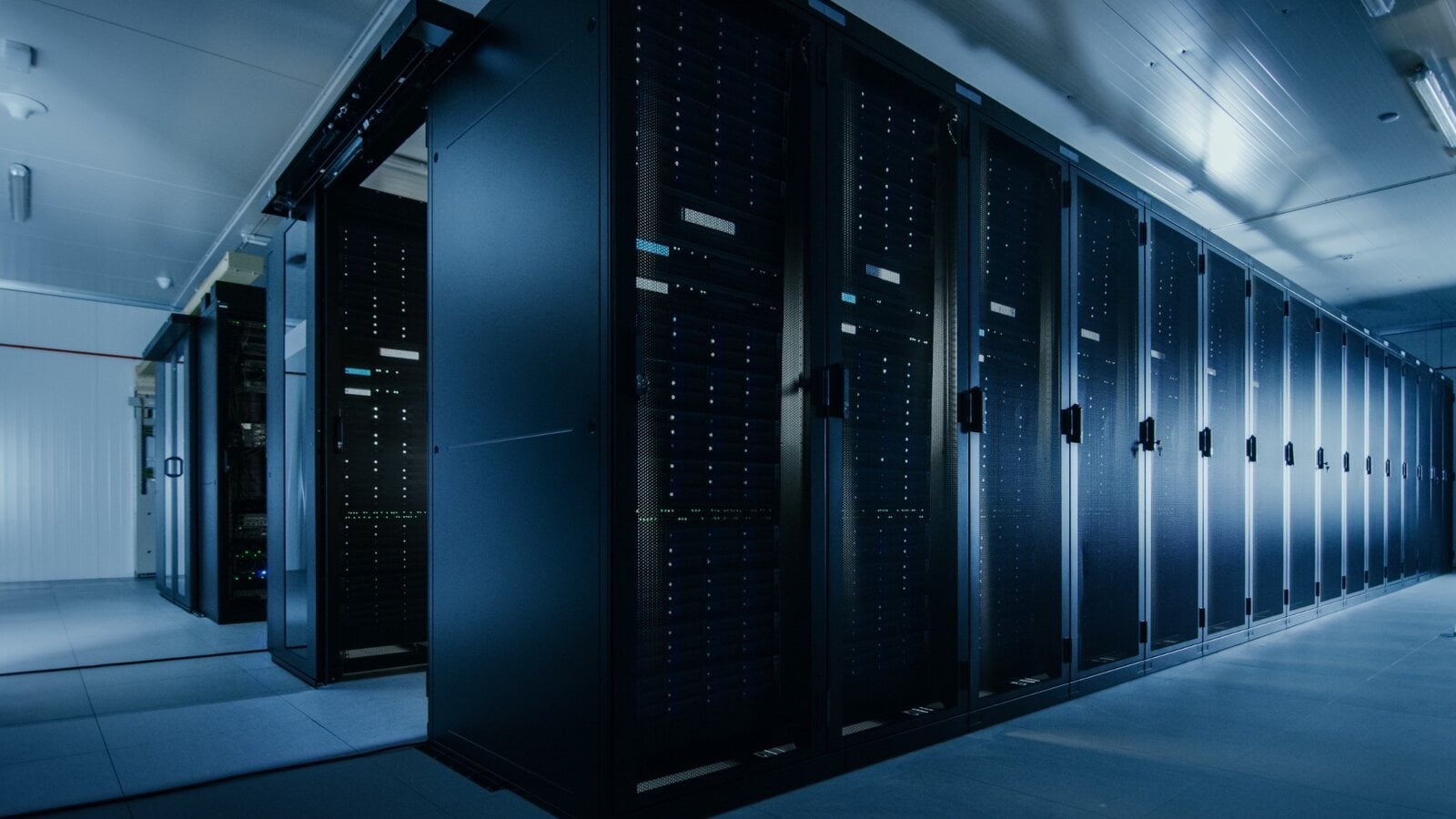
A data center refresh is the process of evaluating, renewing, or replacing an organization's IT infrastructure, including compute, storage, networking, power, and cooling, to ensure it continues to meet future business requirements.A refresh often starts with a simple trigger: hardware is aging, a support contract is ending, capacity is tight, or renewal pricing no longer makes sense. Those are good reasons to start the conversation. They are not enough to finish it. They also may not leave as much time as they used to. Data center costs are rising, and demand tied to AI infrastructure is
A data center refresh is the process of evaluating, renewing, or replacing an organization's IT infrastructure, including compute, storage, networking, power, and cooling, to ensure it continues to meet future business requirements.A refresh often starts with a simple trigger: hardware is aging, a support contract is ending, capacity is tight, or renewal pricing no longer makes sense. Those are good reasons to start the conversation. They are not enough to finish it. They also may not leave as much time as they used to. Data center costs are rising, and demand tied to AI infrastructure is putting pressure on equipment availability, skilled labor, power, cooling, and project timelines. Some lead times now stretch months, and pricing can change quickly. If your last refresh set your cost expectations, do not assume this one will look the same. A refresh should answer a bigger question: Does the current environment still support the business with the resilience, recovery, performance, and security it needs? Use this checklist before renewing, replacing, or redesigning your infrastructure.
Read full post on blog.vectorusa.com

Social Engineering in the Age of AI: Why Trust Now Needs Verification
In Part 2 of our Social Engineering series, we explored four practical ways organizations can reduce social engineering risk: cybersecurity awareness training, password management, email authenticity, and phone verification. Those fundamentals still apply, but as social engineering attacks increase in scale and sophistication, organizations must strengthen how they identify, verify, and respond to AI-enabled threats.
In Part 2 of our Social Engineering series, we explored four practical ways organizations can reduce social engineering risk: cybersecurity awareness training, password management, email authenticity, and phone verification. Those fundamentals still apply, but as social engineering attacks increase in scale and sophistication, organizations must strengthen how they identify, verify, and respond to AI-enabled threats.
Read full post on blog.vectorusa.com
What Should a SOC Actually Own?
Loading the Elevenlabs Text to Speech AudioNative Player... Most security teams do not need more alerts. They need fewer loose ends.Every SIEM, EDR, firewall, identity platform, and cloud tool has something to say. Some of it matters. Some of it is noise. Some of it becomes another ticket waiting for someone with the time, access, and context to chase it down.
Loading the Elevenlabs Text to Speech AudioNative Player... Most security teams do not need more alerts. They need fewer loose ends.Every SIEM, EDR, firewall, identity platform, and cloud tool has something to say. Some of it matters. Some of it is noise. Some of it becomes another ticket waiting for someone with the time, access, and context to chase it down.
Read full post on blog.vectorusa.com
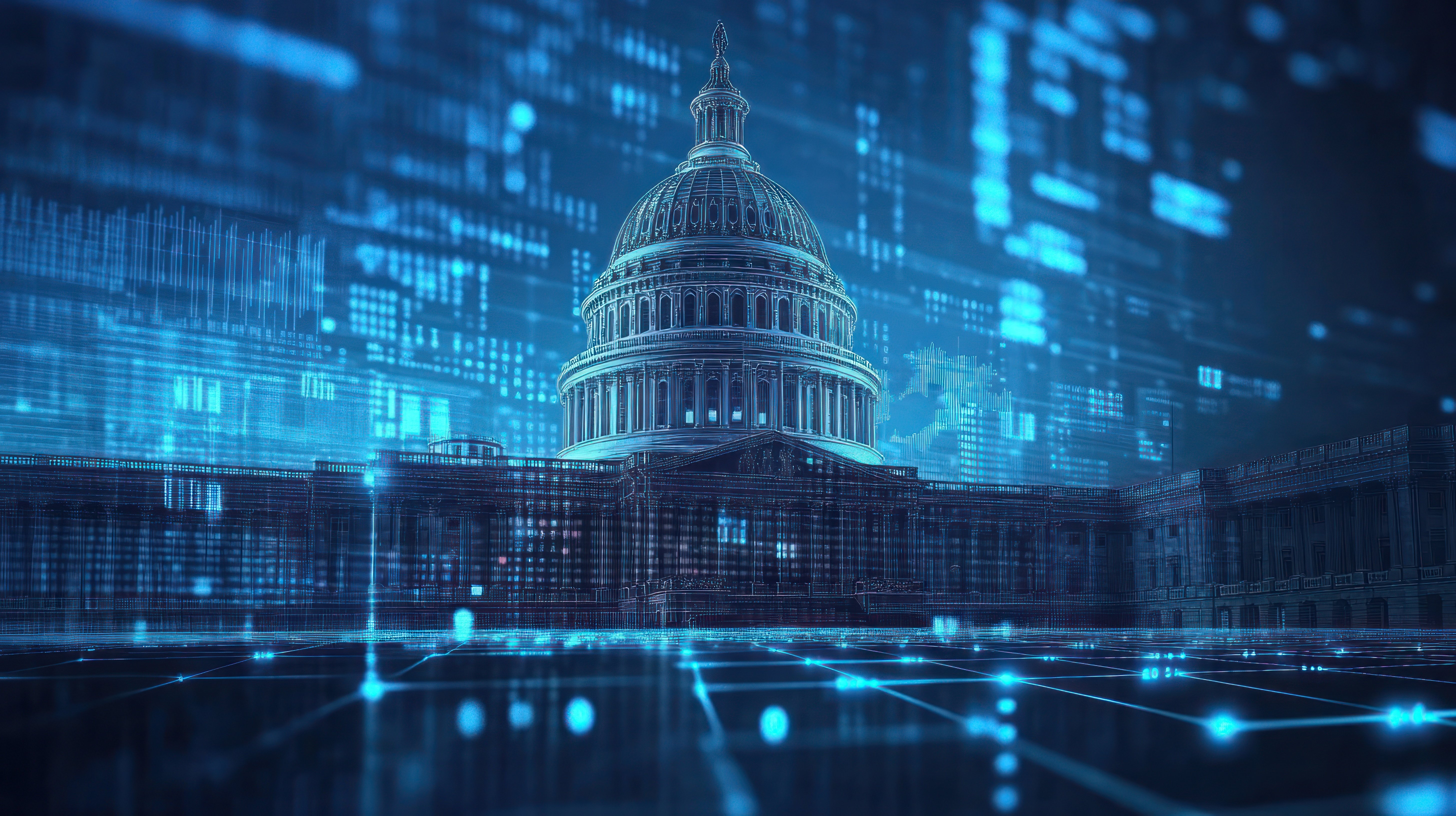
Cyber Resilience in the Public Sector: A Practical Framework for Safer, More Accountable Operations
Public sector organizations are under pressure from every direction. Modernize services. Protect citizen data. Meet compliance expectations. Respond faster when something goes sideways. Easy, right? Not exactly. For state and local agencies, cybersecurity has moved well beyond firewalls, antivirus, and annual check-the-box assessments. It is now tied directly to service continuity, public trust, funding requirements, audit readiness, and operational resilience. The question isn't, “Do we have enough cybersecurity tools?” but rather, “Are we actually using the tools to reduce risk?”
Public sector organizations are under pressure from every direction. Modernize services. Protect citizen data. Meet compliance expectations. Respond faster when something goes sideways. Easy, right? Not exactly. For state and local agencies, cybersecurity has moved well beyond firewalls, antivirus, and annual check-the-box assessments. It is now tied directly to service continuity, public trust, funding requirements, audit readiness, and operational resilience. The question isn't, “Do we have enough cybersecurity tools?” but rather, “Are we actually using the tools to reduce risk?”
Read full post on blog.vectorusa.com

What Counts as Real 24x7 SOC Coverage?
Many organizations believe they have 24x7 security monitoring because alerts are generated around the clock. Logs are being collected. A provider may be watching a queue. An internal team may receive after-hours notifications. But 24x7 monitoring is not always the same as 24x7 SOC coverage. The distinction matters because security operations are not defined by whether a tool can produce an alert at 2:00 a.m. They are defined by what happens after that alert appears. Who reviews it? What context do they have? Can they connect the signal to related activity across the environment? Do they kno
Many organizations believe they have 24x7 security monitoring because alerts are generated around the clock. Logs are being collected. A provider may be watching a queue. An internal team may receive after-hours notifications. But 24x7 monitoring is not always the same as 24x7 SOC coverage. The distinction matters because security operations are not defined by whether a tool can produce an alert at 2:00 a.m. They are defined by what happens after that alert appears. Who reviews it? What context do they have? Can they connect the signal to related activity across the environment? Do they know when to escalate? Is someone accountable for driving the next step? Is remediation tracked through closure? That is the gap between detection and response. Detection tells you something may be wrong. Response determines whether the organization can act on it in time. For IT and security leaders, the better question is not, “Do we have 24x7 monitoring?” It is, “Can a security event move from signal to decision to action at any hour?”
Read full post on blog.vectorusa.com

Why HIPAA Alerts Require a Different Approach
When a potential HIPAA-related alert reaches a Security Operations Center, it is not just another security notification in the queue. In healthcare environments, these alerts may indicate risk to protected health information (PHI), patient privacy, and regulatory compliance. The implications go beyond technical impact and extend into legal responsibility and patient trust. HIPAA alerts are often triggered by unusual access to electronic health records, unexpected movement of sensitive data, or abnormal user behavior within clinical systems. What makes them different is not only what they t
When a potential HIPAA-related alert reaches a Security Operations Center, it is not just another security notification in the queue. In healthcare environments, these alerts may indicate risk to protected health information (PHI), patient privacy, and regulatory compliance. The implications go beyond technical impact and extend into legal responsibility and patient trust. HIPAA alerts are often triggered by unusual access to electronic health records, unexpected movement of sensitive data, or abnormal user behavior within clinical systems. What makes them different is not only what they touch, but what is at stake. A delayed, incomplete, or poorly documented response can create downstream compliance exposure long after the technical issue is resolved. At VectorUSA, our Security Operations Center is designed with this reality in mind. From the outset, our processes recognize that healthcare incidents demand more than detection alone. HIPAA related alerts are handled through structured workflows that balance speed, accuracy, and accountability, ensuring both security teams and compliance stakeholders have the clarity they need when it matters most.
Read full post on blog.vectorusa.com

Enterprise-Grade SOC Services for Growing SMBs
Traditional SOC models assume customers have large security teams and large budgets. Most SMBs have neither. Full-scale Security Operations Centers, 24x7 monitoring, and advanced threat response often come with price tags and complexity that do not align with SMB realities. But the threat landscape has changed. Attackers no longer differentiate between enterprise and mid-market environments. Ransomware, credential abuse, and supply chain attacks target organizations based on opportunity rather than size. That gap between risk and resources is exactly why VectorUSA launched its Security Op
Traditional SOC models assume customers have large security teams and large budgets. Most SMBs have neither. Full-scale Security Operations Centers, 24x7 monitoring, and advanced threat response often come with price tags and complexity that do not align with SMB realities. But the threat landscape has changed. Attackers no longer differentiate between enterprise and mid-market environments. Ransomware, credential abuse, and supply chain attacks target organizations based on opportunity rather than size. That gap between risk and resources is exactly why VectorUSA launched its Security Operations Center.
Read full post on blog.vectorusa.com
Failed to load more articles
You're all caught up!
Check back later for more profile news.
We leverage technology to improve business outcomes.
No other IT service provider can perform with the speed, agility and responsiveness of VectorUSA.
We strive to improve our client’s efficiency, productivity, security and profitability through technology, while always putting friendly customer service first.
Our employees have an average of 17 years of industry experience, allowing us to work closely with our technology partners to provide customized IT solutions that solve your biggest fears and problems.
We work hard to maintain long-term relationships with our clients, confidently serving public and private K-16 schools, ports and terminals, hospitals, studios, large and small commercial enterprises, and state, local, and federal agencies.
Technology and business are inextricably linked. Let VectorUSA maximize your IT’s potential.
California K–12 Technology Buyer’s Guide: E-Rate, Funding Paths, and Refresh Planning
For school districts and libraries, maintaining reliable network infrastructure requires careful planning. Aging equipment, increasing connectivity demands, and limited budgets can make it difficult to prioritize improvements. The federal E-Rate program helps offset the cost of eligible internet access and network infrastructure. But taking full advantage of this funding requires more than identifying equipment that needs replacing. Applicants must understand eligibility requirements, procurement processes, and application deadlines while planning for long-term technology needs.
For school districts and libraries, maintaining reliable network infrastructure requires careful planning. Aging equipment, increasing connectivity demands, and limited budgets can make it difficult to prioritize improvements. The federal E-Rate program helps offset the cost of eligible internet access and network infrastructure. But taking full advantage of this funding requires more than identifying equipment that needs replacing. Applicants must understand eligibility requirements, procurement processes, and application deadlines while planning for long-term technology needs.
Read full post on blog.vectorusa.com
What Managed Services Should Include: A Practical Guide for IT Leaders
What is Managed IT Services? Managed IT services is an operating model in which an external provider takes ongoing responsibility for a defined set of a company’s technology support, monitoring, and maintenance needs. Unlike break-fix support, where a vendor only responds when something fails, managed services covers recurring work on a proactive schedule. The internal IT team keeps strategic control, while the provider takes on help desk volume, coverage needs, and monitoring gaps the team cannot reliably staff on its own. VectorUSA delivers managed IT services designed around the actual op
What is Managed IT Services? Managed IT services is an operating model in which an external provider takes ongoing responsibility for a defined set of a company’s technology support, monitoring, and maintenance needs. Unlike break-fix support, where a vendor only responds when something fails, managed services covers recurring work on a proactive schedule. The internal IT team keeps strategic control, while the provider takes on help desk volume, coverage needs, and monitoring gaps the team cannot reliably staff on its own. VectorUSA delivers managed IT services designed around the actual operating needs of lean IT teams, not a generic ticket queue.
Read full post on blog.vectorusa.com
Why Cybersecurity Is Not Just a Tools Problem
Many organizations are not short on cybersecurity tools. They are short on clear decisions.Endpoint tools flag risky devices. Email tools catch suspicious messages. Firewalls surface unusual traffic. Identity platforms show access gaps. Scanners find exposed systems. Dashboards keep adding alerts.More signals do not always create more progress. Leaders still need to know what matters, who owns the fix, and how to prove risk is going down.That is why cybersecurity is not just a tool stack problem. A stronger cybersecurity strategy starts with risk, visibility, ownership, and response.
Many organizations are not short on cybersecurity tools. They are short on clear decisions.Endpoint tools flag risky devices. Email tools catch suspicious messages. Firewalls surface unusual traffic. Identity platforms show access gaps. Scanners find exposed systems. Dashboards keep adding alerts.More signals do not always create more progress. Leaders still need to know what matters, who owns the fix, and how to prove risk is going down.That is why cybersecurity is not just a tool stack problem. A stronger cybersecurity strategy starts with risk, visibility, ownership, and response.
Read full post on blog.vectorusa.com
Data Center Checklist: 6 Questions to Ask Before Your Next Data Center Refresh
A data center refresh is the process of evaluating, renewing, or replacing an organization's IT infrastructure, including compute, storage, networking, power, and cooling, to ensure it continues to meet future business requirements.A refresh often starts with a simple trigger: hardware is aging, a support contract is ending, capacity is tight, or renewal pricing no longer makes sense. Those are good reasons to start the conversation. They are not enough to finish it. They also may not leave as much time as they used to. Data center costs are rising, and demand tied to AI infrastructure is
A data center refresh is the process of evaluating, renewing, or replacing an organization's IT infrastructure, including compute, storage, networking, power, and cooling, to ensure it continues to meet future business requirements.A refresh often starts with a simple trigger: hardware is aging, a support contract is ending, capacity is tight, or renewal pricing no longer makes sense. Those are good reasons to start the conversation. They are not enough to finish it. They also may not leave as much time as they used to. Data center costs are rising, and demand tied to AI infrastructure is putting pressure on equipment availability, skilled labor, power, cooling, and project timelines. Some lead times now stretch months, and pricing can change quickly. If your last refresh set your cost expectations, do not assume this one will look the same. A refresh should answer a bigger question: Does the current environment still support the business with the resilience, recovery, performance, and security it needs? Use this checklist before renewing, replacing, or redesigning your infrastructure.
Read full post on blog.vectorusa.com
Social Engineering in the Age of AI: Why Trust Now Needs Verification
In Part 2 of our Social Engineering series, we explored four practical ways organizations can reduce social engineering risk: cybersecurity awareness training, password management, email authenticity, and phone verification. Those fundamentals still apply, but as social engineering attacks increase in scale and sophistication, organizations must strengthen how they identify, verify, and respond to AI-enabled threats.
In Part 2 of our Social Engineering series, we explored four practical ways organizations can reduce social engineering risk: cybersecurity awareness training, password management, email authenticity, and phone verification. Those fundamentals still apply, but as social engineering attacks increase in scale and sophistication, organizations must strengthen how they identify, verify, and respond to AI-enabled threats.
Read full post on blog.vectorusa.com
What Should a SOC Actually Own?
Loading the Elevenlabs Text to Speech AudioNative Player... Most security teams do not need more alerts. They need fewer loose ends.Every SIEM, EDR, firewall, identity platform, and cloud tool has something to say. Some of it matters. Some of it is noise. Some of it becomes another ticket waiting for someone with the time, access, and context to chase it down.
Loading the Elevenlabs Text to Speech AudioNative Player... Most security teams do not need more alerts. They need fewer loose ends.Every SIEM, EDR, firewall, identity platform, and cloud tool has something to say. Some of it matters. Some of it is noise. Some of it becomes another ticket waiting for someone with the time, access, and context to chase it down.
Read full post on blog.vectorusa.com
Cyber Resilience in the Public Sector: A Practical Framework for Safer, More Accountable Operations
Public sector organizations are under pressure from every direction. Modernize services. Protect citizen data. Meet compliance expectations. Respond faster when something goes sideways. Easy, right? Not exactly. For state and local agencies, cybersecurity has moved well beyond firewalls, antivirus, and annual check-the-box assessments. It is now tied directly to service continuity, public trust, funding requirements, audit readiness, and operational resilience. The question isn't, “Do we have enough cybersecurity tools?” but rather, “Are we actually using the tools to reduce risk?”
Public sector organizations are under pressure from every direction. Modernize services. Protect citizen data. Meet compliance expectations. Respond faster when something goes sideways. Easy, right? Not exactly. For state and local agencies, cybersecurity has moved well beyond firewalls, antivirus, and annual check-the-box assessments. It is now tied directly to service continuity, public trust, funding requirements, audit readiness, and operational resilience. The question isn't, “Do we have enough cybersecurity tools?” but rather, “Are we actually using the tools to reduce risk?”
Read full post on blog.vectorusa.com
What Counts as Real 24x7 SOC Coverage?
Many organizations believe they have 24x7 security monitoring because alerts are generated around the clock. Logs are being collected. A provider may be watching a queue. An internal team may receive after-hours notifications. But 24x7 monitoring is not always the same as 24x7 SOC coverage. The distinction matters because security operations are not defined by whether a tool can produce an alert at 2:00 a.m. They are defined by what happens after that alert appears. Who reviews it? What context do they have? Can they connect the signal to related activity across the environment? Do they kno
Many organizations believe they have 24x7 security monitoring because alerts are generated around the clock. Logs are being collected. A provider may be watching a queue. An internal team may receive after-hours notifications. But 24x7 monitoring is not always the same as 24x7 SOC coverage. The distinction matters because security operations are not defined by whether a tool can produce an alert at 2:00 a.m. They are defined by what happens after that alert appears. Who reviews it? What context do they have? Can they connect the signal to related activity across the environment? Do they know when to escalate? Is someone accountable for driving the next step? Is remediation tracked through closure? That is the gap between detection and response. Detection tells you something may be wrong. Response determines whether the organization can act on it in time. For IT and security leaders, the better question is not, “Do we have 24x7 monitoring?” It is, “Can a security event move from signal to decision to action at any hour?”
Read full post on blog.vectorusa.com
Why HIPAA Alerts Require a Different Approach
When a potential HIPAA-related alert reaches a Security Operations Center, it is not just another security notification in the queue. In healthcare environments, these alerts may indicate risk to protected health information (PHI), patient privacy, and regulatory compliance. The implications go beyond technical impact and extend into legal responsibility and patient trust. HIPAA alerts are often triggered by unusual access to electronic health records, unexpected movement of sensitive data, or abnormal user behavior within clinical systems. What makes them different is not only what they t
When a potential HIPAA-related alert reaches a Security Operations Center, it is not just another security notification in the queue. In healthcare environments, these alerts may indicate risk to protected health information (PHI), patient privacy, and regulatory compliance. The implications go beyond technical impact and extend into legal responsibility and patient trust. HIPAA alerts are often triggered by unusual access to electronic health records, unexpected movement of sensitive data, or abnormal user behavior within clinical systems. What makes them different is not only what they touch, but what is at stake. A delayed, incomplete, or poorly documented response can create downstream compliance exposure long after the technical issue is resolved. At VectorUSA, our Security Operations Center is designed with this reality in mind. From the outset, our processes recognize that healthcare incidents demand more than detection alone. HIPAA related alerts are handled through structured workflows that balance speed, accuracy, and accountability, ensuring both security teams and compliance stakeholders have the clarity they need when it matters most.
Read full post on blog.vectorusa.com
Enterprise-Grade SOC Services for Growing SMBs
Traditional SOC models assume customers have large security teams and large budgets. Most SMBs have neither. Full-scale Security Operations Centers, 24x7 monitoring, and advanced threat response often come with price tags and complexity that do not align with SMB realities. But the threat landscape has changed. Attackers no longer differentiate between enterprise and mid-market environments. Ransomware, credential abuse, and supply chain attacks target organizations based on opportunity rather than size. That gap between risk and resources is exactly why VectorUSA launched its Security Op
Traditional SOC models assume customers have large security teams and large budgets. Most SMBs have neither. Full-scale Security Operations Centers, 24x7 monitoring, and advanced threat response often come with price tags and complexity that do not align with SMB realities. But the threat landscape has changed. Attackers no longer differentiate between enterprise and mid-market environments. Ransomware, credential abuse, and supply chain attacks target organizations based on opportunity rather than size. That gap between risk and resources is exactly why VectorUSA launched its Security Operations Center.
Read full post on blog.vectorusa.com
Failed to load more articles
You're all caught up!
Check back later for more profile news.