CTI Technology
We make IT Happen.
Searching the MSPdatabase...
No results found for ""
Try a different company name or location
Discover leading Managed IT Service Providers across USA, Canada & the United Kingdom.
CMMC 2.0 requirements limit what a POA&M can defer. See which gaps must close before assessment and how San Diego contractors stay ready.
CMMC 2.0 requirements limit what a POA&M can defer. See which gaps must close before assessment and how San Diego contractors stay ready.
Read full post on fitsolutions.biz

Discover why cheap DIY page builders tank B2B conversion rates. Learn how custom web design delivers measurable growth for your business.
Discover why cheap DIY page builders tank B2B conversion rates. Learn how custom web design delivers measurable growth for your business.
Read full post on mytekrescue.com
A few articles back, we met an office manager at a growing service business who found an AI scheduling assistant,
A few articles back, we met an office manager at a growing service business who found an AI scheduling assistant,
Read full post on npi.net
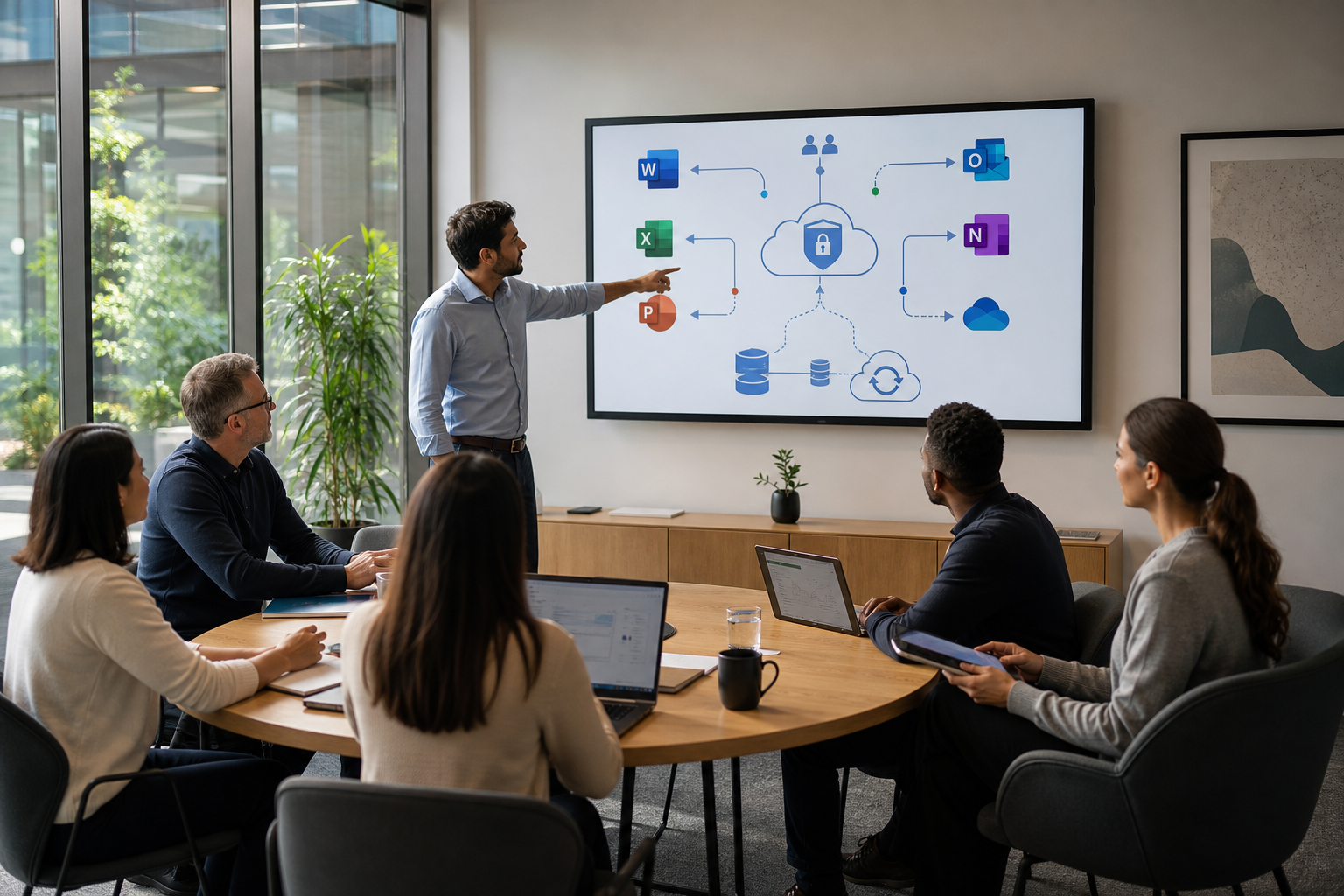
The Hidden Business Risk Inside Every Microsoft 365 Environment For many organizations, Microsoft 365 has become part of the foundation of everyday business.
The Hidden Business Risk Inside Every Microsoft 365 Environment For many organizations, Microsoft 365 has become part of the foundation of everyday business.
Read full post on oxen.tech

Editor's note: This post was originally published on November 17, 2020, and has been revised for clarity and comprehensiveness.
Editor's note: This post was originally published on November 17, 2020, and has been revised for clarity and comprehensiveness.
Read full post on itsasap.com
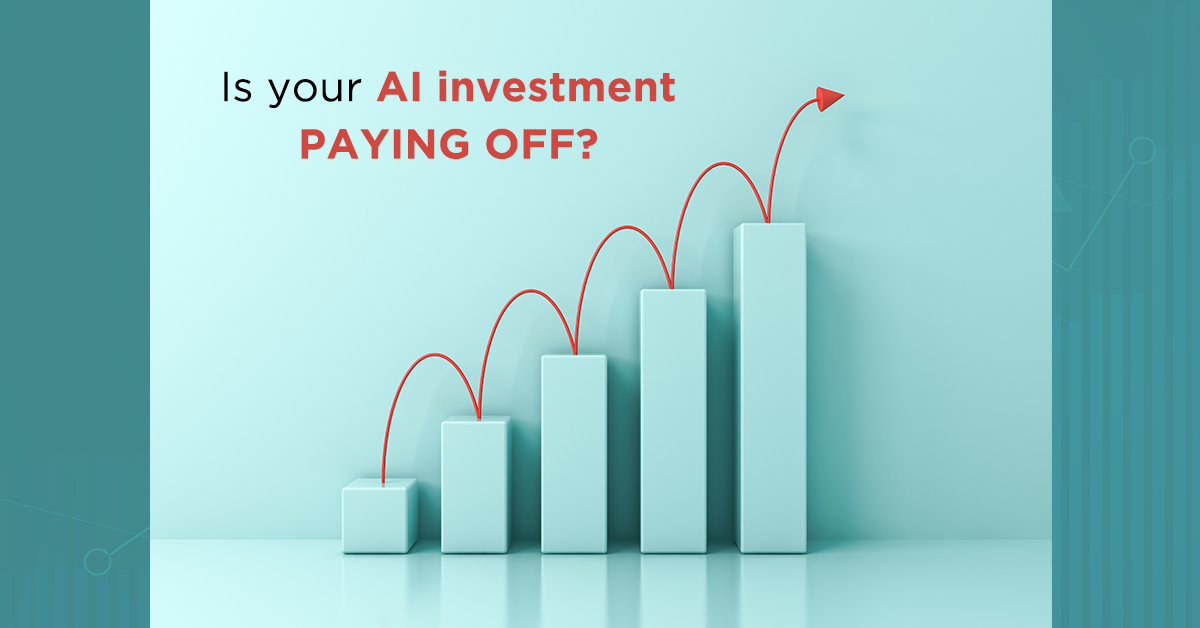
Time saved on a task doesn't always turn into money saved. Here's how I'd judge AI ROI for small businesses, using three plain questions about each tool.
Time saved on a task doesn't always turn into money saved. Here's how I'd judge AI ROI for small businesses, using three plain questions about each tool.
Read full post on skysailtechnologies.com
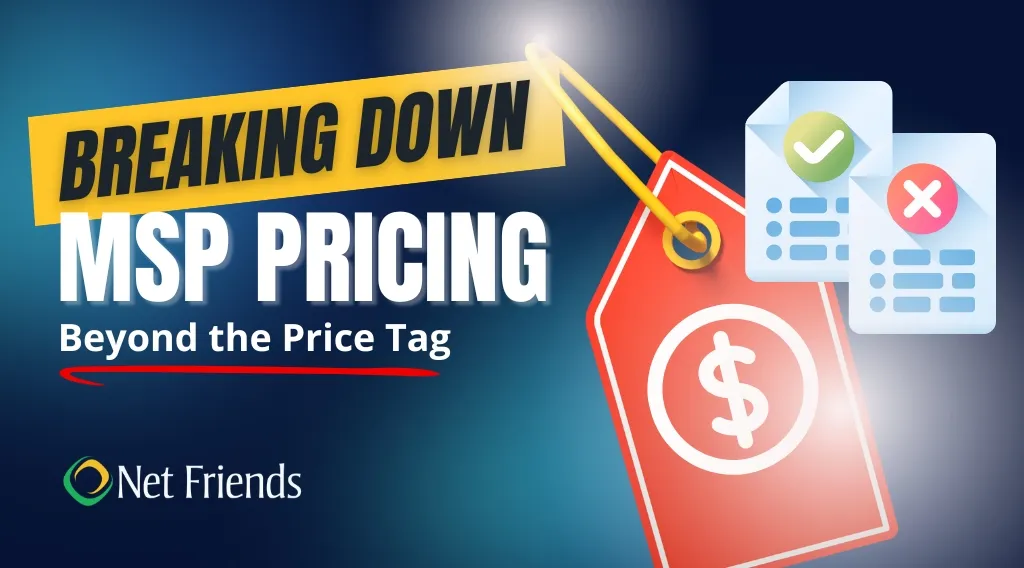
Limited IT budgets are a common hurdle for small businesses, but reliable IT is crucial for success.
Limited IT budgets are a common hurdle for small businesses, but reliable IT is crucial for success.
Read full post on netfriends.com

At 7:40 on a Monday morning, the office manager at a 40-person architecture firm in Dallas opens a project folder on the shared server and finds that none of the files will open. Every filename now ends in an unfamiliar extension, and a text file in the folder explains that the firm's data has been encrypted. A set of construction documents is due to a client on Friday. The firm is fictional, but the situation is realistic. Ransomware, compromised email accounts, and fraudulent payment requests affect businesses of every size, and they rarely announce themselves clearly. It might start with a
At 7:40 on a Monday morning, the office manager at a 40-person architecture firm in Dallas opens a project folder on the shared server and finds that none of the files will open. Every filename now ends in an unfamiliar extension, and a text file in the folder explains that the firm's data has been encrypted. A set of construction documents is due to a client on Friday. The firm is fictional, but the situation is realistic. Ransomware, compromised email accounts, and fraudulent payment requests affect businesses of every size, and they rarely announce themselves clearly. It might start with an employee who can't open files, a client asking about an unusual email from your company, or an accounting transaction no one recognizes. What happens over the next 24 hours can influence how far an attack spreads, how quickly the business recovers, and how much disruption it experiences. Business leaders don't need to become cybersecurity experts overnight. They need to know who to call, what to leave alone, and which decisions require their attention. Here's how that first day should unfold.
Read full post on blog.mentis-group.com

Your newest hire walks in Monday at 8:30. By Friday afternoon, they have formed an opinion about your company that no welcome lunch will change. They did not get that opinion from the handbook or the culture slide in the orientation deck. They got it from the laptop, the logins, and the hour they spent
Your newest hire walks in Monday at 8:30. By Friday afternoon, they have formed an opinion about your company that no welcome lunch will change. They did not get that opinion from the handbook or the culture slide in the orientation deck. They got it from the laptop, the logins, and the hour they spent
Read full post on stringfellow.com

QR code phishing attacks more than doubled in the first three months of 2026, and the links hidden inside those codes are increasingly landing in business inboxes. If your staff scan a QR code from an email, invoice, or flyer without checking where it leads, you could hand over a username and password without ever
QR code phishing attacks more than doubled in the first three months of 2026, and the links hidden inside those codes are increasingly landing in business inboxes. If your staff scan a QR code from an email, invoice, or flyer without checking where it leads, you could hand over a username and password without ever
Read full post on bostonmit.com



Learn how to plan a nonprofit IT budget, estimate annual technology costs, reduce unnecessary spending, and prepare for equipment and software expenses.
Learn how to plan a nonprofit IT budget, estimate annual technology costs, reduce unnecessary spending, and prepare for equipment and software expenses.
Read full post on securenetworksitc.comReimagine IT in the Cloud: Cybersecurity, IT Management, Local Service

Fully managed IT support for a Houston real estate firm typically costs between $125 and ... Learn More
Fully managed IT support for a Houston real estate firm typically costs between $125 and ... Learn More
Read full post on uprite.com
Switching IT providers without downtime: check your contract, secure your admin accounts, plan an overlap and know what the first 30 days should inclu...

Switching IT providers without downtime: check your contract, secure your admin accounts, plan an overlap and know what the first 30 days should include.
Switching IT providers without downtime: check your contract, secure your admin accounts, plan an overlap and know what the first 30 days should include.
Read full post on pegasustechnologies.com

Consider a scenario in which an ...
A surprising amount of paper gets printed for just one reason: to save a physical copy or sign a document, only to immediately be scanned right back i...
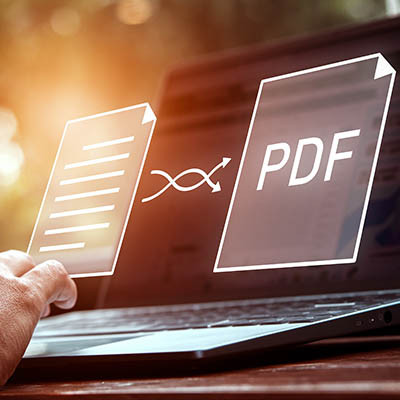
A surprising amount of paper gets printed for just one reason: to save a physical copy or sign a document, only to immediately be scanned right back into digital format.If you’re stuck in this wasteful "print-and-scan" loop, a much faster, cleaner solution is already built into your computer: printing to PDF.
A surprising amount of paper gets printed for just one reason: to save a physical copy or sign a document, only to immediately be scanned right back into digital format.If you’re stuck in this wasteful "print-and-scan" loop, a much faster, cleaner solution is already built into your computer: printing to PDF.
Read full post on coretechllc.comDirect Answer: Managed EDR puts detection software on every device and a monitoring team behind it. Before you buy, confirm partner tier, after-hours...
Direct Answer: Managed EDR puts detection software on every device and a monitoring team behind it. Before you buy, confirm partner tier, after-hours response, your real device count, and the rollout plan. Someone handed you a directive: get EDR on every machine. Maybe it came from your insurance carrier, a grant condition, or a board
Direct Answer: Managed EDR puts detection software on every device and a monitoring team behind it. Before you buy, confirm partner tier, after-hours response, your real device count, and the rollout plan. Someone handed you a directive: get EDR on every machine. Maybe it came from your insurance carrier, a grant condition, or a board
Read full post on adaptiveis.net

Summary: Your IT budget should include the technology you already use, the support required to maintain it, and the upgrades you expect to make during...

Summary: Your IT budget should include the technology you already use, the support required to maintain it, and the upgrades you expect to make during the year. It should also cover cybersecurity, backups, employee changes, planned projects, and a reserve for urgent repairs or replacements. If your IT budget only covers computers, Microsoft 365, and
Summary: Your IT budget should include the technology you already use, the support required to maintain it, and the upgrades you expect to make during the year. It should also cover cybersecurity, backups, employee changes, planned projects, and a reserve for urgent repairs or replacements. If your IT budget only covers computers, Microsoft 365, and
Read full post on rj-pro.net

AI change management for small businesses: how to pick one problem, earn staff trust, set security rules and measure results before you scale any AI tool.
AI change management for small businesses: how to pick one problem, earn staff trust, set security rules and measure results before you scale any AI tool.
Read full post on mytekrescue.com
This endpoint security management guide helps Southwest Florida businesses protect devices, limit disruption, and keep daily operations moving securel...
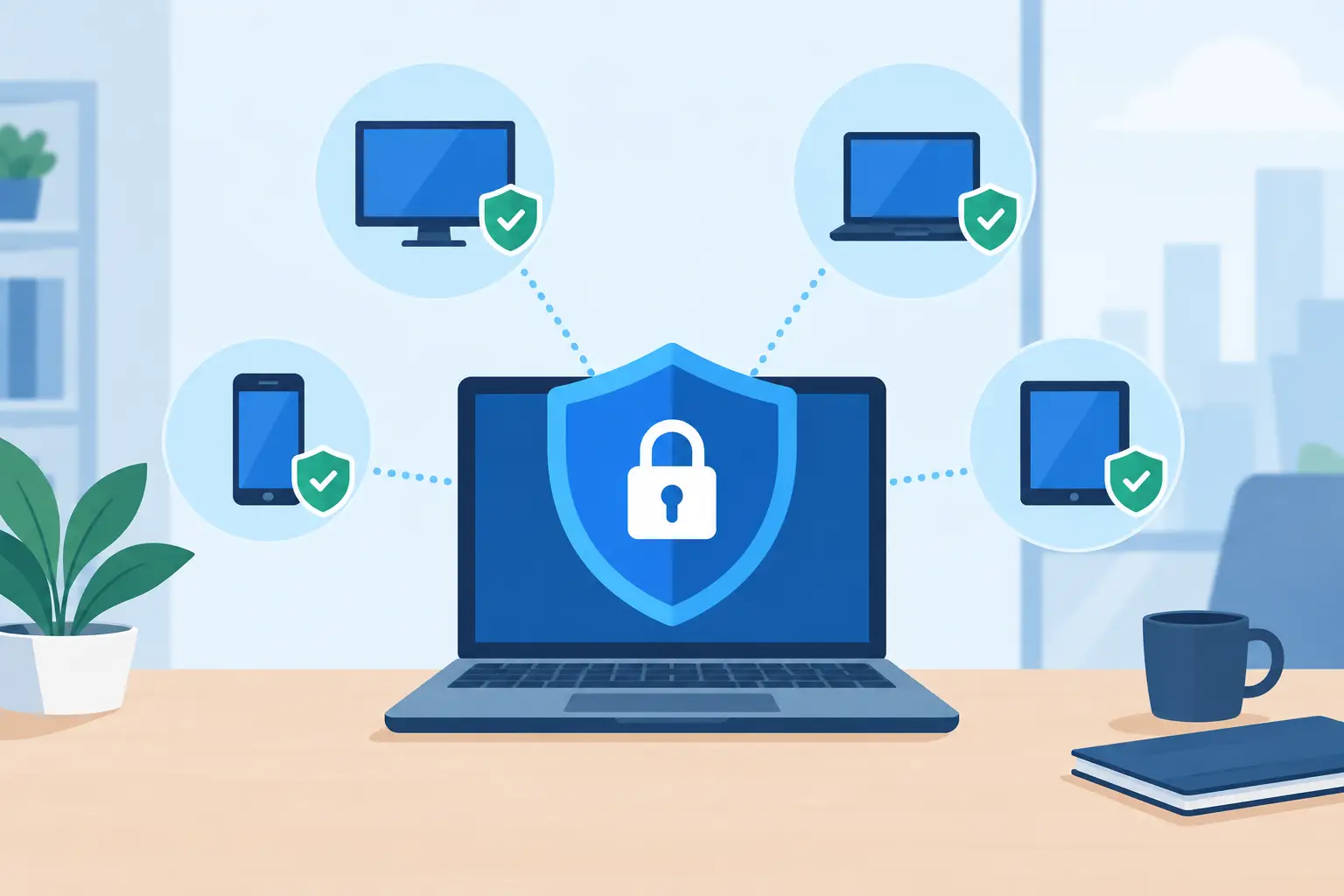
This endpoint security management guide helps Southwest Florida businesses protect devices, limit disruption, and keep daily operations moving securely.
This endpoint security management guide helps Southwest Florida businesses protect devices, limit disruption, and keep daily operations moving securely.
Read full post on priscanova.com

An accounting firm can lose valuable working time without experiencing a major technology failure. A tax application that refuses to open, a missing client document, or an email account that suddenly stops working can interrupt several employees at once. During tax season, these problems can put additional pressure on deadlines and client communication. For accounting
An accounting firm can lose valuable working time without experiencing a major technology failure. A tax application that refuses to open, a missing client document, or an email account that suddenly stops working can interrupt several employees at once. During tax season, these problems can put additional pressure on deadlines and client communication. For accounting
Read full post on rj-pro.net
To test business recovery, restore a selected business task in an isolated environment and have an authorized user complete it. Include the accounts,...
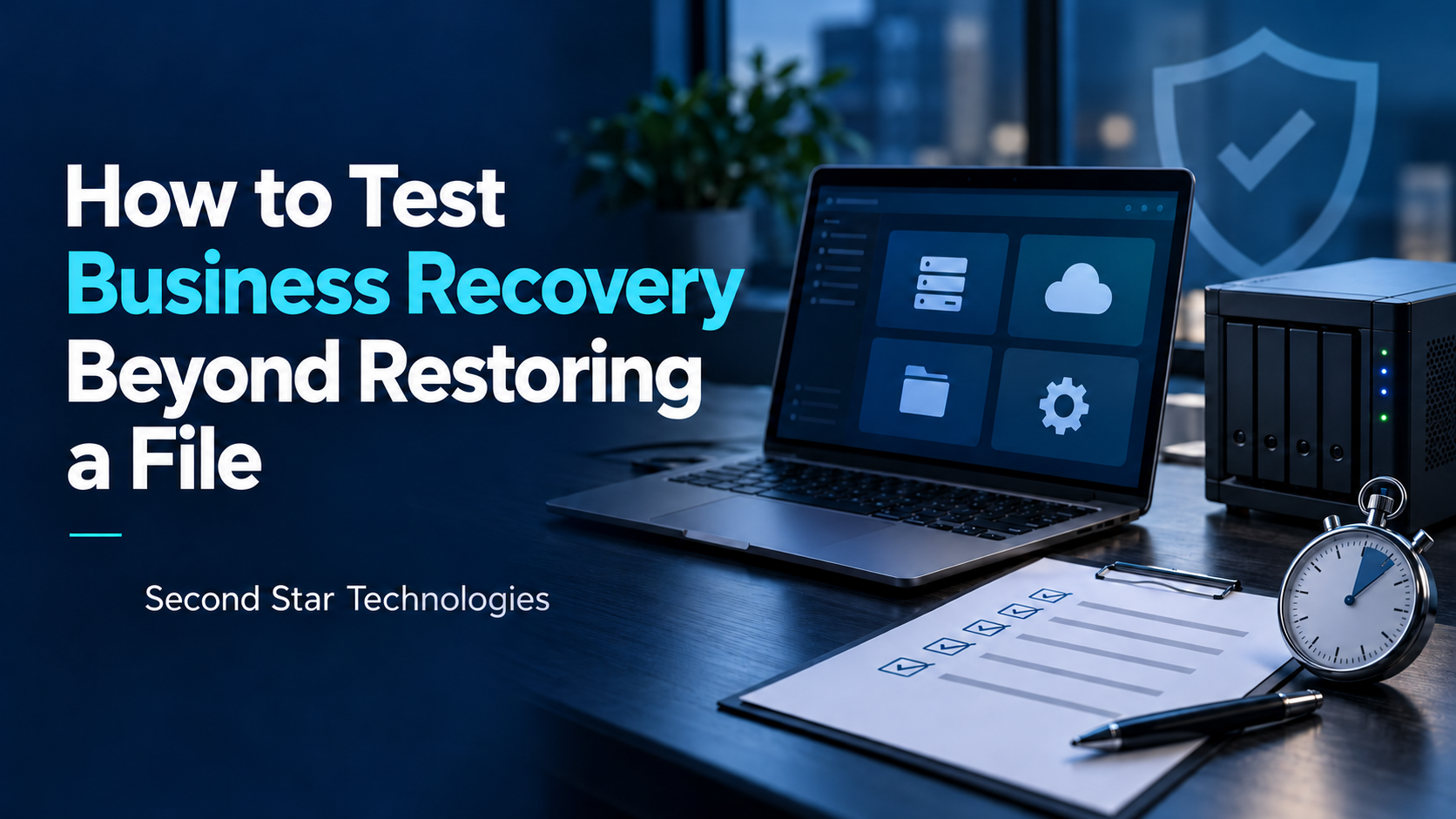
To test business recovery, restore a selected business task in an isolated environment and have an authorized user complete it. Include the accounts, network services, applications and data that task needs. Check the restored environment before considering any return to production. Record the time taken, the data point recovered and the gaps that need another test.
To test business recovery, restore a selected business task in an isolated environment and have an authorized user complete it. Include the accounts, network services, applications and data that task needs. Check the restored environment before considering any return to production. Record the time taken, the data point recovered and the gaps that need another test.
Read full post on secondstartechnologies.com

Strong. Trusted. Simple. Technology for Your Business.
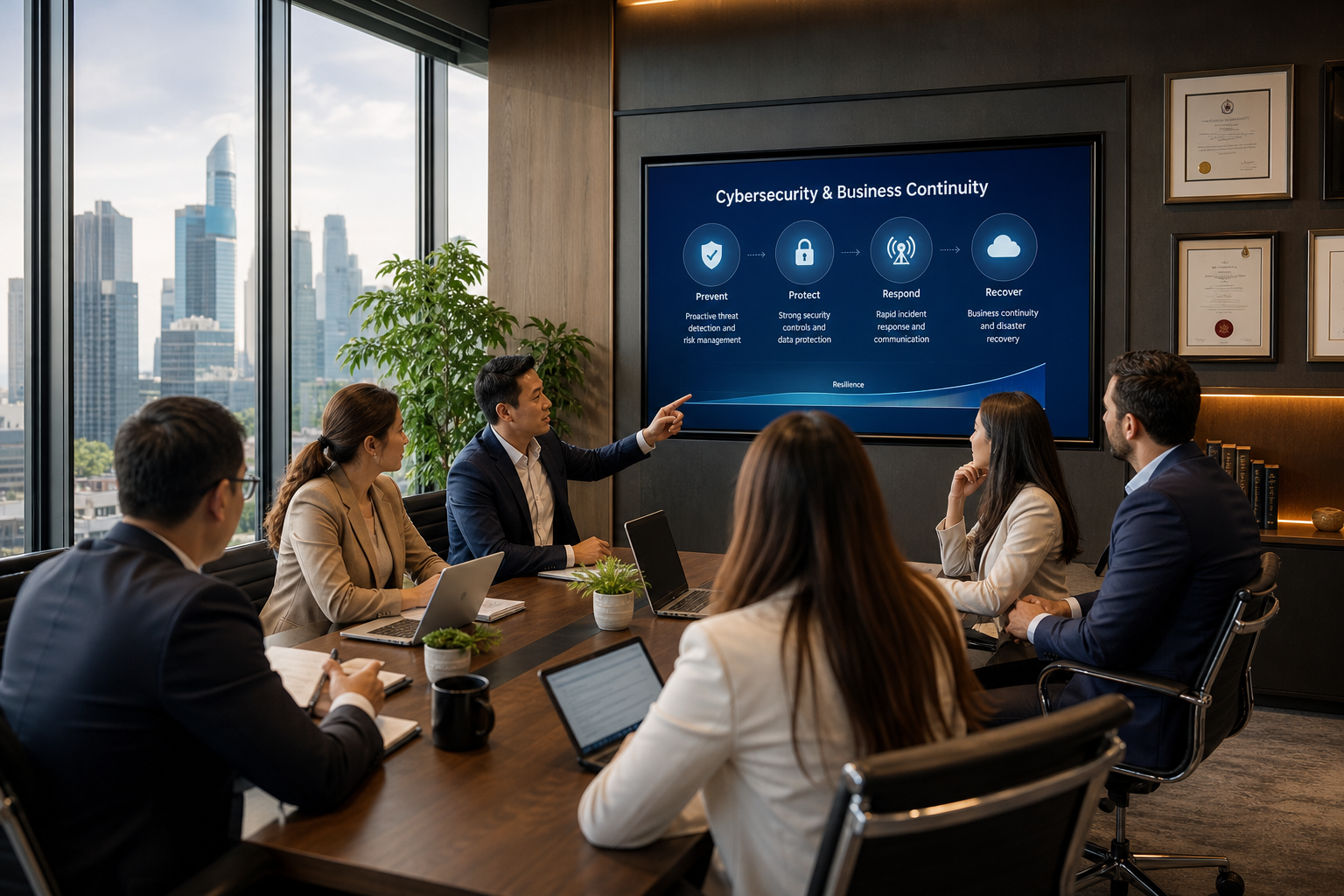
Firewall Security Is About Business Continuity, Not Technology When executive teams discuss business continuity, the conversation often centers around disaster recovery, data backups, insurance coverage, staffing, supply chains, and operational planning.
Firewall Security Is About Business Continuity, Not Technology When executive teams discuss business continuity, the conversation often centers around disaster recovery, data backups, insurance coverage, staffing, supply chains, and operational planning.
Read full post on oxen.tech

Build a data retention policy your small business can follow: retention periods for HIPAA, IRS and SEC records, secure destruction steps, and a simple schedule.
Build a data retention policy your small business can follow: retention periods for HIPAA, IRS and SEC records, secure destruction steps, and a simple schedule.
Read full post on mytekrescue.com
Most managed service providers talk about fast support. Very few publish the numbers to prove it. If you run operations across multiple locations, that gap between talk and proof is where your downtime lives. This is why published support metrics are a invaluable resource in picking your MSP. You have probably reviewed MSP websites loaded
Most managed service providers talk about fast support. Very few publish the numbers to prove it. If you run operations across multiple locations, that gap between talk and proof is where your downtime lives. This is why published support metrics are a invaluable resource in picking your MSP. You have probably reviewed MSP websites loaded
Read full post on wheelhouseit.com

Email remains one of the most important communication tools for businesses, but even legitimate messages do not always reach the inbox. A customer may report
Email remains one of the most important communication tools for businesses, but even legitimate messages do not always reach the inbox. A customer may report
Read full post on pc-net.com


Do you know which applications your staff use already include AI? Does approving a donor management platform also mean approving its AI features? Who decides what donor and constituent information those features can access? When nonprofit leaders think ...
Do you know which applications your staff use already include AI? Does approving a donor management platform also mean approving its AI features? Who decides what donor and constituent information those features can access? When nonprofit leaders think ...
Read full post on truadvantage.com

By Bill Ledebuhr, Director of Operations, Fantastic IT · October 23, 2026 Before you choose a managed IT provider for your medical practice, get clear answers to five questions: who can access your systems, whether your backups have been tested, who answers when the EHR (electronic health record) goes down, who owns each task between
By Bill Ledebuhr, Director of Operations, Fantastic IT · October 23, 2026 Before you choose a managed IT provider for your medical practice, get clear answers to five questions: who can access your systems, whether your backups have been tested, who answers when the EHR (electronic health record) goes down, who owns each task between
Read full post on fantasticit.com


We use the internet every day without giving much thought to what keeps our communications secure. We visit websites, sign into business applications, exchange sensitive data, and trust the lock icon in our browsers. Behind these everyday actions is an interconnected system of software, encryption, digital certificates, and trust. Recent security events involving critical PHP vulnerabilities and a certificate authority incident involving eMudhra serve as timely reminders of what can happen when weaknesses emerge within these foundational technologies. The incidents are unrelated, but the
We use the internet every day without giving much thought to what keeps our communications secure. We visit websites, sign into business applications, exchange sensitive data, and trust the lock icon in our browsers. Behind these everyday actions is an interconnected system of software, encryption, digital certificates, and trust. Recent security events involving critical PHP vulnerabilities and a certificate authority incident involving eMudhra serve as timely reminders of what can happen when weaknesses emerge within these foundational technologies. The incidents are unrelated, but they reinforce the same message: Cybersecurity isn’t only about stopping an attacker from getting in. It’s about continuously understanding, monitoring, and protecting the layers of technology your organization depends on. PHP2Shell: A Threat to Web Infrastructure On October 21, emergency patches were issued for two critical PHP vulnerabilities, CVE-2026-109618 and CVE-2026-109619, both carrying a CVSS 4.0 score of 9.2. The vulnerabilities can enable unauthenticated remote code execution, potentially allowing an attacker to execute commands on a vulnerable web server without first authenticating. The risk is particularly significant because the vulnerabilities exist at the PHP runtime level. Potentially affected environments include PHP installations handling web requests through PHP-FPM, Apache mod_php, php-cgi, FrankenPHP, and LiteSpeed. Patched releases include PHP 8.2.35, 8.3.36, 8.4.27, and 8.5.12. Organizations running PHP 8.1 or earlier warrant additional attention because those branches are no longer receiving normal upstream security releases. For businesses, however, the challenge goes beyond knowing a patch exists. The bigger question is whether you know where PHP exists in your environment. PHP may be supporting an e-commerce site, customer portal, legacy application, container, or appliance without being immediately visible to the teams responsible for security. That makes accurate asset inventory and continuous vulnerability management just as important as the patch itself. When the Technology That Creates Trust Becomes the Threat A separate security incident involving certificate authority eMudhra highlights another type of foundational risk. TLS certificates help establish encrypted connections and verify that users are connecting to the intended service. Certificate authorities sit at the center of that trust model. Private keys associated with eight eMudhra intermediate certificate authorities were found to have been generated using severely inadequate cryptographic values. Six were associated with TLS certificates and two with code signing. The weakness meant the corresponding private keys could effectively be recovered using information contained in the public certificates, potentially allowing an attacker to generate fraudulent certificates that appeared to have been signed by a trusted certificate authority. The affected certificates were subsequently retracted or distrusted, but the incident highlights a broader challenge. Systems that do not benefit from modern browser-based revocation mechanisms, including some containers, Linux systems, embedded devices, IoT environments, developer tools, and applications using independent trust stores, may require additional remediation. Importantly, there is currently no public indication that the affected eMudhra keys were maliciously exploited. Two Vulnerabilities, One Message At first glance, a PHP vulnerability and a cryptographic weakness involving a certificate authority have little in common. From a cybersecurity perspective, however, they expose the same reality: Your organization does not control every technology it relies on. Security isn't defined solely by your firewall, endpoint protection, or password policies. It also depends on operating systems, programming languages, cloud and hosting providers, certificate authorities, open-source components, third-party applications, software vendors, and countless dependencies operating behind the scenes. As Kodi Oshiro, SOC Manager at Datalink Networks, explains: “Organizations can’t control when the next critical vulnerability is discovered. They can control how prepared they are to identify their exposure, respond quickly, and reduce risk.” Kodi Oshiro, SOC Manager, Datalink Networks That preparedness is what separates a newly disclosed vulnerability from a potential business crisis. What Organizations Should Be Doing Modern cybersecurity requires organizations to continuously: Identify internet-facing assets and understand the technologies supporting them. Monitor and triage new vulnerability disclosures as they emerge. Prioritize vulnerabilities based on actual organizational exposure and risk. Patch, mitigate, or isolate vulnerable systems quickly. Monitor endpoints, servers, and networks for indicators of compromise. Keep operating systems, browsers, applications, containers, and trust stores current. Understand certificate and PKI dependencies across the environment. Maintain an incident response plan before a critical vulnerability becomes an active security incident. In short, security is a process, not a product. For organizations without a dedicated security team, the constant stream of vulnerabilities can feel overwhelming. But the takeaway from incidents like these shouldn't be fear. It should be preparedness. You cannot prevent the next critical vulnerability from being discovered. You cannot control every software vendor, open-source project, or certificate authority your business depends on. What you can control is how quickly your organization can determine whether it is affected and how effectively it can respond. Moving From Reactive to Ready At Datalink Networks, our security team helps organizations strengthen that capability through security monitoring, vulnerability management, endpoint and network protection, infrastructure visibility, and incident response. When a critical vulnerability like PHP2Shell emerges, the question shouldn't be: “What do we do now?” It should be: “Are we affected, and is our security team already responding?” If you're unsure whether your web infrastructure, servers, certificates, or other critical systems may be exposed to these or emerging threats, Datalink Networks can help assess your environment, prioritize risk, and build a practical roadmap to remediation. Cyber threats will continue to change. Your ability to respond needs to change with them.
Read full post on datalinknetworks.net
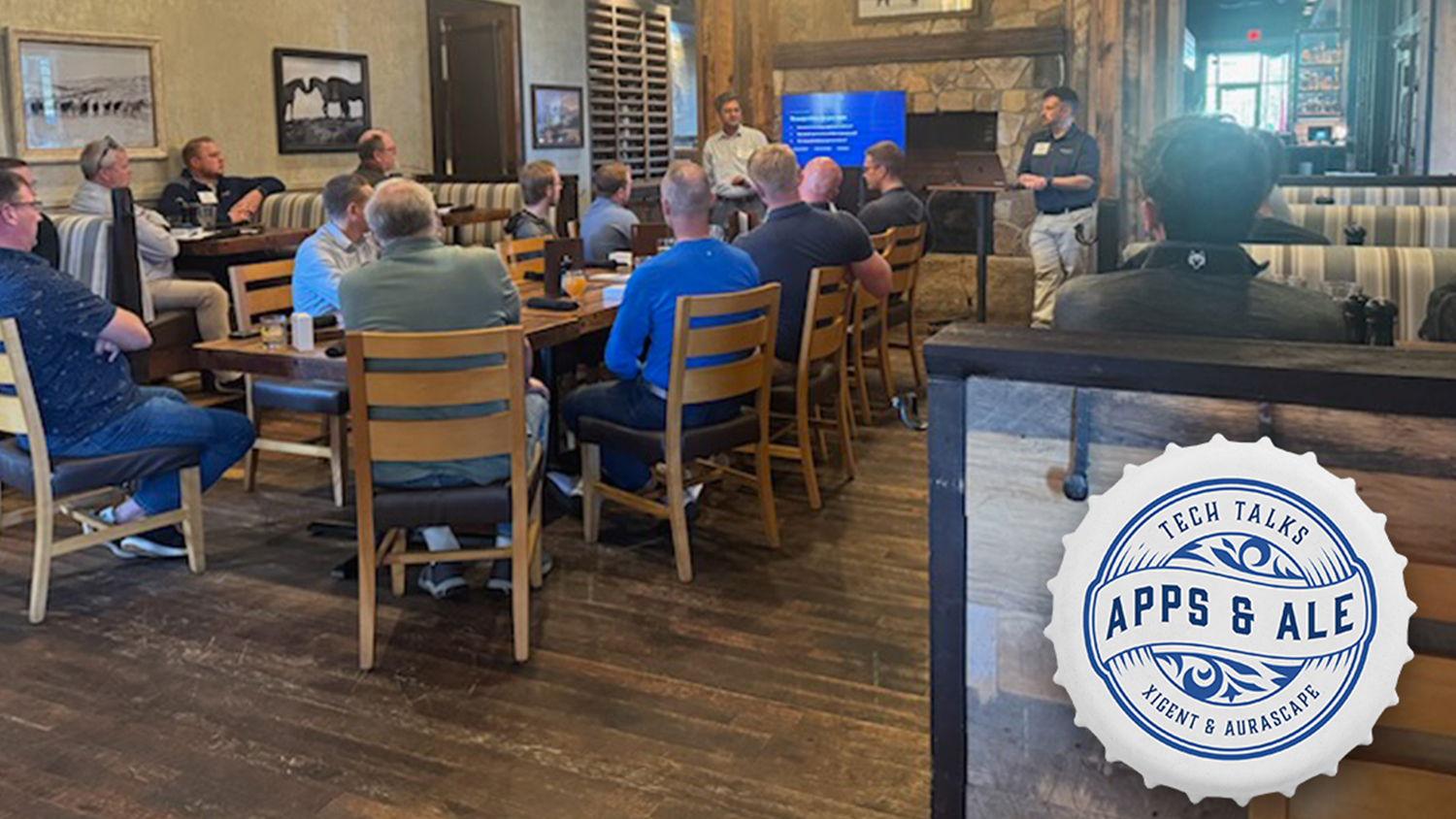
Tech Talks: Apps & Ale brought Sioux Falls IT leaders together to discuss AI security, governance, and the opportunities ahead Bringing AI Security & Governance Into Focus Xigent’s Tech Talks: Apps & Ale series continued in Sioux Falls, where Xigent and Aurascape brought local IT leaders together at ROAM Kitchen + Bar to explore the
Tech Talks: Apps & Ale brought Sioux Falls IT leaders together to discuss AI security, governance, and the opportunities ahead Bringing AI Security & Governance Into Focus Xigent’s Tech Talks: Apps & Ale series continued in Sioux Falls, where Xigent and Aurascape brought local IT leaders together at ROAM Kitchen + Bar to explore the
Read full post on xigentsolutions.com

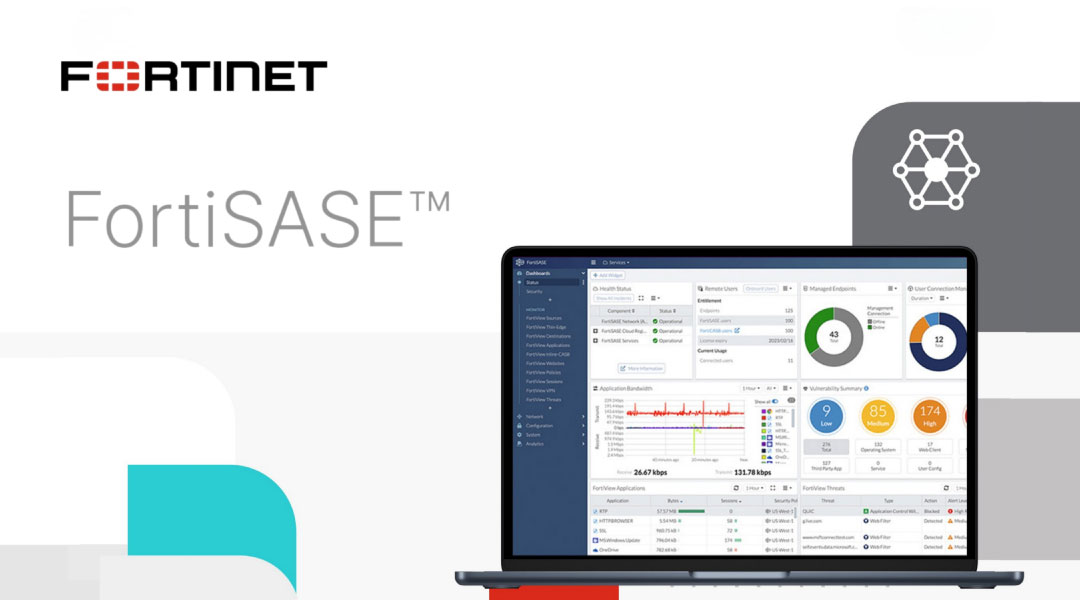
Image sourced from Fortinet In Part 1, we finally had a way to get rid of the remote access VPN and a way to secure network traffic for your remote …
Image sourced from Fortinet In Part 1, we finally had a way to get rid of the remote access VPN and a way to secure network traffic for your remote …
Read full post on mirazon.com

A clinic login failure before first appointments, a parish phone outage during public service hours, or a finance team locked out of billing approvals...
A clinic login failure before first appointments, a parish phone outage during public service hours, or a finance team locked out of billing approvals...
Read full post on turnkeysol.com


October creates useful attention. Leaders approve reminders, employees expect training, and IT teams can raise issues that often sit behind normal tic...
October creates useful attention. Leaders approve reminders, employees expect training, and IT teams can raise issues that often sit behind normal tic...
Read full post on xl.net

Is your server from 2016 or older? It may be time to start planning for a replacement. Servers are the backbone of your IT infrastructure, supporting everything from file storage
Is your server from 2016 or older? It may be time to start planning for a replacement. Servers are the backbone of your IT infrastructure, supporting everything from file storage
Read full post on dpctechnology.com
Phishing training for employees that actually cuts clicks — what to teach, how to test, and what San Diego businesses can safely skip.
Phishing training for employees that actually cuts clicks — what to teach, how to test, and what San Diego businesses can safely skip.
Read full post on fitsolutions.biz


Leaders often balance help-desk delays, invoice approvals, user access changes, security risk, remote work, and growth planning without hiring a full ...
Leaders often balance help-desk delays, invoice approvals, user access changes, security risk, remote work, and growth planning without hiring a full ...
Read full post on proteli.com

A slow application. An unreliable connection. A file that won't open when it's needed. Individually, these problems may seem minor. Across an organization, they can quietly consume hundreds of productive hours each year.
A slow application. An unreliable connection. A file that won't open when it's needed. Individually, these problems may seem minor. Across an organization, they can quietly consume hundreds of productive hours each year.
Read full post on blog.mentis-group.com
Microsoft is moving Copilot toward a licence-plus-consumption model: everyday AI remains part of predictable user licensing, while more advanced AI experiences can consume credits based on actual use.
Microsoft is moving Copilot toward a licence-plus-consumption model: everyday AI remains part of predictable user licensing, while more advanced AI experiences can consume credits based on actual use.
Read full post on itweapons.ca


How scammers pose as your Executive Director or a supplier to request urgent payments, the warning signs, and a simple payment-verification policy.
How scammers pose as your Executive Director or a supplier to request urgent payments, the warning signs, and a simple payment-verification policy.
Read full post on wildcardmsp.ca

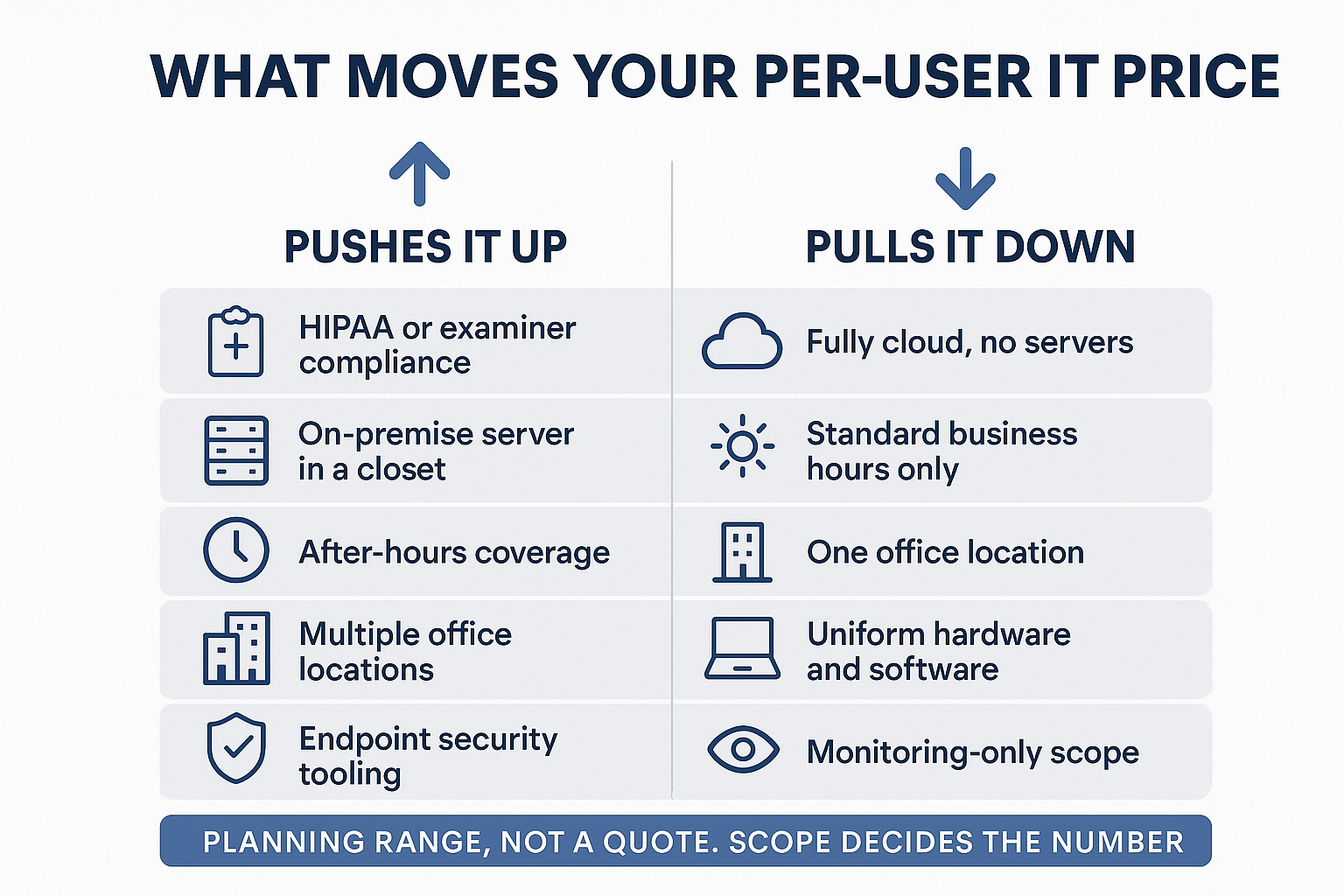
Direct Answer: Fully managed IT is usually priced per user. General market roundups cite planning ranges near $100 to $250 per user per month, with scope, servers, and compliance deciding where an office lands. You asked three providers what IT support costs. One came back with an hourly rate, one sent a per user number,
Direct Answer: Fully managed IT is usually priced per user. General market roundups cite planning ranges near $100 to $250 per user per month, with scope, servers, and compliance deciding where an office lands. You asked three providers what IT support costs. One came back with an hourly rate, one sent a per user number,
Read full post on adaptiveis.net




A new hire sits down on Monday and cannot open the client files because they live in a former employee’s OneDrive. Microsoft 365 support for businesses reduces that risk by settling who owns files, accounts, and licenses before someone needs them. Microsoft’s own setup guidance covers document libraries, user permissions, and data migration, which shows
A new hire sits down on Monday and cannot open the client files because they live in a former employee’s OneDrive. Microsoft 365 support for businesses reduces that risk by settling who owns files, accounts, and licenses before someone needs them. Microsoft’s own setup guidance covers document libraries, user permissions, and data migration, which shows
Read full post on rj-pro.net
Failed to load more articles
Check back later for more home news.
CMMC 2.0 requirements limit what a POA&M can defer. See which gaps must close before assessment and how San Diego contractors stay ready.
CMMC 2.0 requirements limit what a POA&M can defer. See which gaps must close before assessment and how San Diego contractors stay ready.
Read full post on fitsolutions.biz
Discover why cheap DIY page builders tank B2B conversion rates. Learn how custom web design delivers measurable growth for your business.
Discover why cheap DIY page builders tank B2B conversion rates. Learn how custom web design delivers measurable growth for your business.
Read full post on mytekrescue.com
A few articles back, we met an office manager at a growing service business who found an AI scheduling assistant,
A few articles back, we met an office manager at a growing service business who found an AI scheduling assistant,
Read full post on npi.net
The Hidden Business Risk Inside Every Microsoft 365 Environment For many organizations, Microsoft 365 has become part of the foundation of everyday business.
The Hidden Business Risk Inside Every Microsoft 365 Environment For many organizations, Microsoft 365 has become part of the foundation of everyday business.
Read full post on oxen.tech
Editor's note: This post was originally published on November 17, 2020, and has been revised for clarity and comprehensiveness.
Editor's note: This post was originally published on November 17, 2020, and has been revised for clarity and comprehensiveness.
Read full post on itsasap.com
Time saved on a task doesn't always turn into money saved. Here's how I'd judge AI ROI for small businesses, using three plain questions about each tool.
Time saved on a task doesn't always turn into money saved. Here's how I'd judge AI ROI for small businesses, using three plain questions about each tool.
Read full post on skysailtechnologies.com
Limited IT budgets are a common hurdle for small businesses, but reliable IT is crucial for success.
Limited IT budgets are a common hurdle for small businesses, but reliable IT is crucial for success.
Read full post on netfriends.com
At 7:40 on a Monday morning, the office manager at a 40-person architecture firm in Dallas opens a project folder on the shared server and finds that none of the files will open. Every filename now ends in an unfamiliar extension, and a text file in the folder explains that the firm's data has been encrypted. A set of construction documents is due to a client on Friday. The firm is fictional, but the situation is realistic. Ransomware, compromised email accounts, and fraudulent payment requests affect businesses of every size, and they rarely announce themselves clearly. It might start with a
At 7:40 on a Monday morning, the office manager at a 40-person architecture firm in Dallas opens a project folder on the shared server and finds that none of the files will open. Every filename now ends in an unfamiliar extension, and a text file in the folder explains that the firm's data has been encrypted. A set of construction documents is due to a client on Friday. The firm is fictional, but the situation is realistic. Ransomware, compromised email accounts, and fraudulent payment requests affect businesses of every size, and they rarely announce themselves clearly. It might start with an employee who can't open files, a client asking about an unusual email from your company, or an accounting transaction no one recognizes. What happens over the next 24 hours can influence how far an attack spreads, how quickly the business recovers, and how much disruption it experiences. Business leaders don't need to become cybersecurity experts overnight. They need to know who to call, what to leave alone, and which decisions require their attention. Here's how that first day should unfold.
Read full post on blog.mentis-group.com
Your newest hire walks in Monday at 8:30. By Friday afternoon, they have formed an opinion about your company that no welcome lunch will change. They did not get that opinion from the handbook or the culture slide in the orientation deck. They got it from the laptop, the logins, and the hour they spent
Your newest hire walks in Monday at 8:30. By Friday afternoon, they have formed an opinion about your company that no welcome lunch will change. They did not get that opinion from the handbook or the culture slide in the orientation deck. They got it from the laptop, the logins, and the hour they spent
Read full post on stringfellow.com
QR code phishing attacks more than doubled in the first three months of 2026, and the links hidden inside those codes are increasingly landing in business inboxes. If your staff scan a QR code from an email, invoice, or flyer without checking where it leads, you could hand over a username and password without ever
QR code phishing attacks more than doubled in the first three months of 2026, and the links hidden inside those codes are increasingly landing in business inboxes. If your staff scan a QR code from an email, invoice, or flyer without checking where it leads, you could hand over a username and password without ever
Read full post on bostonmit.com




A mid-sized architecture firm's internet-based activity dimmed around 9:14 AM on Tuesday. No dramatic crash or blue screen of death occurred. Instead, it was a slow immobility. A CAD file synced 12 seconds slower in the design suite than an hour before.
A mid-sized architecture firm's internet-based activity dimmed around 9:14 AM on Tuesday. No dramatic crash or blue screen of death occurred. Instead, it was a slow immobility. A CAD file synced 12 seconds slower in the design suite than an hour before.
Read full post on netvpro.comLas Vegas, NV
Orlando, FL
Virtual Event
Sign in to create your MSP event
Get more leads for your MSP

Suggestions
We've received your information and will match you with qualified MSPs soon. Check your email for next steps.
Select all that apply
Select all that apply
Optional
Your info is used only to match you with MSPs. No spam.