Choose the best IT support option below.


AI Governance for Small and Mid-Sized Businesses: How to Enable Innovation Without Losing Control
Employees are already exploring AI to summarize information, prepare drafts, and reduce repetitive work. Those experiments can reveal valuable opportunities to improve productivity, often before leadership has established a formal approach.
Employees are already exploring AI to summarize information, prepare drafts, and reduce repetitive work. Those experiments can reveal valuable opportunities to improve productivity, often before leadership has established a formal approach.
Read full post on blog.mentis-group.com

What Are the Most Common Cybersecurity Risks for Small and Mid-Sized Businesses?
Cybersecurity threats aren't limited to large corporations. Small and mid-sized businesses face many of the same risks, often without the internal security resources available to larger organizations. The challenge isn't simply knowing that cyber threats exist. It's understanding where your business is vulnerable, how those vulnerabilities could affect operations, and what steps can reduce your exposure. As businesses adopt more cloud applications, support remote employees, and introduce artificial intelligence into everyday workflows, their cybersecurity risks continue to evolve. The eight
Cybersecurity threats aren't limited to large corporations. Small and mid-sized businesses face many of the same risks, often without the internal security resources available to larger organizations. The challenge isn't simply knowing that cyber threats exist. It's understanding where your business is vulnerable, how those vulnerabilities could affect operations, and what steps can reduce your exposure. As businesses adopt more cloud applications, support remote employees, and introduce artificial intelligence into everyday workflows, their cybersecurity risks continue to evolve. The eight cybersecurity risks businesses should understand include phishing, compromised credentials, ransomware, unpatched systems, excessive access permissions, cloud security gaps, Shadow AI, and inadequate security visibility. Understanding these risks is an important first step. Managing them consistently is what makes the difference.
Read full post on blog.mentis-group.com

How to Know Your IT Company Just Isn't Cutting It | Mentis Group
Your IT provider should do more than keep your computers running and respond when something breaks. Technology plays a critical role in business operations, cybersecurity, productivity, and long-term growth. The right IT partner should help your organization move forward, not simply maintain the status quo. Unfortunately, not every IT provider delivers that level of value. Many businesses remain with their existing provider because their systems generally work, support tickets get resolved, and th
Your IT provider should do more than keep your computers running and respond when something breaks. Technology plays a critical role in business operations, cybersecurity, productivity, and long-term growth. The right IT partner should help your organization move forward, not simply maintain the status quo. Unfortunately, not every IT provider delivers that level of value. Many businesses remain with their existing provider because their systems generally work, support tickets get resolved, and there haven't been any major disruptions. While those are important expectations, they don't necessarily indicate that your organization is receiving the strategic guidance and proactive management it needs. Here are seven warning signs that your current IT provider may not be delivering the value your business deserves. 1. They're Always Reacting Instead of Planning Ahead If most of your interactions with your IT provider involve something breaking, you're likely experiencing a reactive approach to IT management. A modern managed IT provider should work proactively to identify risks, maintain technology standards, manage infrastructure health, and reduce the likelihood of recurring problems. This means looking beyond individual support tickets to understand why issues occur and what can be done to prevent them. Effective Fully Managed IT Services should combine responsive support with proactive technology management, ongoing maintenance, and long-term planning. What to look for: Your provider should demonstrate a consistent, proactive approach to maintaining and improving your technology environment, rather than waiting for problems to appear. 2. They Don't Provide Meaningful Strategic Guidance One of the clearest signs that an IT provider isn't meeting your needs is the absence of meaningful technology strategy. Technology decisions shouldn't be made in isolation. They should support your organization's business objectives, financial priorities, operational requirements, and plans for growth. Your IT provider should understand where your business is headed and help develop a technology roadmap that supports those goals. That includes guidance around technology investments, infrastructure modernization, cybersecurity, cloud adoption, and emerging opportunities such as AI and automation. A provider who simply reports on what happened last quarter isn't necessarily helping you prepare for what's coming next. This is where CIO-level technology leadership becomes particularly valuable. A strategic IT partner should help connect technology decisions to business outcomes, rather than focusing exclusively on technical operations. What to look for: Regular strategic business reviews, technology roadmaps, budget planning, and a designated technology leader who understands your business. 3. Cybersecurity Is Treated as an Add-On Cybersecurity should be fundamental to how your IT environment is managed, not an optional collection of products or services. Today's businesses face threats that extend beyond traditional antivirus protection and firewalls. Identity security, cloud applications, email threats, ransomware, employee behavior, and unauthorized technology use all introduce risks. A capable IT provider should take a layered approach to cybersecurity, incorporating prevention, detection, response, recovery, and ongoing risk management. A strong cybersecurity strategy should be informed by recognized industry frameworks, such as the NIST Cybersecurity Framework and CIS Controls. These frameworks help organizations establish a structured approach to identifying, managing, and reducing cybersecurity risks while supporting applicable regulatory and contractual requirements. A comprehensive approach to Managed Cybersecurity Services should integrate security into everyday technology management rather than treating it as a separate conversation. What to look for: A clearly defined cybersecurity strategy, ongoing risk assessments, appropriate security controls, and regular discussions about your organization's evolving exposure. 4. They Don't Understand Your Business Every organization has different operational requirements, business applications, regulatory considerations, and growth objectives. While technology standards and proven processes are important, applying those standards effectively requires understanding how your organization operates. Your IT provider should know which systems are critical to your business, how your employees work, and where technology creates opportunities or obstacles. For example, an architecture firm relying on resource-intensive design applications has different technology priorities than a nonprofit managing donor information or a financial services organization handling sensitive client data. What to look for: A provider who understands your workflows, business applications, and operational priorities—and uses that knowledge to guide technology decisions. 5. You Have Little Visibility Into Your Technology Environment Business leaders shouldn't have to wonder whether their technology is healthy, secure, or prepared for future needs. Your IT provider should offer meaningful visibility into the condition of your environment, including infrastructure health, cybersecurity risks, technology lifecycle planning, and areas requiring investment. This doesn't mean overwhelming executives with technical reports or endless performance metrics. It means translating technical information into business-relevant insights that support informed decisions. Regular Technology Alignment Reviews can help organizations understand how their technology environment measures against established expectations and where improvements should be prioritized. What to look for: Clear communication, regular technology reviews, actionable recommendations, and transparency about risks, priorities, and progress. 6. They're Not Helping You Navigate AI and Automation Artificial intelligence and automation are changing how businesses operate, creating opportunities to improve productivity, streamline workflows, and make better use of information. They're also introducing new challenges involving data security, governance, employee adoption, and technology integration. Your IT provider doesn't necessarily need to develop every AI solution internally. However, they should be helping your organization understand the opportunities, evaluate appropriate technologies, and establish safeguards for responsible adoption. That includes recognizing that different business functions may benefit from different AI platforms and tools. A provider who ignores AI entirely—or treats it exclusively as a software licensing conversation—may be missing an important opportunity to help your business evolve. Effective AI governance provides a foundation for evaluating and adopting AI technologies responsibly, while balancing innovation with security and business objectives. What to look for: Practical guidance on AI readiness, governance, approved tools, security considerations, and opportunities to improve business processes through automation. 7. You Don't Feel Like You Have a True Technology Partner Perhaps the most important warning sign is also the hardest to measure. Does your IT provider genuinely feel invested in your organization's success? A strong technology partnership involves more than technical competence. It requires accountability, communication, consistency, and a willingness to challenge assumptions when better approaches are available. Your provider should be comfortable having difficult conversations, recommending investments when necessary, and explaining when a proposed technology decision may not serve your long-term interests. You should feel confident that someone is thinking about your technology environment even when everything appears to be working. What to look for: A relationship built on trust, transparency, accountability, and a shared understanding of what your business is trying to accomplish. When Should You Consider Switching IT Providers? Not every frustration with an IT provider means it's time to make a change. Occasional support challenges, unexpected technical issues, and disagreements about priorities can occur in even the strongest partnerships. The more important question is whether those challenges represent isolated incidents or a consistent pattern. If your organization regularly experiences reactive support, limited strategic guidance, unclear cybersecurity practices, or a lack of meaningful business alignment, it may be time to reevaluate the relationship. Before making a decision, consider discussing your concerns directly with your existing provider. A capable partner should be willing to acknowledge shortcomings, establish expectations, and demonstrate measurable improvement. If those conversations don't produce meaningful change, exploring other options may be appropriate. What Should You Expect From a Modern Managed IT Provider? A modern managed IT provider should combine dependable technical support with proactive technology management, integrated cybersecurity, and strategic leadership. The objective isn't simply to keep technology functioning. It's to create a secure, reliable, and adaptable technology environment that supports the organization's broader business goals. At Mentis Group, we believe technology strategy, operational discipline, and cybersecurity should work together as part of a comprehensive managed IT relationship. Our approach combines proactive technology management, ongoing technology alignment, CIO-led strategic guidance, and a security-first philosophy designed to help organizations make better technology decisions. Technology should be an asset that helps your business move forward—not a recurring source of uncertainty. Is Your Current IT Provider Delivering What Your Business Needs? If you're questioning whether your existing IT provider is the right long-term partner, an outside perspective can help. Schedule a consultation with Mentis Group or call (866) 901-7808 to discuss your technology environment, business priorities, and opportunities for improvement.
Read full post on blog.mentis-group.com

Why Cybersecurity Is No Longer Optional for Growing Businesses
There was a time when cybersecurity felt like something only large companies had to worry about. Smaller and mid-sized businesses could operate under the assumption that they were not likely targets. As long as basic protections were in place, it felt like enough. That is no longer the reality. Today, growing businesses are increasingly in the spotlight. Not because they are doing anything wrong, but because they are often less prepared and easier to access than larger organizations with dedicated security teams. The risk has changed, and the way businesses approach cybersecurity has to ch
There was a time when cybersecurity felt like something only large companies had to worry about. Smaller and mid-sized businesses could operate under the assumption that they were not likely targets. As long as basic protections were in place, it felt like enough. That is no longer the reality. Today, growing businesses are increasingly in the spotlight. Not because they are doing anything wrong, but because they are often less prepared and easier to access than larger organizations with dedicated security teams. The risk has changed, and the way businesses approach cybersecurity has to change with it.
Read full post on blog.mentis-group.com
Who Is Mentis Group? A Managed IT Partner Built Around Your Business
Technology is supposed to make your business run smoother. But for many companies, it becomes one more thing to manage, fix, and worry about. Systems slow down. Security concerns grow. Small issues turn into larger disruptions that pull your team away from the work that actually moves the business forward. That is usually the point where companies start asking a better question. Not “Who can fix this problem?” but “Who can take ownership of this part of our business so we can focus on everything else?” That is where Mentis Group comes in.
Technology is supposed to make your business run smoother. But for many companies, it becomes one more thing to manage, fix, and worry about. Systems slow down. Security concerns grow. Small issues turn into larger disruptions that pull your team away from the work that actually moves the business forward. That is usually the point where companies start asking a better question. Not “Who can fix this problem?” but “Who can take ownership of this part of our business so we can focus on everything else?” That is where Mentis Group comes in.
Read full post on blog.mentis-group.com

MFA in 2026: The Business Security Essential That’s Basically as Important as Your Password
There was a time when a strong password felt like a responsible adult decision. Twelve characters, a symbol, a number, maybe a capital letter thrown in for drama. Back then, you could feel pretty good about yourself. In 2026, that is no longer enough. A password by itself is closer to a screen door than a security strategy. That is why multifactor authentication (MFA) is no longer a “nice-to-have” for businesses. It is one of the most practical, essential, and overdue protections an organization can put in place. At Mentis Group, we help businesses align cybersecurity strategy and managed IT
There was a time when a strong password felt like a responsible adult decision. Twelve characters, a symbol, a number, maybe a capital letter thrown in for drama. Back then, you could feel pretty good about yourself. In 2026, that is no longer enough. A password by itself is closer to a screen door than a security strategy. That is why multifactor authentication (MFA) is no longer a “nice-to-have” for businesses. It is one of the most practical, essential, and overdue protections an organization can put in place. At Mentis Group, we help businesses align cybersecurity strategy and managed IT support so identity security is not left to hope, habit, or that one employee who still thinks “Spring2026!” is a clever password.
Read full post on blog.mentis-group.com
Mentis Group Named a 2026 Dallas Business Journal Best Place to Work
DALLAS, TX — Mentis Group is honored to announce that we have been named a 2026 recipient of the Dallas Business Journal’s Best Places to Work. This recognition is especially meaningful because it reflects the experience and feedback of our own team. At Mentis Group, we have always believed that exceptional client experiences begin with an exceptional team. When people trust one another, communicate openly, share accountability, and genuinely care about the work they do, that culture is felt by every client they serve. We are proud to have built a team that supports one another, cares deepl
DALLAS, TX — Mentis Group is honored to announce that we have been named a 2026 recipient of the Dallas Business Journal’s Best Places to Work. This recognition is especially meaningful because it reflects the experience and feedback of our own team. At Mentis Group, we have always believed that exceptional client experiences begin with an exceptional team. When people trust one another, communicate openly, share accountability, and genuinely care about the work they do, that culture is felt by every client they serve. We are proud to have built a team that supports one another, cares deeply about our clients, and continues rowing in the same direction.
Read full post on blog.mentis-group.com

What Is Managed IT, and When Does Your Business Actually Need It?
Most businesses don’t start out looking for managed IT. At the beginning, technology is simple enough to handle as needed. A few devices, a handful of tools, maybe an outside technician you call when something breaks. It feels manageable. But over time, things change. Your team grows. Systems become more important. Security concerns start to feel more real. Small issues take longer to fix and have a bigger impact when they do. That is usually when the question comes up. “Do we need something more than this?” To answer that, it helps to first understand what managed IT actually is, and wh
Most businesses don’t start out looking for managed IT. At the beginning, technology is simple enough to handle as needed. A few devices, a handful of tools, maybe an outside technician you call when something breaks. It feels manageable. But over time, things change. Your team grows. Systems become more important. Security concerns start to feel more real. Small issues take longer to fix and have a bigger impact when they do. That is usually when the question comes up. “Do we need something more than this?” To answer that, it helps to first understand what managed IT actually is, and what it is not.
Read full post on blog.mentis-group.com
What Does a Modern Managed IT Provider Actually Do?
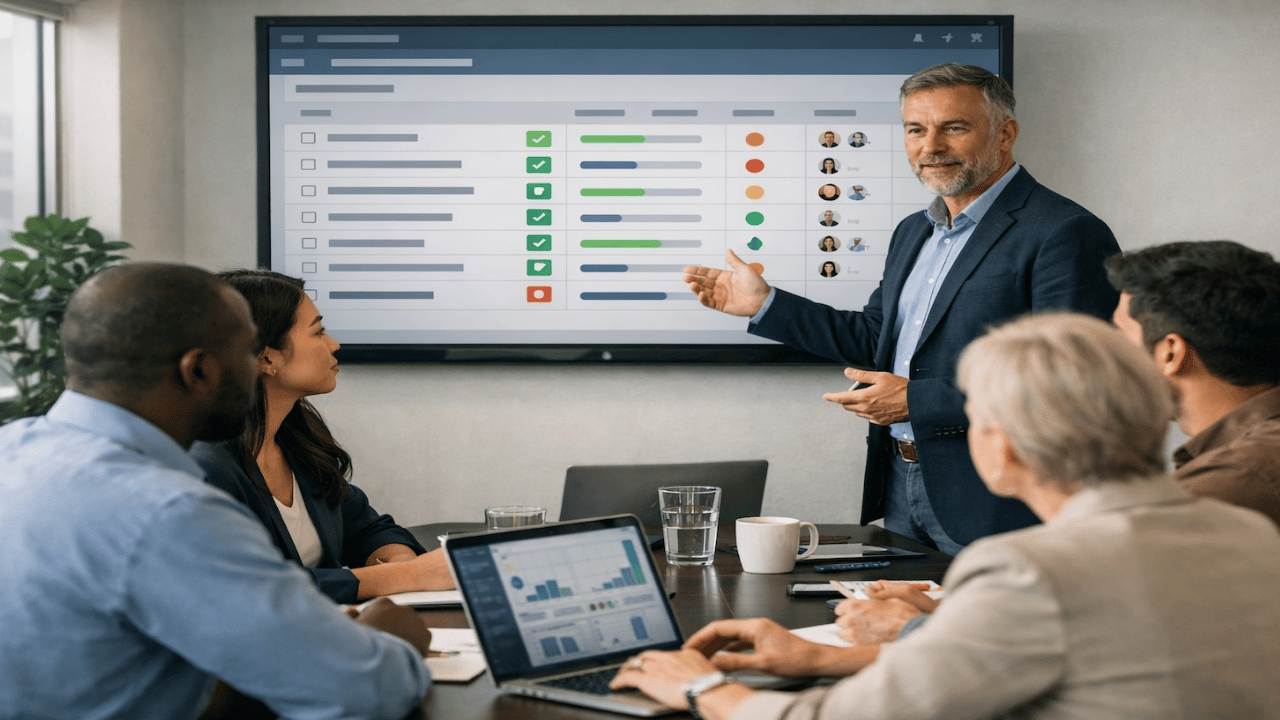
Most businesses know they need IT support. Far fewer know what a modern managed IT provider should actually be doing behind the scenes. For many organizations, managed IT still sounds like a help desk. Password resets. Computer issues. Printer problems. Software questions. Internet outages. Those services matter, and when employees need help, they need it quickly. However, if your IT provider is primarily defined by how well they respond after something breaks, you may not be receiving truly modern managed IT services. You may simply be outsourcing technical support. A modern managed IT pro
Most businesses know they need IT support. Far fewer know what a modern managed IT provider should actually be doing behind the scenes. For many organizations, managed IT still sounds like a help desk. Password resets. Computer issues. Printer problems. Software questions. Internet outages. Those services matter, and when employees need help, they need it quickly. However, if your IT provider is primarily defined by how well they respond after something breaks, you may not be receiving truly modern managed IT services. You may simply be outsourcing technical support. A modern managed IT provider should do more than close tickets. They should help reduce risk, improve productivity, strengthen cybersecurity, guide technology decisions, improve business processes, support automation and AI adoption, and continuously align IT with the goals of the business. At Mentis Group, we believe great IT does not happen by accident. It happens through strategy, standards, cybersecurity, automation, and ongoing alignment. That is why our approach to managed IT services, co-managed IT support, and managed cybersecurity services is built around helping businesses across Dallas-Fort Worth, Houston, Texas, and beyond use technology with more confidence and less disruption.
Read full post on blog.mentis-group.com
Mentis Group Named to the 2026 Channel Futures MSP 501
Mentis Group, a Dallas-based, security-first managed IT and cybersecurity provider serving businesses across Texas and more than 14 states nationwide, is proud to announce it has been named to the 2026 Channel Futures MSP 501, earning the #211 ranking among the world’s top managed service providers. The recognition reinforces Mentis Group’s position as one of the nation’s leading managed IT services providers, helping organizations across Dallas-Fort Worth, Houston, Texas, and nationwide improve cybersecurity, modernize IT operations, and align technology with business goals. The MSP 501 is
Mentis Group, a Dallas-based, security-first managed IT and cybersecurity provider serving businesses across Texas and more than 14 states nationwide, is proud to announce it has been named to the 2026 Channel Futures MSP 501, earning the #211 ranking among the world’s top managed service providers. The recognition reinforces Mentis Group’s position as one of the nation’s leading managed IT services providers, helping organizations across Dallas-Fort Worth, Houston, Texas, and nationwide improve cybersecurity, modernize IT operations, and align technology with business goals. The MSP 501 is the IT industry’s gold standard for recognizing managed service providers that demonstrate not only growth, but operational excellence and the ability to deliver consistent, measurable value to their clients. Earning a place on this list is a distinction that belongs to the entire Mentis team – and to every client who has trusted us with their business. You can view the complete 2026 MSP 501 list here.
Read full post on blog.mentis-group.com
Failed to load more articles
You're all caught up!
Check back later for more profile news.
Are you ready to move beyond constant system worries—from the next crash to the looming threat of a security breach?
At Mentis Group, we go beyond typical IT services by aligning technology with your strategic business objectives.
Our approach is rooted in a partnership philosophy: we start by listening intently to understand your unique needs because we know one-size-fits-all solutions fall short.
We replace jargon with clarity and direct communication, ensuring you understand how our solutions directly benefit your operations, and empower your team to focus on what matters most—your mission.
Whether you’re a nonprofit, law firm, insurance agency, financial firm, manufacturer, or service provider, Mentis Group delivers comprehensive IT solutions and processes that ensure your team does more than just function—they excel.
We are more than a provider; we are your essential business partner, offering managed services, strategic consulting, cloud solutions, technology alignment, and IT business continuity.
Ready to elevate your business with a technology strategy that delivers real results?
Connect with Mentis Group today and discover how our expert team can transform your IT into a powerful tool for business growth.
AI Governance for Small and Mid-Sized Businesses: How to Enable Innovation Without Losing Control
Employees are already exploring AI to summarize information, prepare drafts, and reduce repetitive work. Those experiments can reveal valuable opportunities to improve productivity, often before leadership has established a formal approach.
Employees are already exploring AI to summarize information, prepare drafts, and reduce repetitive work. Those experiments can reveal valuable opportunities to improve productivity, often before leadership has established a formal approach.
Read full post on blog.mentis-group.com
What Are the Most Common Cybersecurity Risks for Small and Mid-Sized Businesses?
Cybersecurity threats aren't limited to large corporations. Small and mid-sized businesses face many of the same risks, often without the internal security resources available to larger organizations. The challenge isn't simply knowing that cyber threats exist. It's understanding where your business is vulnerable, how those vulnerabilities could affect operations, and what steps can reduce your exposure. As businesses adopt more cloud applications, support remote employees, and introduce artificial intelligence into everyday workflows, their cybersecurity risks continue to evolve. The eight
Cybersecurity threats aren't limited to large corporations. Small and mid-sized businesses face many of the same risks, often without the internal security resources available to larger organizations. The challenge isn't simply knowing that cyber threats exist. It's understanding where your business is vulnerable, how those vulnerabilities could affect operations, and what steps can reduce your exposure. As businesses adopt more cloud applications, support remote employees, and introduce artificial intelligence into everyday workflows, their cybersecurity risks continue to evolve. The eight cybersecurity risks businesses should understand include phishing, compromised credentials, ransomware, unpatched systems, excessive access permissions, cloud security gaps, Shadow AI, and inadequate security visibility. Understanding these risks is an important first step. Managing them consistently is what makes the difference.
Read full post on blog.mentis-group.com
How to Know Your IT Company Just Isn't Cutting It | Mentis Group
Your IT provider should do more than keep your computers running and respond when something breaks. Technology plays a critical role in business operations, cybersecurity, productivity, and long-term growth. The right IT partner should help your organization move forward, not simply maintain the status quo. Unfortunately, not every IT provider delivers that level of value. Many businesses remain with their existing provider because their systems generally work, support tickets get resolved, and th
Your IT provider should do more than keep your computers running and respond when something breaks. Technology plays a critical role in business operations, cybersecurity, productivity, and long-term growth. The right IT partner should help your organization move forward, not simply maintain the status quo. Unfortunately, not every IT provider delivers that level of value. Many businesses remain with their existing provider because their systems generally work, support tickets get resolved, and there haven't been any major disruptions. While those are important expectations, they don't necessarily indicate that your organization is receiving the strategic guidance and proactive management it needs. Here are seven warning signs that your current IT provider may not be delivering the value your business deserves. 1. They're Always Reacting Instead of Planning Ahead If most of your interactions with your IT provider involve something breaking, you're likely experiencing a reactive approach to IT management. A modern managed IT provider should work proactively to identify risks, maintain technology standards, manage infrastructure health, and reduce the likelihood of recurring problems. This means looking beyond individual support tickets to understand why issues occur and what can be done to prevent them. Effective Fully Managed IT Services should combine responsive support with proactive technology management, ongoing maintenance, and long-term planning. What to look for: Your provider should demonstrate a consistent, proactive approach to maintaining and improving your technology environment, rather than waiting for problems to appear. 2. They Don't Provide Meaningful Strategic Guidance One of the clearest signs that an IT provider isn't meeting your needs is the absence of meaningful technology strategy. Technology decisions shouldn't be made in isolation. They should support your organization's business objectives, financial priorities, operational requirements, and plans for growth. Your IT provider should understand where your business is headed and help develop a technology roadmap that supports those goals. That includes guidance around technology investments, infrastructure modernization, cybersecurity, cloud adoption, and emerging opportunities such as AI and automation. A provider who simply reports on what happened last quarter isn't necessarily helping you prepare for what's coming next. This is where CIO-level technology leadership becomes particularly valuable. A strategic IT partner should help connect technology decisions to business outcomes, rather than focusing exclusively on technical operations. What to look for: Regular strategic business reviews, technology roadmaps, budget planning, and a designated technology leader who understands your business. 3. Cybersecurity Is Treated as an Add-On Cybersecurity should be fundamental to how your IT environment is managed, not an optional collection of products or services. Today's businesses face threats that extend beyond traditional antivirus protection and firewalls. Identity security, cloud applications, email threats, ransomware, employee behavior, and unauthorized technology use all introduce risks. A capable IT provider should take a layered approach to cybersecurity, incorporating prevention, detection, response, recovery, and ongoing risk management. A strong cybersecurity strategy should be informed by recognized industry frameworks, such as the NIST Cybersecurity Framework and CIS Controls. These frameworks help organizations establish a structured approach to identifying, managing, and reducing cybersecurity risks while supporting applicable regulatory and contractual requirements. A comprehensive approach to Managed Cybersecurity Services should integrate security into everyday technology management rather than treating it as a separate conversation. What to look for: A clearly defined cybersecurity strategy, ongoing risk assessments, appropriate security controls, and regular discussions about your organization's evolving exposure. 4. They Don't Understand Your Business Every organization has different operational requirements, business applications, regulatory considerations, and growth objectives. While technology standards and proven processes are important, applying those standards effectively requires understanding how your organization operates. Your IT provider should know which systems are critical to your business, how your employees work, and where technology creates opportunities or obstacles. For example, an architecture firm relying on resource-intensive design applications has different technology priorities than a nonprofit managing donor information or a financial services organization handling sensitive client data. What to look for: A provider who understands your workflows, business applications, and operational priorities—and uses that knowledge to guide technology decisions. 5. You Have Little Visibility Into Your Technology Environment Business leaders shouldn't have to wonder whether their technology is healthy, secure, or prepared for future needs. Your IT provider should offer meaningful visibility into the condition of your environment, including infrastructure health, cybersecurity risks, technology lifecycle planning, and areas requiring investment. This doesn't mean overwhelming executives with technical reports or endless performance metrics. It means translating technical information into business-relevant insights that support informed decisions. Regular Technology Alignment Reviews can help organizations understand how their technology environment measures against established expectations and where improvements should be prioritized. What to look for: Clear communication, regular technology reviews, actionable recommendations, and transparency about risks, priorities, and progress. 6. They're Not Helping You Navigate AI and Automation Artificial intelligence and automation are changing how businesses operate, creating opportunities to improve productivity, streamline workflows, and make better use of information. They're also introducing new challenges involving data security, governance, employee adoption, and technology integration. Your IT provider doesn't necessarily need to develop every AI solution internally. However, they should be helping your organization understand the opportunities, evaluate appropriate technologies, and establish safeguards for responsible adoption. That includes recognizing that different business functions may benefit from different AI platforms and tools. A provider who ignores AI entirely—or treats it exclusively as a software licensing conversation—may be missing an important opportunity to help your business evolve. Effective AI governance provides a foundation for evaluating and adopting AI technologies responsibly, while balancing innovation with security and business objectives. What to look for: Practical guidance on AI readiness, governance, approved tools, security considerations, and opportunities to improve business processes through automation. 7. You Don't Feel Like You Have a True Technology Partner Perhaps the most important warning sign is also the hardest to measure. Does your IT provider genuinely feel invested in your organization's success? A strong technology partnership involves more than technical competence. It requires accountability, communication, consistency, and a willingness to challenge assumptions when better approaches are available. Your provider should be comfortable having difficult conversations, recommending investments when necessary, and explaining when a proposed technology decision may not serve your long-term interests. You should feel confident that someone is thinking about your technology environment even when everything appears to be working. What to look for: A relationship built on trust, transparency, accountability, and a shared understanding of what your business is trying to accomplish. When Should You Consider Switching IT Providers? Not every frustration with an IT provider means it's time to make a change. Occasional support challenges, unexpected technical issues, and disagreements about priorities can occur in even the strongest partnerships. The more important question is whether those challenges represent isolated incidents or a consistent pattern. If your organization regularly experiences reactive support, limited strategic guidance, unclear cybersecurity practices, or a lack of meaningful business alignment, it may be time to reevaluate the relationship. Before making a decision, consider discussing your concerns directly with your existing provider. A capable partner should be willing to acknowledge shortcomings, establish expectations, and demonstrate measurable improvement. If those conversations don't produce meaningful change, exploring other options may be appropriate. What Should You Expect From a Modern Managed IT Provider? A modern managed IT provider should combine dependable technical support with proactive technology management, integrated cybersecurity, and strategic leadership. The objective isn't simply to keep technology functioning. It's to create a secure, reliable, and adaptable technology environment that supports the organization's broader business goals. At Mentis Group, we believe technology strategy, operational discipline, and cybersecurity should work together as part of a comprehensive managed IT relationship. Our approach combines proactive technology management, ongoing technology alignment, CIO-led strategic guidance, and a security-first philosophy designed to help organizations make better technology decisions. Technology should be an asset that helps your business move forward—not a recurring source of uncertainty. Is Your Current IT Provider Delivering What Your Business Needs? If you're questioning whether your existing IT provider is the right long-term partner, an outside perspective can help. Schedule a consultation with Mentis Group or call (866) 901-7808 to discuss your technology environment, business priorities, and opportunities for improvement.
Read full post on blog.mentis-group.com
Why Cybersecurity Is No Longer Optional for Growing Businesses
There was a time when cybersecurity felt like something only large companies had to worry about. Smaller and mid-sized businesses could operate under the assumption that they were not likely targets. As long as basic protections were in place, it felt like enough. That is no longer the reality. Today, growing businesses are increasingly in the spotlight. Not because they are doing anything wrong, but because they are often less prepared and easier to access than larger organizations with dedicated security teams. The risk has changed, and the way businesses approach cybersecurity has to ch
There was a time when cybersecurity felt like something only large companies had to worry about. Smaller and mid-sized businesses could operate under the assumption that they were not likely targets. As long as basic protections were in place, it felt like enough. That is no longer the reality. Today, growing businesses are increasingly in the spotlight. Not because they are doing anything wrong, but because they are often less prepared and easier to access than larger organizations with dedicated security teams. The risk has changed, and the way businesses approach cybersecurity has to change with it.
Read full post on blog.mentis-group.com
Who Is Mentis Group? A Managed IT Partner Built Around Your Business
Technology is supposed to make your business run smoother. But for many companies, it becomes one more thing to manage, fix, and worry about. Systems slow down. Security concerns grow. Small issues turn into larger disruptions that pull your team away from the work that actually moves the business forward. That is usually the point where companies start asking a better question. Not “Who can fix this problem?” but “Who can take ownership of this part of our business so we can focus on everything else?” That is where Mentis Group comes in.
Technology is supposed to make your business run smoother. But for many companies, it becomes one more thing to manage, fix, and worry about. Systems slow down. Security concerns grow. Small issues turn into larger disruptions that pull your team away from the work that actually moves the business forward. That is usually the point where companies start asking a better question. Not “Who can fix this problem?” but “Who can take ownership of this part of our business so we can focus on everything else?” That is where Mentis Group comes in.
Read full post on blog.mentis-group.com
MFA in 2026: The Business Security Essential That’s Basically as Important as Your Password
There was a time when a strong password felt like a responsible adult decision. Twelve characters, a symbol, a number, maybe a capital letter thrown in for drama. Back then, you could feel pretty good about yourself. In 2026, that is no longer enough. A password by itself is closer to a screen door than a security strategy. That is why multifactor authentication (MFA) is no longer a “nice-to-have” for businesses. It is one of the most practical, essential, and overdue protections an organization can put in place. At Mentis Group, we help businesses align cybersecurity strategy and managed IT
There was a time when a strong password felt like a responsible adult decision. Twelve characters, a symbol, a number, maybe a capital letter thrown in for drama. Back then, you could feel pretty good about yourself. In 2026, that is no longer enough. A password by itself is closer to a screen door than a security strategy. That is why multifactor authentication (MFA) is no longer a “nice-to-have” for businesses. It is one of the most practical, essential, and overdue protections an organization can put in place. At Mentis Group, we help businesses align cybersecurity strategy and managed IT support so identity security is not left to hope, habit, or that one employee who still thinks “Spring2026!” is a clever password.
Read full post on blog.mentis-group.com
Mentis Group Named a 2026 Dallas Business Journal Best Place to Work
DALLAS, TX — Mentis Group is honored to announce that we have been named a 2026 recipient of the Dallas Business Journal’s Best Places to Work. This recognition is especially meaningful because it reflects the experience and feedback of our own team. At Mentis Group, we have always believed that exceptional client experiences begin with an exceptional team. When people trust one another, communicate openly, share accountability, and genuinely care about the work they do, that culture is felt by every client they serve. We are proud to have built a team that supports one another, cares deepl
DALLAS, TX — Mentis Group is honored to announce that we have been named a 2026 recipient of the Dallas Business Journal’s Best Places to Work. This recognition is especially meaningful because it reflects the experience and feedback of our own team. At Mentis Group, we have always believed that exceptional client experiences begin with an exceptional team. When people trust one another, communicate openly, share accountability, and genuinely care about the work they do, that culture is felt by every client they serve. We are proud to have built a team that supports one another, cares deeply about our clients, and continues rowing in the same direction.
Read full post on blog.mentis-group.com
What Is Managed IT, and When Does Your Business Actually Need It?
Most businesses don’t start out looking for managed IT. At the beginning, technology is simple enough to handle as needed. A few devices, a handful of tools, maybe an outside technician you call when something breaks. It feels manageable. But over time, things change. Your team grows. Systems become more important. Security concerns start to feel more real. Small issues take longer to fix and have a bigger impact when they do. That is usually when the question comes up. “Do we need something more than this?” To answer that, it helps to first understand what managed IT actually is, and wh
Most businesses don’t start out looking for managed IT. At the beginning, technology is simple enough to handle as needed. A few devices, a handful of tools, maybe an outside technician you call when something breaks. It feels manageable. But over time, things change. Your team grows. Systems become more important. Security concerns start to feel more real. Small issues take longer to fix and have a bigger impact when they do. That is usually when the question comes up. “Do we need something more than this?” To answer that, it helps to first understand what managed IT actually is, and what it is not.
Read full post on blog.mentis-group.com
What Does a Modern Managed IT Provider Actually Do?
Most businesses know they need IT support. Far fewer know what a modern managed IT provider should actually be doing behind the scenes. For many organizations, managed IT still sounds like a help desk. Password resets. Computer issues. Printer problems. Software questions. Internet outages. Those services matter, and when employees need help, they need it quickly. However, if your IT provider is primarily defined by how well they respond after something breaks, you may not be receiving truly modern managed IT services. You may simply be outsourcing technical support. A modern managed IT pro
Most businesses know they need IT support. Far fewer know what a modern managed IT provider should actually be doing behind the scenes. For many organizations, managed IT still sounds like a help desk. Password resets. Computer issues. Printer problems. Software questions. Internet outages. Those services matter, and when employees need help, they need it quickly. However, if your IT provider is primarily defined by how well they respond after something breaks, you may not be receiving truly modern managed IT services. You may simply be outsourcing technical support. A modern managed IT provider should do more than close tickets. They should help reduce risk, improve productivity, strengthen cybersecurity, guide technology decisions, improve business processes, support automation and AI adoption, and continuously align IT with the goals of the business. At Mentis Group, we believe great IT does not happen by accident. It happens through strategy, standards, cybersecurity, automation, and ongoing alignment. That is why our approach to managed IT services, co-managed IT support, and managed cybersecurity services is built around helping businesses across Dallas-Fort Worth, Houston, Texas, and beyond use technology with more confidence and less disruption.
Read full post on blog.mentis-group.com
Mentis Group Named to the 2026 Channel Futures MSP 501
Mentis Group, a Dallas-based, security-first managed IT and cybersecurity provider serving businesses across Texas and more than 14 states nationwide, is proud to announce it has been named to the 2026 Channel Futures MSP 501, earning the #211 ranking among the world’s top managed service providers. The recognition reinforces Mentis Group’s position as one of the nation’s leading managed IT services providers, helping organizations across Dallas-Fort Worth, Houston, Texas, and nationwide improve cybersecurity, modernize IT operations, and align technology with business goals. The MSP 501 is
Mentis Group, a Dallas-based, security-first managed IT and cybersecurity provider serving businesses across Texas and more than 14 states nationwide, is proud to announce it has been named to the 2026 Channel Futures MSP 501, earning the #211 ranking among the world’s top managed service providers. The recognition reinforces Mentis Group’s position as one of the nation’s leading managed IT services providers, helping organizations across Dallas-Fort Worth, Houston, Texas, and nationwide improve cybersecurity, modernize IT operations, and align technology with business goals. The MSP 501 is the IT industry’s gold standard for recognizing managed service providers that demonstrate not only growth, but operational excellence and the ability to deliver consistent, measurable value to their clients. Earning a place on this list is a distinction that belongs to the entire Mentis team – and to every client who has trusted us with their business. You can view the complete 2026 MSP 501 list here.
Read full post on blog.mentis-group.com
Failed to load more articles
You're all caught up!
Check back later for more profile news.