
Choose the best IT support option below.

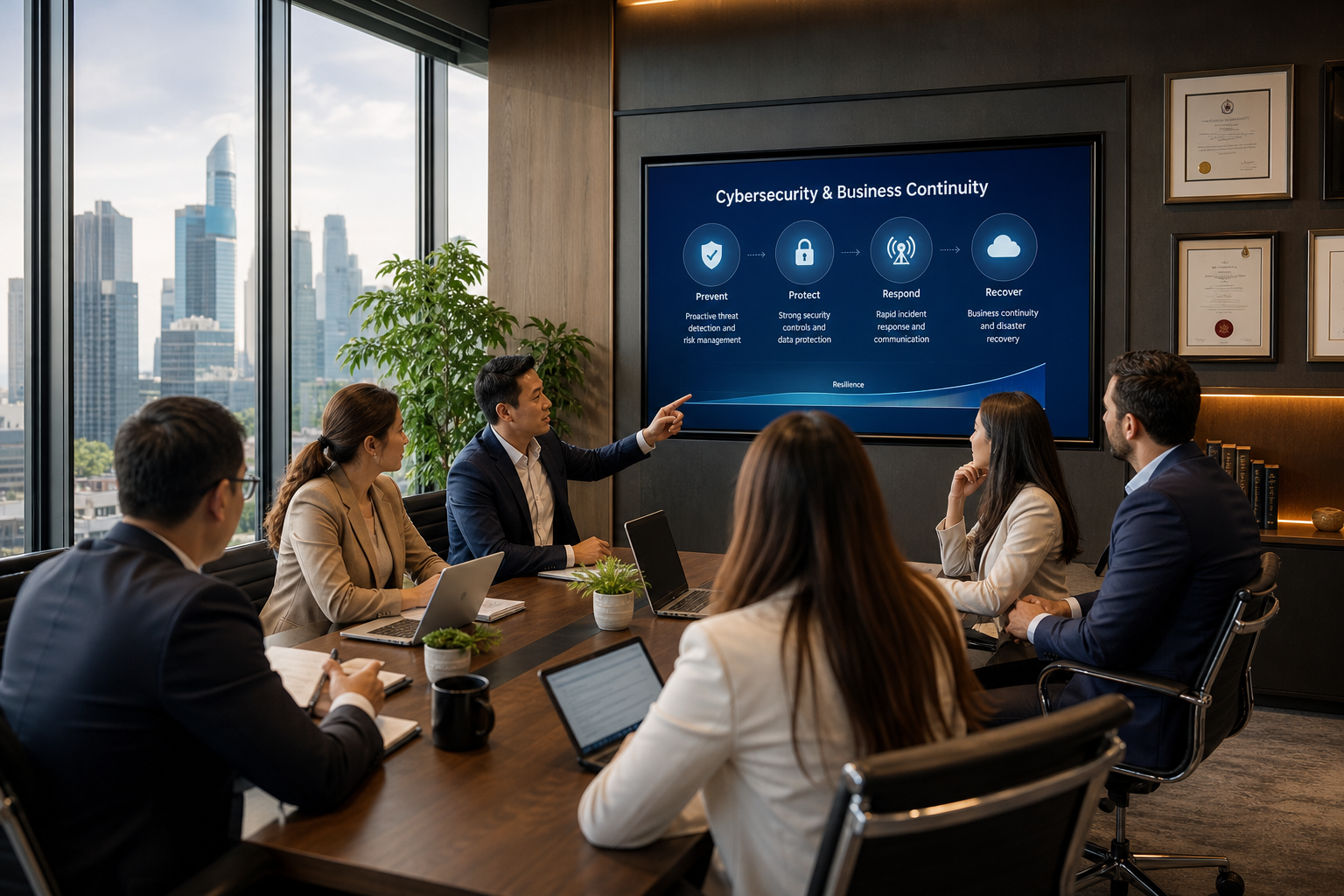
Firewall Security Is About Business Continuity, Not Technology
Firewall Security Is About Business Continuity, Not Technology When executive teams discuss business continuity, the conversation often centers around disaster recovery, data backups, insurance coverage, staffing, supply chains, and operational planning.
Firewall Security Is About Business Continuity, Not Technology When executive teams discuss business continuity, the conversation often centers around disaster recovery, data backups, insurance coverage, staffing, supply chains, and operational planning.
Read full post on oxen.tech

The Hidden Business Risk Sitting at the Edge of Every Organization
The Hidden Business Risk Sitting at the Edge of Every Organization Business leaders spend considerable time evaluating risk. Financial risk. Operational risk. Regulatory risk. Strategic risk.
The Hidden Business Risk Sitting at the Edge of Every Organization Business leaders spend considerable time evaluating risk. Financial risk. Operational risk. Regulatory risk. Strategic risk.
Read full post on oxen.tech

How Managed Patching Supports Broader Business Objectives
How Managed Patching Supports Broader Business Objectives Reliable technology operations are supported by multiple disciplines working together.
How Managed Patching Supports Broader Business Objectives Reliable technology operations are supported by multiple disciplines working together.
Read full post on oxen.tech

Why Your Windows PIN Might Stop Working After the Latest Update
Why Your Windows PIN Might Stop Working After the Latest Update (And What to Do About It) October 2026 | OXEN Technology Blog
Why Your Windows PIN Might Stop Working After the Latest Update (And What to Do About It) October 2026 | OXEN Technology Blog
Read full post on oxen.tech

Beyond Deployment: The Value of Patching Visibility and Oversight
Beyond Deployment: The Value of Patching Visibility and Oversight Modern patch management has come a long way.
Beyond Deployment: The Value of Patching Visibility and Oversight Modern patch management has come a long way.
Read full post on oxen.tech

Why Scheduled Maintenance Windows Improve Technology Reliability
Why Scheduled Maintenance Windows Improve Technology Reliability Successful technology management requires balancing two important priorities: maintaining current systems and supporting uninterrupted business operations.
Why Scheduled Maintenance Windows Improve Technology Reliability Successful technology management requires balancing two important priorities: maintaining current systems and supporting uninterrupted business operations.
Read full post on oxen.tech

The Value of Consistent Patch Management in Modern IT Operations
The Value of Consistent Patch Management in Modern IT Operations Every organization relies on technology to support productivity, communication, customer service, and day-to-day operations. Yet one of the most fundamental responsibilities in maintaining a healthy technology environment is often one of the most overlooked: patch management.
The Value of Consistent Patch Management in Modern IT Operations Every organization relies on technology to support productivity, communication, customer service, and day-to-day operations. Yet one of the most fundamental responsibilities in maintaining a healthy technology environment is often one of the most overlooked: patch management.
Read full post on oxen.tech
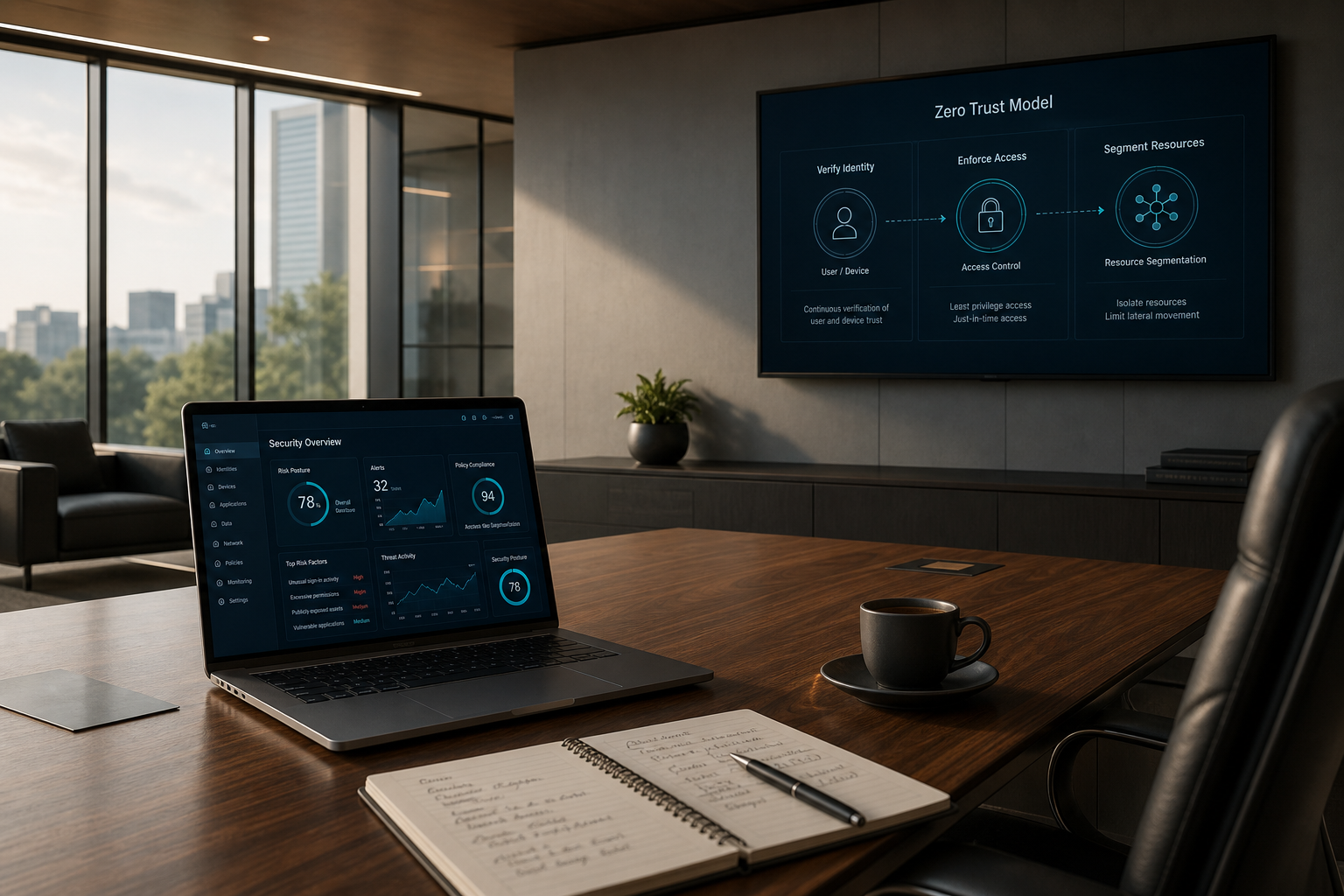
Advancing to Zero Trust: The Future of Secure Business Operations
Advancing to Zero Trust: The Future of Secure Business Operations At its core, Zero Trust is built on a simple principle: never trust, always verify.
Advancing to Zero Trust: The Future of Secure Business Operations At its core, Zero Trust is built on a simple principle: never trust, always verify.
Read full post on oxen.tech
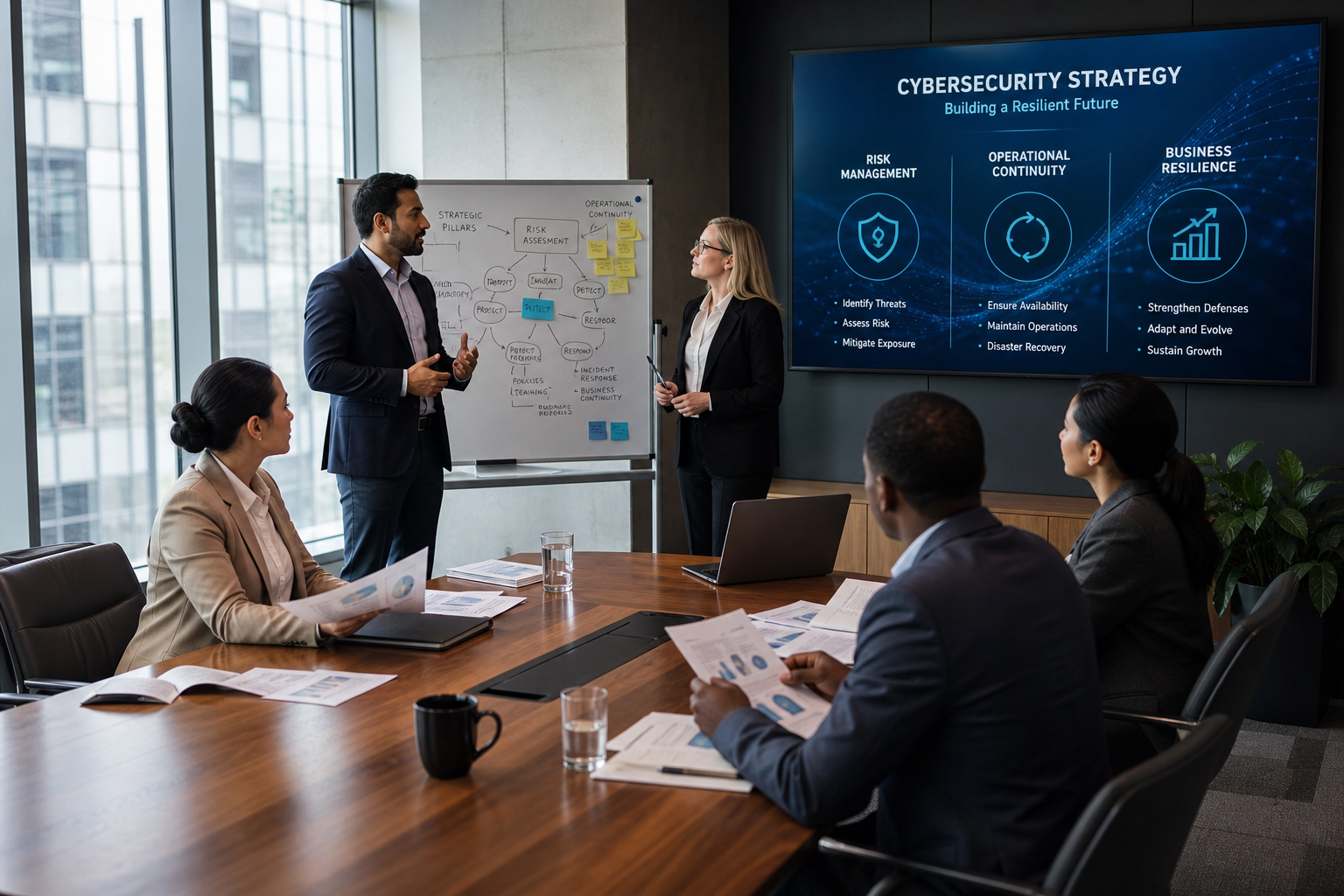
Turning Cybersecurity Into a Business Advantage Through Executive Leadership
Turning Cybersecurity Into a Business Advantage Through Executive Leadership For many years, organizations viewed cybersecurity as a necessary operational expense.
Turning Cybersecurity Into a Business Advantage Through Executive Leadership For many years, organizations viewed cybersecurity as a necessary operational expense.
Read full post on oxen.tech

From Microsoft 365 Visibility to Business Resilience
From Microsoft 365 Visibility to Business Resilience Resilience Starts With Understanding Risk The strongest organizations are not those that avoid every challenge.
From Microsoft 365 Visibility to Business Resilience Resilience Starts With Understanding Risk The strongest organizations are not those that avoid every challenge.
Read full post on oxen.tech
Failed to load more articles
You're all caught up!
Check back later for more profile news.
We're in this industry because we know and understand it, providing Managed IT Services, Cloud Solutions, Consulting, and IT Service & Support to organizations across the Midwest.
WHAT MAKES US "OXEN STRONG?"
History, heritage and legacy mean a lot to us.
We’ve been an established IT company since 1985, weathering the ups and downs of the evolving technology industry. Our reliable people and solutions have proven that we have a track record of serving well and being a strong IT partner for each of our clients.
WHAT WE VALUE
Local Organizations: To us, working with local organizations means we’re involved in strengthening our communities. We think organizations of any size deserve the best technology that fits their needs.
Effortless Technology: There's a lot of jargon out there, but we make technology simple. We help our clients fully leverage their technology even without all the technical know-how.
Collaborative Thinking: We bring together the knowledge and experience of leading technology providers to give our clients a strong, team-based service that’s reliable and trusted.
HISTORY
Heartland Technology Solutions renamed to OXEN Technology in 2016!
Firewall Security Is About Business Continuity, Not Technology
Firewall Security Is About Business Continuity, Not Technology When executive teams discuss business continuity, the conversation often centers around disaster recovery, data backups, insurance coverage, staffing, supply chains, and operational planning.
Firewall Security Is About Business Continuity, Not Technology When executive teams discuss business continuity, the conversation often centers around disaster recovery, data backups, insurance coverage, staffing, supply chains, and operational planning.
Read full post on oxen.tech
The Hidden Business Risk Sitting at the Edge of Every Organization
The Hidden Business Risk Sitting at the Edge of Every Organization Business leaders spend considerable time evaluating risk. Financial risk. Operational risk. Regulatory risk. Strategic risk.
The Hidden Business Risk Sitting at the Edge of Every Organization Business leaders spend considerable time evaluating risk. Financial risk. Operational risk. Regulatory risk. Strategic risk.
Read full post on oxen.tech
How Managed Patching Supports Broader Business Objectives
How Managed Patching Supports Broader Business Objectives Reliable technology operations are supported by multiple disciplines working together.
How Managed Patching Supports Broader Business Objectives Reliable technology operations are supported by multiple disciplines working together.
Read full post on oxen.tech
Why Your Windows PIN Might Stop Working After the Latest Update
Why Your Windows PIN Might Stop Working After the Latest Update (And What to Do About It) October 2026 | OXEN Technology Blog
Why Your Windows PIN Might Stop Working After the Latest Update (And What to Do About It) October 2026 | OXEN Technology Blog
Read full post on oxen.tech
Beyond Deployment: The Value of Patching Visibility and Oversight
Beyond Deployment: The Value of Patching Visibility and Oversight Modern patch management has come a long way.
Beyond Deployment: The Value of Patching Visibility and Oversight Modern patch management has come a long way.
Read full post on oxen.tech
Why Scheduled Maintenance Windows Improve Technology Reliability
Why Scheduled Maintenance Windows Improve Technology Reliability Successful technology management requires balancing two important priorities: maintaining current systems and supporting uninterrupted business operations.
Why Scheduled Maintenance Windows Improve Technology Reliability Successful technology management requires balancing two important priorities: maintaining current systems and supporting uninterrupted business operations.
Read full post on oxen.tech
The Value of Consistent Patch Management in Modern IT Operations
The Value of Consistent Patch Management in Modern IT Operations Every organization relies on technology to support productivity, communication, customer service, and day-to-day operations. Yet one of the most fundamental responsibilities in maintaining a healthy technology environment is often one of the most overlooked: patch management.
The Value of Consistent Patch Management in Modern IT Operations Every organization relies on technology to support productivity, communication, customer service, and day-to-day operations. Yet one of the most fundamental responsibilities in maintaining a healthy technology environment is often one of the most overlooked: patch management.
Read full post on oxen.tech
Advancing to Zero Trust: The Future of Secure Business Operations
Advancing to Zero Trust: The Future of Secure Business Operations At its core, Zero Trust is built on a simple principle: never trust, always verify.
Advancing to Zero Trust: The Future of Secure Business Operations At its core, Zero Trust is built on a simple principle: never trust, always verify.
Read full post on oxen.tech
Turning Cybersecurity Into a Business Advantage Through Executive Leadership
Turning Cybersecurity Into a Business Advantage Through Executive Leadership For many years, organizations viewed cybersecurity as a necessary operational expense.
Turning Cybersecurity Into a Business Advantage Through Executive Leadership For many years, organizations viewed cybersecurity as a necessary operational expense.
Read full post on oxen.tech
From Microsoft 365 Visibility to Business Resilience
From Microsoft 365 Visibility to Business Resilience Resilience Starts With Understanding Risk The strongest organizations are not those that avoid every challenge.
From Microsoft 365 Visibility to Business Resilience Resilience Starts With Understanding Risk The strongest organizations are not those that avoid every challenge.
Read full post on oxen.tech
Failed to load more articles
You're all caught up!
Check back later for more profile news.