
Choose the best IT support option below.


Vacation Season Is Peak Season for Cyberattacks — Here’s Why | LDD Consulting
Cybercriminals don't take vacation — and they know when your team does. The FBI and CISA have specifically warned that attackers time major ransomware attacks to coincide with holidays and long weekends, precisely because network defenders and IT support are running at limited capacity. Summer vacation schedules create those same conditions for weeks at a time: slower detection, easier impersonation, and more time to move through your systems before anyone notices.
Cybercriminals don't take vacation — and they know when your team does. The FBI and CISA have specifically warned that attackers time major ransomware attacks to coincide with holidays and long weekends, precisely because network defenders and IT support are running at limited capacity. Summer vacation schedules create those same conditions for weeks at a time: slower detection, easier impersonation, and more time to move through your systems before anyone notices.
Read full post on lddconsulting.com
Is Your incident Response Plan Actually Going to Work? | LDD Consulting
The only way to know if your incident response plan will actually work is to test it before a real attack forces you to find out. A tabletop exercise — a structured walkthrough where your team responds to a simulated cyberattack scenario — exposes the gaps, unclear roles, and outdated contact info that live inside every untested plan. Businesses that skip this step often discover their plan fails at the exact moment they need it most.
The only way to know if your incident response plan will actually work is to test it before a real attack forces you to find out. A tabletop exercise — a structured walkthrough where your team responds to a simulated cyberattack scenario — exposes the gaps, unclear roles, and outdated contact info that live inside every untested plan. Businesses that skip this step often discover their plan fails at the exact moment they need it most.
Read full post on lddconsulting.com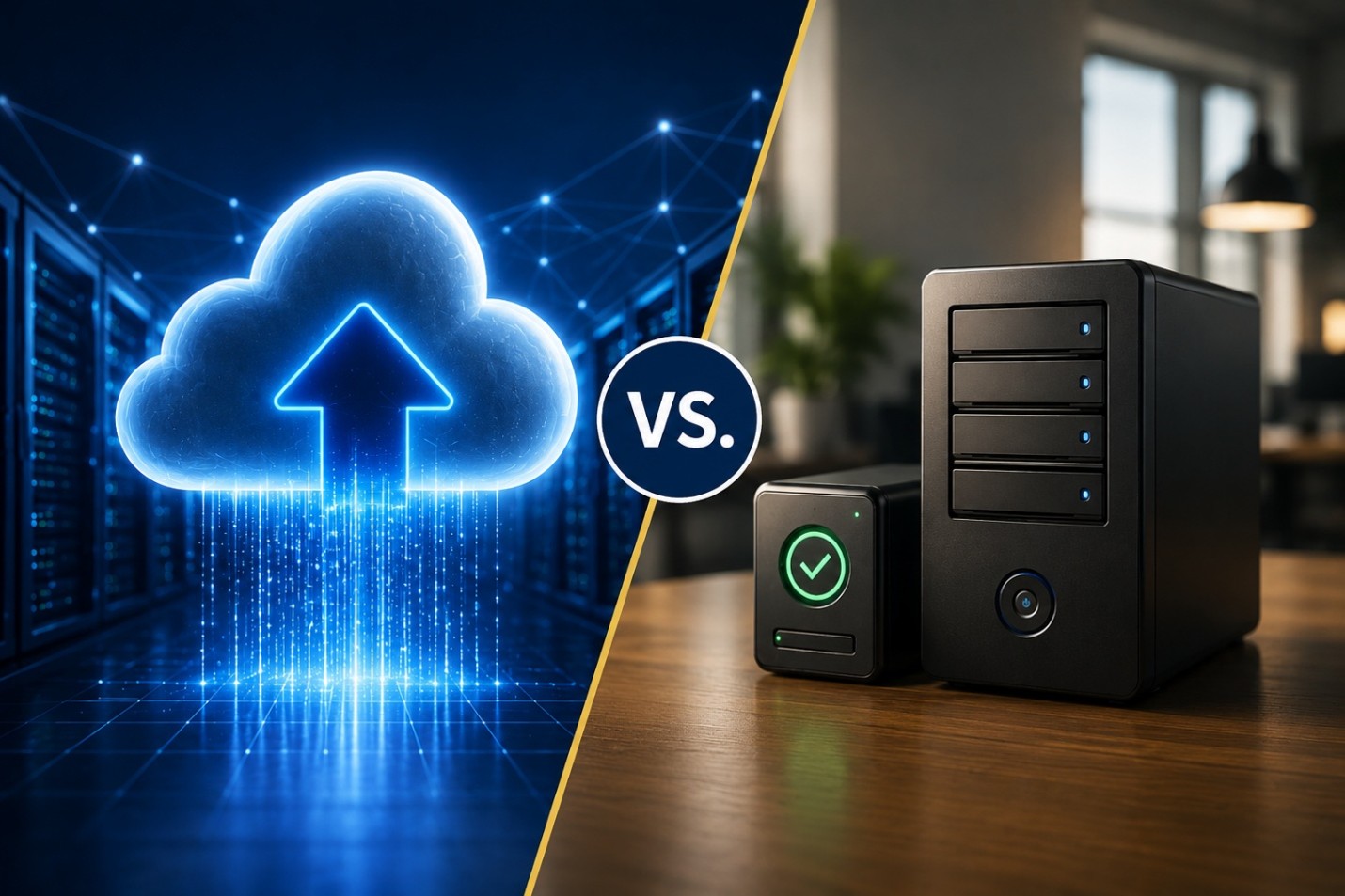
Cloud Backup vs. Local Backup: What’s Right for Your Business
Cloud backup stores your data offsite on remote servers accessible via the internet, while local backup stores it on physical devices at your location — and for most small businesses, the right answer isn't one or the other, but a combination of both. Each option has real strengths and real limitations, and the best fit depends on your business size, budget, industry, and how quickly you need to recover when something goes wrong.
Cloud backup stores your data offsite on remote servers accessible via the internet, while local backup stores it on physical devices at your location — and for most small businesses, the right answer isn't one or the other, but a combination of both. Each option has real strengths and real limitations, and the best fit depends on your business size, budget, industry, and how quickly you need to recover when something goes wrong.
Read full post on lddconsulting.com
Is Your Business Actually Compliant
IT compliance means meeting the legal, regulatory, and industry-specific requirements that govern how your business handles data, protects systems, and maintains records. Most small business owners assume they're covered — but without a deliberate review, it's easy to have gaps that expose you to fines, audits, or worse.
IT compliance means meeting the legal, regulatory, and industry-specific requirements that govern how your business handles data, protects systems, and maintains records. Most small business owners assume they're covered — but without a deliberate review, it's easy to have gaps that expose you to fines, audits, or worse.
Read full post on lddconsulting.com
The Real Cost of IT Downtime for Small Businesses
IT downtime costs small businesses far more than most owners expect — not just in lost productivity, but in missed revenue, damaged client relationships, emergency recovery fees, and in some cases, permanent data loss. The good news is that most downtime is preventable with the right IT infrastructure in place.
IT downtime costs small businesses far more than most owners expect — not just in lost productivity, but in missed revenue, damaged client relationships, emergency recovery fees, and in some cases, permanent data loss. The good news is that most downtime is preventable with the right IT infrastructure in place.
Read full post on lddconsulting.com
A Cyberattack Will Test Your Business: Does Your Team Have a Plan?
A cyber incident response plan (sometimes called an IRP) is a written playbook your business follows when something goes wrong — ransomware locks your files, an employee clicks a phishing link, a vendor gets breached and takes your data with them. It tells you who to call, what to shut down, what to document, and how to communicate with clients and staff.
A cyber incident response plan (sometimes called an IRP) is a written playbook your business follows when something goes wrong — ransomware locks your files, an employee clicks a phishing link, a vendor gets breached and takes your data with them. It tells you who to call, what to shut down, what to document, and how to communicate with clients and staff.
Read full post on lddconsulting.com
Business Data Backup Testing: Can You Actually Restore? | LDD Consulting
Most business owners think about cybersecurity the wrong way. They picture it as a single moment — the day they buy the software, hire the IT guy, or sign off on the policy. Box checked. Done. Back to running the business.
Most business owners think about cybersecurity the wrong way. They picture it as a single moment — the day they buy the software, hire the IT guy, or sign off on the policy. Box checked. Done. Back to running the business.
Read full post on lddconsulting.com
Common IT Problems Albuquerque Small Businesses Face | LDD Consulting
Most business owners think about cybersecurity the wrong way. They picture it as a single moment — the day they buy the software, hire the IT guy, or sign off on the policy. Box checked. Done. Back to running the business.
Most business owners think about cybersecurity the wrong way. They picture it as a single moment — the day they buy the software, hire the IT guy, or sign off on the policy. Box checked. Done. Back to running the business.
Read full post on lddconsulting.com
IT Security Training for Small Business Teams | LDD Consulting
Most business owners think about cybersecurity the wrong way. They picture it as a single moment — the day they buy the software, hire the IT guy, or sign off on the policy. Box checked. Done. Back to running the business.
Most business owners think about cybersecurity the wrong way. They picture it as a single moment — the day they buy the software, hire the IT guy, or sign off on the policy. Box checked. Done. Back to running the business.
Read full post on lddconsulting.com
What to Expect the First 90 Days With a Managed IT Provider
What to Expect the First 90 Days With a Managed IT Provider Most small business owners who start working with a managed IT provider have done their research. They understand why reactive IT is expensive. They’ve seen the cracks in their current setup — the systems nobody’s really watching, the backups nobody’s really verified, the ... Read more
What to Expect the First 90 Days With a Managed IT Provider Most small business owners who start working with a managed IT provider have done their research. They understand why reactive IT is expensive. They’ve seen the cracks in their current setup — the systems nobody’s really watching, the backups nobody’s really verified, the ... Read more
Read full post on lddconsulting.comFailed to load more articles
You're all caught up!
Check back later for more profile news.