
Synergy IT Solutions
Overview
Whether it’s running your day-to-day IT operations, big picture consultation and strategy, or anything in between, you’ll get solutions that add up to much more than the sum of their parts.
That’s Synergy. People and technology working in harmony.
How we help:
📝> Assessment, Design & Consulting Engineering Services
🗄 > Virtualization & Storage
🖥> Desktop & Document Management Solutions
⚙> Network & System Integration
🤝> Unified Collaboration for Small & Medium Business
✅> Procurement & Installation
⁉> Help Desk & Managed Services
🔎> Remote Monitoring Solutions
🛠> Service Assurance & Maintenance
Cheektowaga, New York
USA 14225
Whether it’s running your day-to-day IT operations, big picture consultation and strategy, or anything in between, you’ll get solutions that add up to much more than the sum of their parts.
That’s Synergy. People and technology working in harmony.
How we help:
📝> Assessment, Design & Consulting Engineering Services
🗄 > Virtualization & Storage
🖥> Desktop & Document Management Solutions
⚙> Network & System Integration
🤝> Unified Collaboration for Small & Medium Business
✅> Procurement & Installation
⁉> Help Desk & Managed Services
🔎> Remote Monitoring Solutions
🛠> Service Assurance & Maintenance


Why Your Compliance Audit Takes Weeks Instead of Days
For many organizations, audits do not fail. They just take far longer than they should. A request list comes in, and people start tracking down documentation. Evidence gets pulled from different systems. Policies are reviewed, sometimes rewritten on the fly. Then multiple teams get pulled in to piece everything together under a tight timeline. What should be a straightforward validation ends up taking weeks. There is a lot of coordination, a lot of back and forth, and usually more effort than anyone planned for. The audit itself usually is not the issue. It is everything that happens before it
For many organizations, audits do not fail. They just take far longer than they should. A request list comes in, and people start tracking down documentation. Evidence gets pulled from different systems. Policies are reviewed, sometimes rewritten on the fly. Then multiple teams get pulled in to piece everything together under a tight timeline. What should be a straightforward validation ends up taking weeks. There is a lot of coordination, a lot of back and forth, and usually more effort than anyone planned for. The audit itself usually is not the issue. It is everything that happens before it.
Read full post on synergyits.com

The Most Common Compliance Gaps We See and How They Put Your Business at Risk
Most organizations believe they are compliant. Policies are written. Security tools are in place. Audits have been completed. At a glance, everything looks aligned. Look closer, though, and the gaps start to appear. Not because anyone is ignoring compliance, but because keeping it aligned across a modern environment is harder than it sounds. Requirements change. Systems evolve. Processes that worked a year or two ago drift out of sync. It often does not stand out until something forces a closer review.
Most organizations believe they are compliant. Policies are written. Security tools are in place. Audits have been completed. At a glance, everything looks aligned. Look closer, though, and the gaps start to appear. Not because anyone is ignoring compliance, but because keeping it aligned across a modern environment is harder than it sounds. Requirements change. Systems evolve. Processes that worked a year or two ago drift out of sync. It often does not stand out until something forces a closer review.
Read full post on synergyits.com

What We Learned from Executives About Driving Performance in 2026
Most leadership teams are not short on strategy right now. They know where they are trying to go. The goals are clear, the direction is set, and there is usually no shortage of ambition. What is harder is turning that clarity into day-to-day execution that moves at the pace the business demands. That is where friction starts to appear. It rarely announces itself. It builds quietly in the space between what an organization intends to do and what its systems and processes actually make possible.
Most leadership teams are not short on strategy right now. They know where they are trying to go. The goals are clear, the direction is set, and there is usually no shortage of ambition. What is harder is turning that clarity into day-to-day execution that moves at the pace the business demands. That is where friction starts to appear. It rarely announces itself. It builds quietly in the space between what an organization intends to do and what its systems and processes actually make possible.
Read full post on synergyits.com
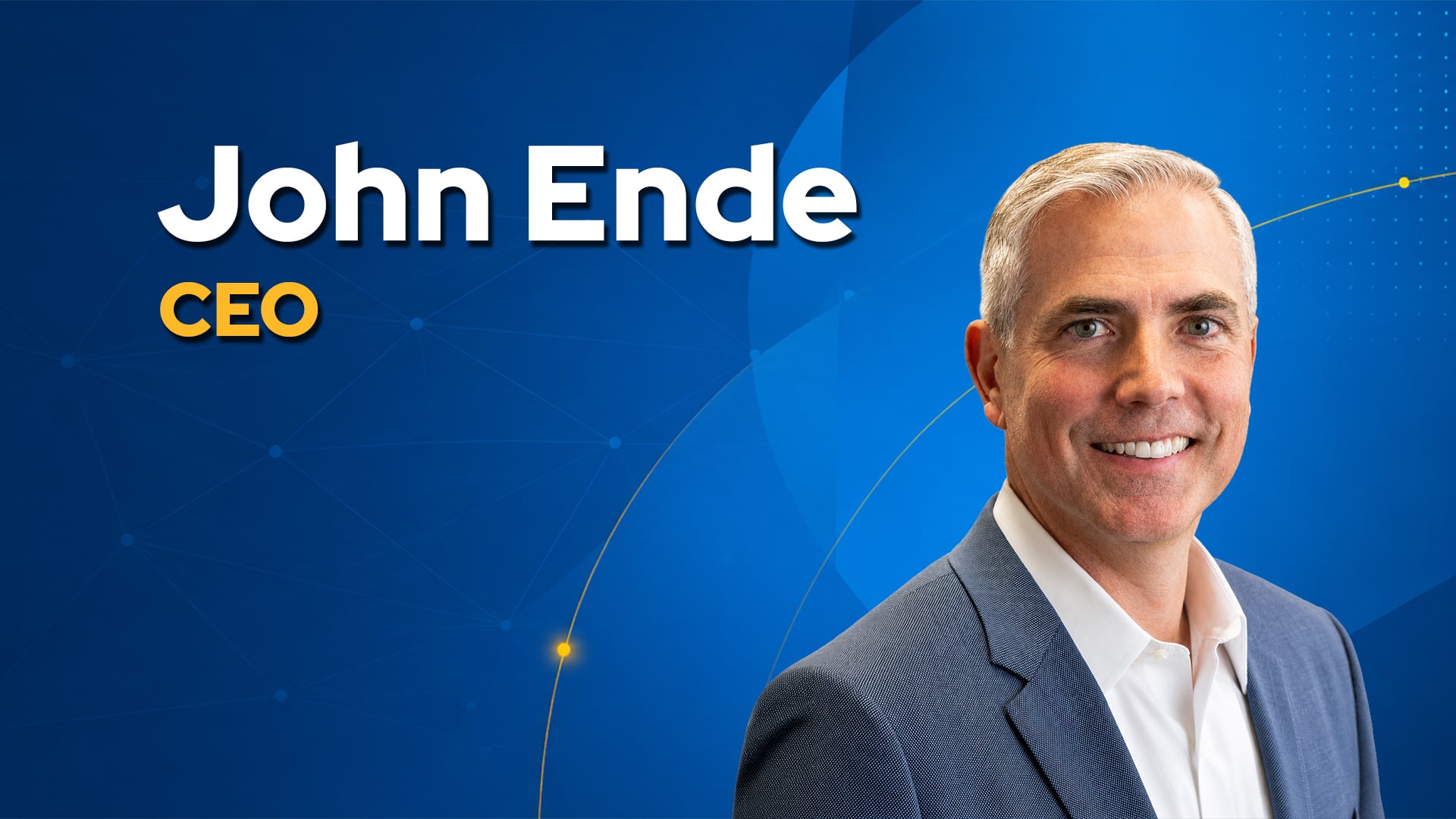
Synergy IT Solutions Appoints John Ende as Chief Executive Officer
Accomplished Executive and ESOP Leader to Guide Company's Next Phase of Growth
Accomplished Executive and ESOP Leader to Guide Company's Next Phase of Growth
Read full post on synergyits.com

Connected Customer Experiences Start with Connected Organizations
Customers rarely think about how a company is organized behind the scenes.
Customers rarely think about how a company is organized behind the scenes.
Read full post on synergyits.com

Where AI Actually Saves Time Today and Where It Doesn't
AI is being applied faster than most organizations can realistically support. The promise is real: automating tasks, generating content, analyzing data, and supporting decisions. There is real value there. At the same time, the excitement has blurred the line between where AI works well and where it struggles. The companies seeing real results are not always the ones spending the most. They are the ones being more deliberate about how they use it and where they apply it.
AI is being applied faster than most organizations can realistically support. The promise is real: automating tasks, generating content, analyzing data, and supporting decisions. There is real value there. At the same time, the excitement has blurred the line between where AI works well and where it struggles. The companies seeing real results are not always the ones spending the most. They are the ones being more deliberate about how they use it and where they apply it.
Read full post on synergyits.com

The State of Business Performance in 2026
Across the organizations we work with, performance is getting harder to define, not easier. For a long time, the familiar metrics did the job: revenue growth, profitability, customer acquisition. Those still matter. But leaders are paying more attention to what sits underneath those numbers: how efficiently the organization operates, how quickly it can respond when something changes, and how consistently it can execute without burning people out in the process. Results still count. But so does the system producing them, and that part of the conversation is getting harder to ignore.
Across the organizations we work with, performance is getting harder to define, not easier. For a long time, the familiar metrics did the job: revenue growth, profitability, customer acquisition. Those still matter. But leaders are paying more attention to what sits underneath those numbers: how efficiently the organization operates, how quickly it can respond when something changes, and how consistently it can execute without burning people out in the process. Results still count. But so does the system producing them, and that part of the conversation is getting harder to ignore.
Read full post on synergyits.com

Your CRM, Accounting Software, and Email Aren’t Talking to Each Other, and It’s Costing You
In most environments, the CRM, accounting system, and email platform all do what they were bought to do. Each tool works on its own. The real issue is not how those systems function individually. It is what happens between them. In practice, very little work actually lives inside a single system. Processes move across departments, rely on multiple tools, and depend on information staying consistent from one place to another. When those systems aren't connected, the job of keeping everything aligned falls to people. And that's where things start to get expensive.
In most environments, the CRM, accounting system, and email platform all do what they were bought to do. Each tool works on its own. The real issue is not how those systems function individually. It is what happens between them. In practice, very little work actually lives inside a single system. Processes move across departments, rely on multiple tools, and depend on information staying consistent from one place to another. When those systems aren't connected, the job of keeping everything aligned falls to people. And that's where things start to get expensive.
Read full post on synergyits.com

Connecting the Dots: Why Disconnected Systems Are Killing Productivity
Most systems are not failing. They are just not working together. The CRM is doing its job. The accounting system is doing its job. Email is doing its job. The problem is not the tools themselves. It is what happens, or more accurately what does not happen, when they are expected to work together.
Most systems are not failing. They are just not working together. The CRM is doing its job. The accounting system is doing its job. Email is doing its job. The problem is not the tools themselves. It is what happens, or more accurately what does not happen, when they are expected to work together.
Read full post on synergyits.com

The 3 Biggest Operational Bottlenecks We're Seeing Right Now
When performance starts to lag, most organizations focus on output. How much work is getting done. How fast projects are moving. Whether deadlines are being hit. What gets less attention is what is slowing that output down in the first place. Across the organizations we work with, the bottlenecks are not especially unique. They show up in different ways, but the patterns are consistent. In many cases, they are sitting right out in the open.
When performance starts to lag, most organizations focus on output. How much work is getting done. How fast projects are moving. Whether deadlines are being hit. What gets less attention is what is slowing that output down in the first place. Across the organizations we work with, the bottlenecks are not especially unique. They show up in different ways, but the patterns are consistent. In many cases, they are sitting right out in the open.
Read full post on synergyits.com
Failed to load more articles
You're all caught up!
Check back later for more profile news.