
Mindcore Technologies
As world-class subject matter experts in applied information technologies, we focus on relevant & high impact client solutions & endeavor to maintain an unmatched commitment to the highest standards in technology infrastructure and discipline.

Where to Get Emergency Ransomware Help When Your Business Is Under Attack
When ransomware is active in your environment, the most damaging decision you can make is spending the first hour trying to figure out who to call. Every minute between detection and expert engagement is additional encryption across your environment. The attacker has already had days or weeks in your network. The preparation they completed during
When ransomware is active in your environment, the most damaging decision you can make is spending the first hour trying to figure out who to call. Every minute between detection and expert engagement is additional encryption across your environment. The attacker has already had days or weeks in your network. The preparation they completed during
Read full post on mind-core.com
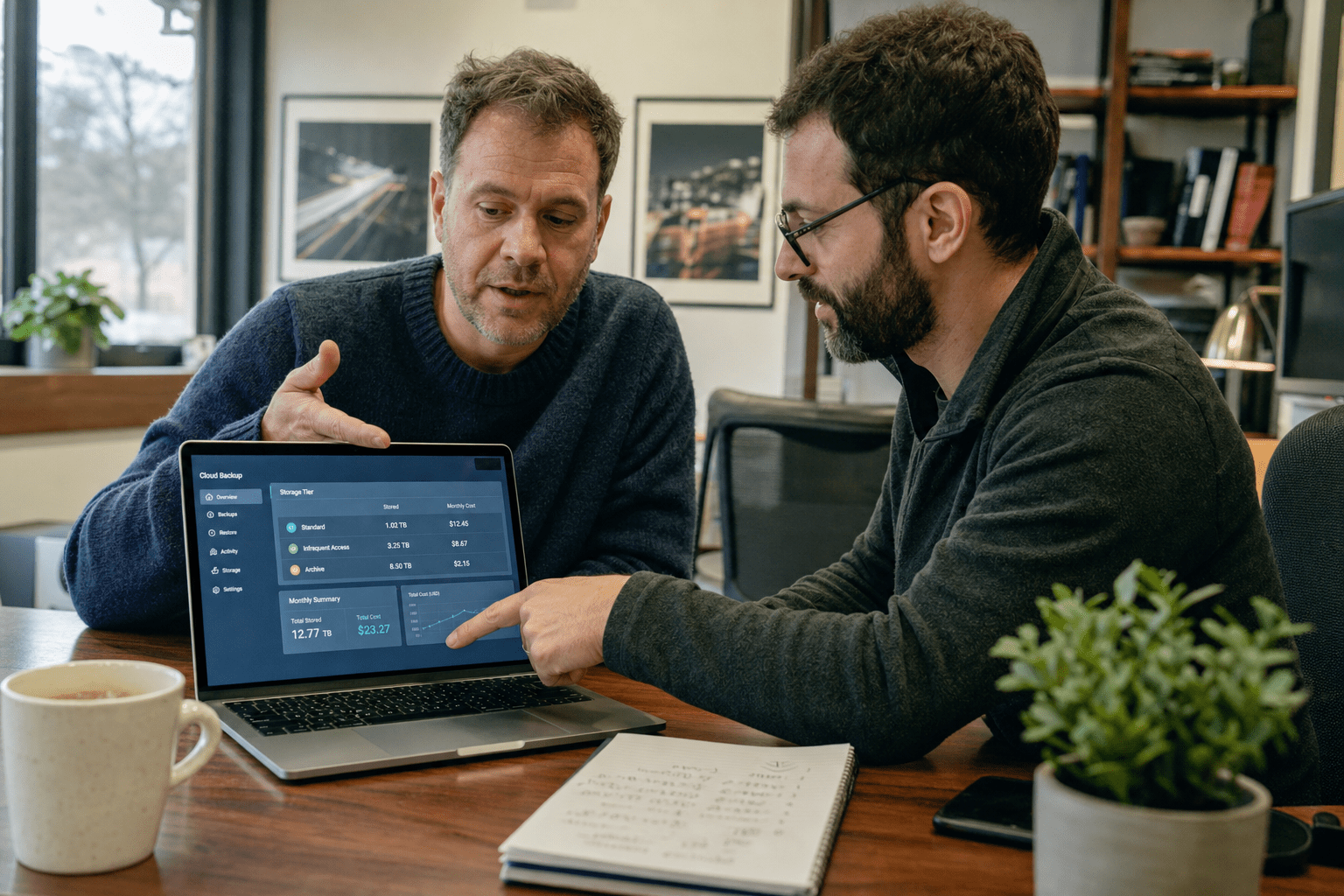
How Small Businesses Can Afford Enterprise-Level Backup Solutions
Small businesses can now access Enterprise Level Backup Solutions by leveraging cloud tiers and managed services, avoiding the need to purchase costly hardware and hire dedicated staff. Enterprise Level Backup Solutions include critical features like immutability, offsite replication, rapid recovery, and verified restores, delivered via subscription models tailored per device or terabyte. You pay for
Small businesses can now access Enterprise Level Backup Solutions by leveraging cloud tiers and managed services, avoiding the need to purchase costly hardware and hire dedicated staff. Enterprise Level Backup Solutions include critical features like immutability, offsite replication, rapid recovery, and verified restores, delivered via subscription models tailored per device or terabyte. You pay for
Read full post on mind-core.com

Emergency Ransomware Help: What to Do in the First 24 Hours
If ransomware is active in your environment right now, this article is written for you. The decisions made in the first 24 hours determine whether this incident is contained and recovered in days or whether it becomes an extended crisis measured in weeks. The sequence matters. Actions taken out of order consistently produce worse outcomes
If ransomware is active in your environment right now, this article is written for you. The decisions made in the first 24 hours determine whether this incident is contained and recovered in days or whether it becomes an extended crisis measured in weeks. The sequence matters. Actions taken out of order consistently produce worse outcomes
Read full post on mind-core.com
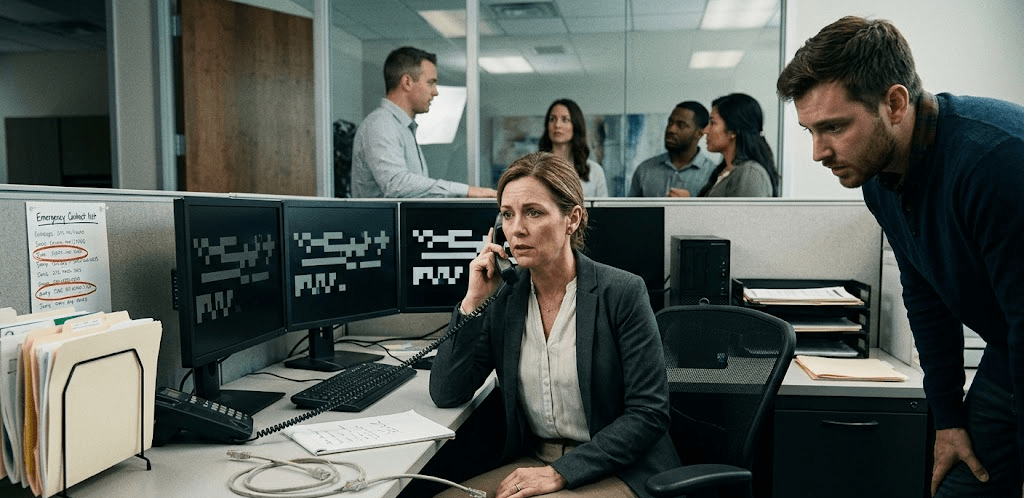
Emergency Ransomware Help for Small Businesses: Who to Call and What to Expect
Ransomware does not discriminate by organization size. Small businesses are targeted specifically because attackers know they typically have less security infrastructure, fewer IT resources, and more pressure to pay quickly to restore operations than larger organizations. If ransomware is active in your small business right now, this article tells you exactly who to call, in
Ransomware does not discriminate by organization size. Small businesses are targeted specifically because attackers know they typically have less security infrastructure, fewer IT resources, and more pressure to pay quickly to restore operations than larger organizations. If ransomware is active in your small business right now, this article tells you exactly who to call, in
Read full post on mind-core.com

IT Consulting for Professional Services Firms: What to Look For
IT consulting for professional services firms works best when it protects two assets at once: the billable hour and the client’s trust. A law firm, accounting practice, or advisory group does not sell technology, it sells expert time and confidentiality. The right consulting partner treats every system decision through that lens, so downtime that stops
IT consulting for professional services firms works best when it protects two assets at once: the billable hour and the client’s trust. A law firm, accounting practice, or advisory group does not sell technology, it sells expert time and confidentiality. The right consulting partner treats every system decision through that lens, so downtime that stops
Read full post on mind-core.com
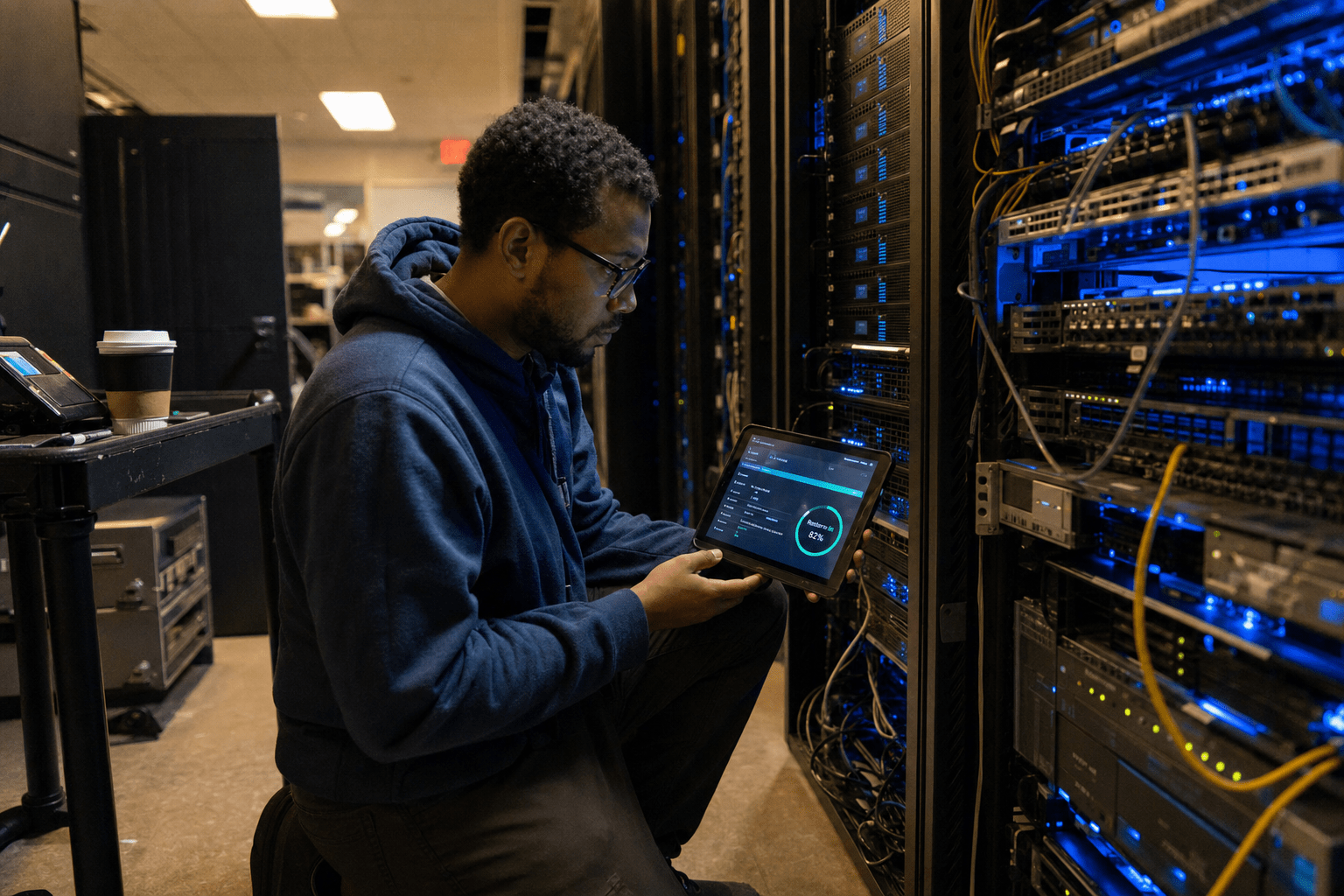
Backup and Disaster Recovery in Orlando FL: A Buyer’s Guide
Backup and disaster recovery in Orlando FL has to answer two threats in the same plan: a hurricane that takes out the building, and ransomware that locks the data inside it. Most vendors design for one and hope the other never arrives. That is the gap we see in the wild across Central Florida. A
Backup and disaster recovery in Orlando FL has to answer two threats in the same plan: a hurricane that takes out the building, and ransomware that locks the data inside it. Most vendors design for one and hope the other never arrives. That is the gap we see in the wild across Central Florida. A
Read full post on mind-core.com
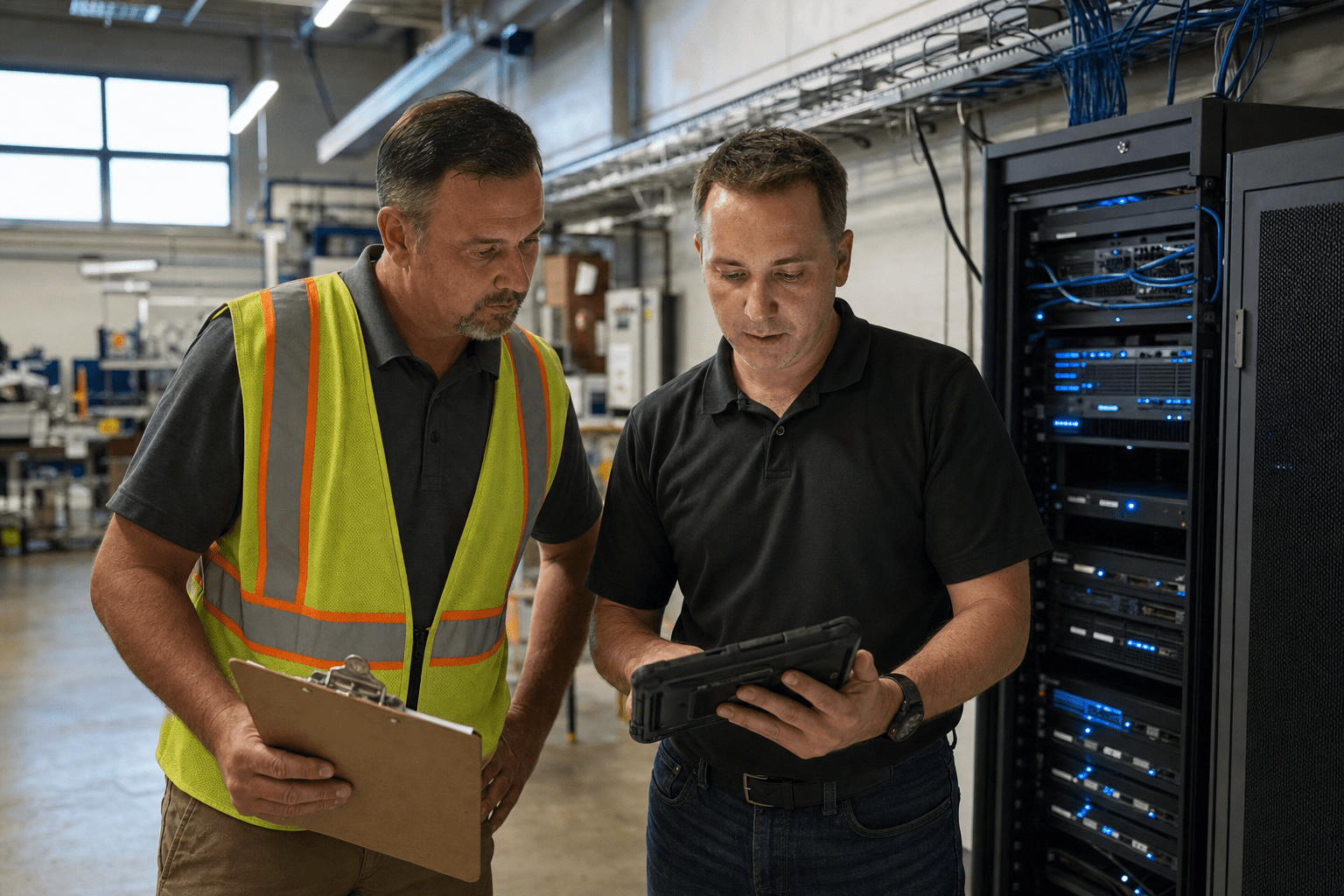
Backup and Disaster Recovery in Greenville SC: A Buyer’s Guide
Backup and disaster recovery in Greenville SC is judged by how fast a business gets back to work, and in the Upstate that usually means a production line or an operations floor, not just a file server. The region runs on manufacturing, distribution, and the offices that support them, so a stalled system is stalled
Backup and disaster recovery in Greenville SC is judged by how fast a business gets back to work, and in the Upstate that usually means a production line or an operations floor, not just a file server. The region runs on manufacturing, distribution, and the offices that support them, so a stalled system is stalled
Read full post on mind-core.com

AI-Powered Ransomware: What the Next Generation of Attacks Looks Like
Ransomware has always evolved. The shift from opportunistic mass attacks to targeted enterprise campaigns took years. The industrialization of attacks through Ransomware as a Service took additional years. The integration of artificial intelligence into ransomware operations is happening faster than either of those transitions, and its implications are more significant. AI does not change what
Ransomware has always evolved. The shift from opportunistic mass attacks to targeted enterprise campaigns took years. The industrialization of attacks through Ransomware as a Service took additional years. The integration of artificial intelligence into ransomware operations is happening faster than either of those transitions, and its implications are more significant. AI does not change what
Read full post on mind-core.com
Ransomware as a Service (RaaS): Why Attacks Are Getting Easier to Launch
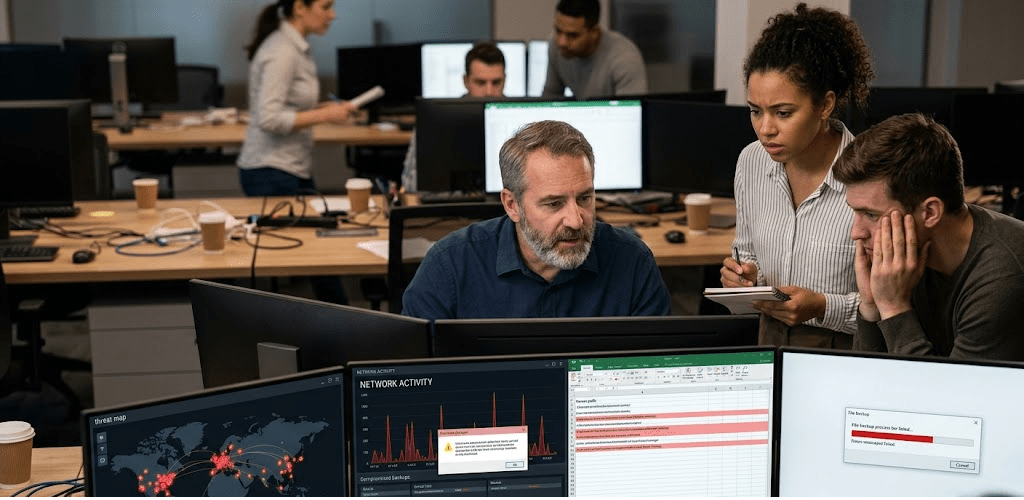
A decade ago, launching a sophisticated ransomware attack required technical expertise that was genuinely difficult to acquire. Writing the malware, building the command-and-control infrastructure, managing encryption key distribution, and handling victim negotiation were all capabilities that limited ransomware operations to a relatively small number of technically sophisticated actors. That barrier no longer exists. Ransomware as
A decade ago, launching a sophisticated ransomware attack required technical expertise that was genuinely difficult to acquire. Writing the malware, building the command-and-control infrastructure, managing encryption key distribution, and handling victim negotiation were all capabilities that limited ransomware operations to a relatively small number of technically sophisticated actors. That barrier no longer exists. Ransomware as
Read full post on mind-core.com
Network Security in New Jersey, a Buyer’s Guide for SMBs
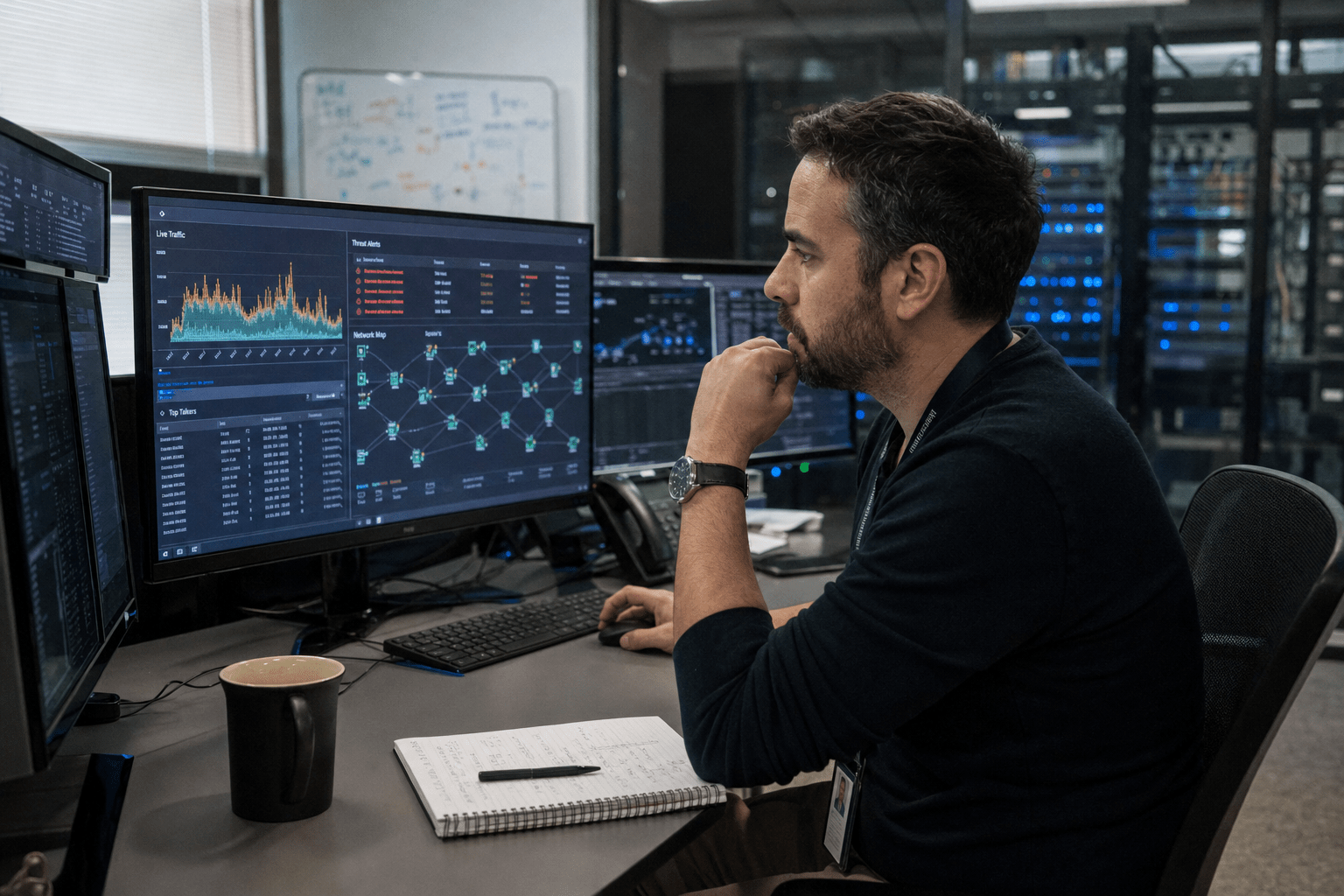
Buying network security in New Jersey comes down to matching four controls to how your business actually operates: a managed firewall, continuous monitoring, segmented access, and a tested response plan. Most small and midsize firms here overpay for one of these and skip another, usually buying a nice firewall and leaving monitoring unstaffed overnight. We
Buying network security in New Jersey comes down to matching four controls to how your business actually operates: a managed firewall, continuous monitoring, segmented access, and a tested response plan. Most small and midsize firms here overpay for one of these and skip another, usually buying a nice firewall and leaving monitoring unstaffed overnight. We
Read full post on mind-core.com
Failed to load more articles
You're all caught up!
Check back later for more profile news.