What's your biggest IT challenge?
Discover leading Managed IT Service Providers across USA, Canada & the United Kingdom.
- 100s of leading MSPs
- Find a MSP near you
- Latest IT news for SMBs


Understanding Penetration Testing: Frontline Defense Against Cyber Threats
In today's interconnected business environment, cybersecurity isn't just an IT concern—it's a fundamental business imperative. Through our partnership with Ideal Integrations, we're proud to offer comprehensive penetration testing services that help organizations identify and address security vulnerabilities before they can be exploited. What is Penetration Testing? Penetration testing, often called "pen testing," is a controlled simulation of a cyber attack on your systems. Unlike automated vulnerability scans, pen testing involves skilled security professionals actively attempting to fi
In today's interconnected business environment, cybersecurity isn't just an IT concern—it's a fundamental business imperative. Through our partnership with Ideal Integrations, we're proud to offer comprehensive penetration testing services that help organizations identify and address security vulnerabilities before they can be exploited. What is Penetration Testing? Penetration testing, often called "pen testing," is a controlled simulation of a cyber attack on your systems. Unlike automated vulnerability scans, pen testing involves skilled security professionals actively attempting to find and exploit weaknesses in your defenses—just as a real attacker would, but with one crucial difference: the goal is to help you improve your security, not compromise it. Why Your Business Needs Penetration Testing The statistics are sobering: 60% of small businesses close within six months of a cyber attack The average cost of a data breach reached $4.35 million in 2023 95% of cybersecurity breaches are caused by human error Regular penetration testing helps you: Identify vulnerabilities in your systems before malicious actors do Meet compliance requirements for standards like PCI DSS, HIPAA, and ISO 27001 Validate your existing security measures Train your staff to recognize security threats Protect your reputation and customer trust Our Partnership Approach to Security Through our collaboration with Ideal Integrations, we bring you: Expert Offensive Security Teams Our partner's certified security professionals bring decades of combined experience in identifying and exploiting security vulnerabilities across diverse systems and industries. Comprehensive Testing Methodology Ideal Integrations conducts penetration testing based on Penetration Testing Execution Standard (PTES) guidelines. For an in-depth view of the PTES methodology, you can visit the PTES Website. Our penetration testing service covers: Network & Host Security Testing External Penetration Testing Internal Penetration Testing Wireless Penetration Testing Application Security Testing Hardware Security Testing Cloud Security Assessment Physical Security Assessments Clear, Actionable Reporting After each test, you receive: An executive summary for leadership teams Detailed technical findings Risk-based remediation recommendations Step-by-step guidance for addressing vulnerabilities Ongoing support through the remediation process What to Expect During a Penetration Test Scoping and Planning Define testing boundaries and objectives Identify critical systems and concerns Establish emergency contacts and procedures Testing Phase Reconnaissance and information gathering Vulnerability identification Controlled exploitation attempts Privilege escalation testing Post-exploitation analysis Reporting and Review Comprehensive findings documentation Risk severity rankings Strategic recommendations Executive briefing Technical team debriefs Remediation Support Prioritized action items Technical guidance Follow-up testing Continuous improvement recommendations Real-World Impact Consider this recent case study: A mid-sized financial services firm underwent their first penetration test with our partner company Ideal Integrations. The Offensive Security team, also known as the “Red Team” identified several critical vulnerabilities, including: An unpatched remote access system Weak password policies Unsecured legacy applications Insufficient network segmentation By addressing these issues, the firm prevented potential breaches that could have exposed sensitive client data and resulted in significant financial and reputational damage. Key Considerations Selecting the right penetration testing partner is crucial for getting meaningful results that come with tangible recommendations to improve your security posture. Here are the essential factors to evaluate: Certifications and Expertise: Your testing partner should employ security professionals with industry-recognized certifications such as Offensive Security Certified Professional (OSCP), Certified Ethical Hacker (CEH), or Global Information Assurance Penetration Tester (GPEN). This demonstrates their commitment to maintaining the highest standards of security testing expertise. Testing Methodology: Look for a partner who follows established frameworks like Open Source Security Testing Methodology Manual (OSSTMM) or Penetration Testing Execution Standard (PTES), combining both automated tools and manual testing techniques to provide comprehensive coverage of your systems. Reporting Quality: Your testing partner should deliver clear, actionable reports that include both executive summaries and detailed technical findings, with practical recommendations prioritized by risk level. Communication and Support: Choose a partner who maintains open communication channels throughout the testing process and provides dedicated support during both the assessment and remediation phases. Legal and Compliance Considerations: Ensure your testing partner maintains proper insurance coverage, understands relevant compliance requirements, and has established procedures for handling sensitive data and potential incidents during testing. Getting Started The best time to test your security is before an incident occurs. Our partnership with Ideal Integrations allows us to offer flexible testing options tailored to your organization's size, industry, and specific concerns. Ready to take the first step in strengthening your security posture? Contact us to: Schedule a free consultation Discuss your specific security concerns Learn more about our partnership approach Don't wait for a breach to expose your vulnerabilities. Contact our team today to learn how our penetration testing services can help protect your business.
Read full post on 1path.comMSPdb™ News


The complete guide to ransomware-resilient backup.
Ransomware-resilient backup is a backup setup that stays recoverable after attackers get into your production systems, your administrator credentials, or part of the backup environment itself. It rests on protected copies, isolation, separate access controls, encryption, monitoring, retention that reaches back far enough, and regular recovery tests. Those tests also give you evidence that critical
Ransomware-resilient backup is a backup setup that stays recoverable after attackers get into your production systems, your administrator credentials, or part of the backup environment itself. It rests on protected copies, isolation, separate access controls, encryption, monitoring, retention that reaches back far enough, and regular recovery tests. Those tests also give you evidence that critical
Read full post on magna5.com
Is Specialized Managed IT and OT Support Worth the Cost for a Midsize Manufacturer?


On Premise Versus Cloud Servers for Business
Compare on premise versus cloud servers for security, cost, uptime, and growth. Make a practical infrastructure decision for your business confidently.
Compare on premise versus cloud servers for security, cost, uptime, and growth. Make a practical infrastructure decision for your business confidently.
Read full post on rj-pro.net

What Buyers Actually Look For in a Home Care Agency’s Books Before They Close
Guest post by Chris Williams, CEO of System Six. The short answer: Buyers, and the lenders and quality of earnings (QoE) analysts working for them, don’t spend much time on the P&L itself that a seller hands over – they dig...
Guest post by Chris Williams, CEO of System Six. The short answer: Buyers, and the lenders and quality of earnings (QoE) analysts working for them, don’t spend much time on the P&L itself that a seller hands over – they dig...
Read full post on ittotalcare.com

Telehealth IT: Keeping Virtual Visits Secure
Telehealth IT: Keeping Virtual Visits Secure | LG Networks Your 2:15 PM patient logs on right on time. Thirty seconds later, your image freezes mid-sentence in an expression nobody would pick for a portrait, and the audio drops out completely. By the time everyone reconnects, what once was a 15-minute visit has now eaten half
Telehealth IT: Keeping Virtual Visits Secure | LG Networks Your 2:15 PM patient logs on right on time. Thirty seconds later, your image freezes mid-sentence in an expression nobody would pick for a portrait, and the audio drops out completely. By the time everyone reconnects, what once was a 15-minute visit has now eaten half
Read full post on lgnetworksinc.com

How to Reduce IT Infrastructure Costs Without Sacrificing Performance
Facing rising infrastructure costs, aging servers, or VMware decisions? See how Scale Computing offers a simpler approach to virtualization, infrastructure, and disaster recovery, as discussed in our webinar. Watch the webinar below ↓↓ For many businesses, the question around IT infrastructure is no longer simply, “Do we need new servers?” The bigger question is:
Facing rising infrastructure costs, aging servers, or VMware decisions? See how Scale Computing offers a simpler approach to virtualization, infrastructure, and disaster recovery, as discussed in our webinar. Watch the webinar below ↓↓ For many businesses, the question around IT infrastructure is no longer simply, “Do we need new servers?” The bigger question is:
Read full post on turnkeysol.com

Charles IT at the ACM Aerospace Alley Tradeshow
Meet the Charles IT team helping manufacturers reduce technology friction and keep critical work moving.
Meet the Charles IT team helping manufacturers reduce technology friction and keep critical work moving.
Read full post on charlesit.com

Network Infrastructure Management Services: A Multi-Site Standards and Exceptions Checklist
A practical checklist for network infrastructure management services across multiple locations, covering shared standards, approved exceptions, clear ownership, and checks that confirm critical workflows work.
A practical checklist for network infrastructure management services across multiple locations, covering shared standards, approved exceptions, clear ownership, and checks that confirm critical workflows work.
Read full post on ctmsit.com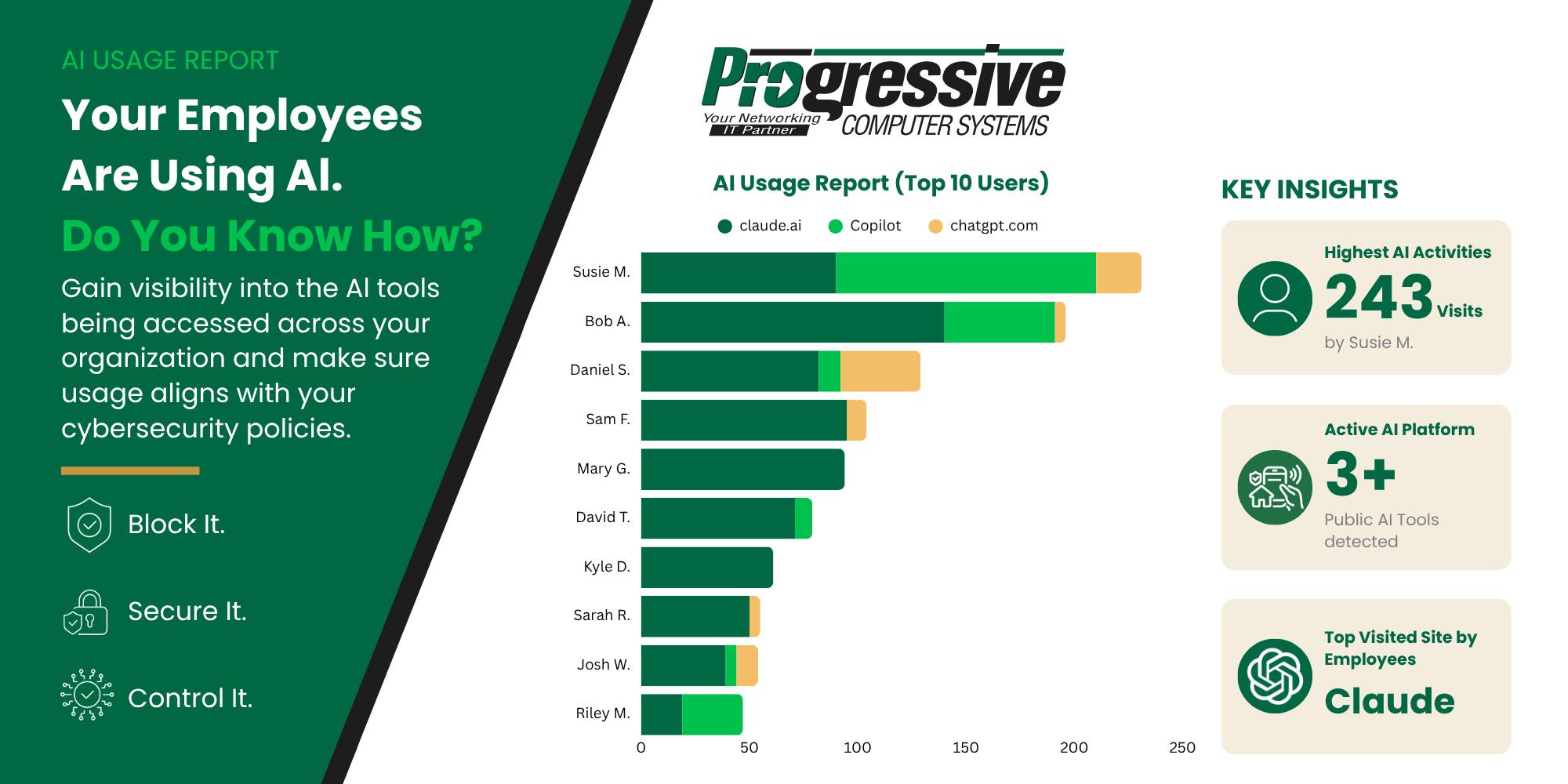
Secure AI Services



PHP2Shell Vulnerability Oct 21, 2026: How to Secure Your Website
PHP2Shell Vulnerability: How to Check, Patch, and Secure Your Website Updated: October 21, 2026 | IT GOAT Security Advisory Two critical PHP security vulnerabilities, CVE-2026-109618 and CVE-2026-109619, have prompted emergency security updates for web servers worldwide. Collectively known as PHP2Shell, these vulnerabilities can allow unauthenticated attackers to execute malicious code or expose sensitive server memory
PHP2Shell Vulnerability: How to Check, Patch, and Secure Your Website Updated: October 21, 2026 | IT GOAT Security Advisory Two critical PHP security vulnerabilities, CVE-2026-109618 and CVE-2026-109619, have prompted emergency security updates for web servers worldwide. Collectively known as PHP2Shell, these vulnerabilities can allow unauthenticated attackers to execute malicious code or expose sensitive server memory
Read full post on itgoat.com
Just Added to MSPdb™