AI Enablement
AI news, Copilot updates, and automation strategies for managed service providers.
MSPdb™ News


Copilot vs ChatGPT: Which One Should Your Business Actually Pay For?
Copilot vs ChatGPT for business: what each one does, what it costs in 2026, how each handles your data, and which one fits a Microsoft 365 office best.
Copilot vs ChatGPT for business: what each one does, what it costs in 2026, how each handles your data, and which one fits a Microsoft 365 office best.
Read full post on nsocit.com
AI Security: The New Risk Small Businesses Can’t Ignore
AI tools are creating new cybersecurity risks for small businesses. Learn how shadow AI, phishing, and weak password practices can expose company data and how to stay protected.
AI tools are creating new cybersecurity risks for small businesses. Learn how shadow AI, phishing, and weak password practices can expose company data and how to stay protected.
Read full post on kappaservices.com
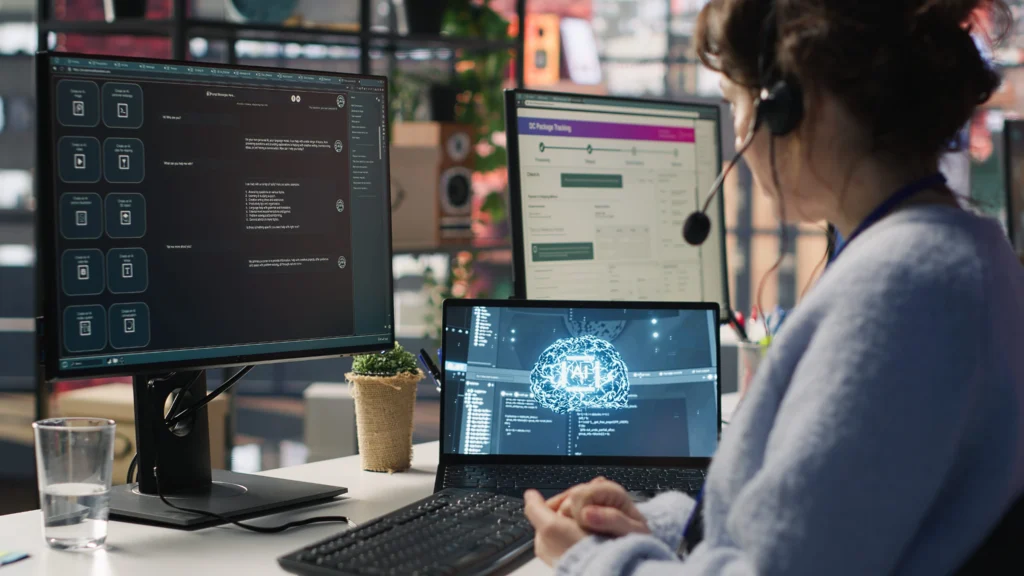
AI-Powered Helpdesk: Is Your IT Support Ready for Copilot Home?
I specialize in Copilot Home deployments, and I know first-hand how to bring this change across. Start by asking yourself one simple question. Can your IT helpdesk keep up with Copilot? As companies ramp up on their Copilot Home adoption plans, the reality hits home. Traditional IT helpdesk operations are struggling to cope. They cannot
I specialize in Copilot Home deployments, and I know first-hand how to bring this change across. Start by asking yourself one simple question. Can your IT helpdesk keep up with Copilot? As companies ramp up on their Copilot Home adoption plans, the reality hits home. Traditional IT helpdesk operations are struggling to cope. They cannot
Read full post on trndigital.com


AI Governance for SMBs: Policies for Copilot, Chat Tools, and Data Safety
For small and mid-sized organizations, the quick adoption of generative AI tools like Microsoft Copilot and consumer chat platforms offers remarkable productivity advantages. However, businesses run the risk of serious data leaks, intellectual property loss, and noncompliance when these capabilities are deployed without institutional safeguards. When employees don't have access to authorized tools or defined boundaries regarding private company information, shadow AI flourishes. With an efficient AI governance strategy, SMBs can use Copilot and enterprise chat platforms in a safe manner. Your
For small and mid-sized organizations, the quick adoption of generative AI tools like Microsoft Copilot and consumer chat platforms offers remarkable productivity advantages. However, businesses run the risk of serious data leaks, intellectual property loss, and noncompliance when these capabilities are deployed without institutional safeguards. When employees don't have access to authorized tools or defined boundaries regarding private company information, shadow AI flourishes. With an efficient AI governance strategy, SMBs can use Copilot and enterprise chat platforms in a safe manner. Your company can encourage secure innovation while upholding complete administrative control by implementing standardized tool selection, data classification tiers, stringent input constraints, automated retention policies, and role-specific access limits.
Read full post on leaftechit.com
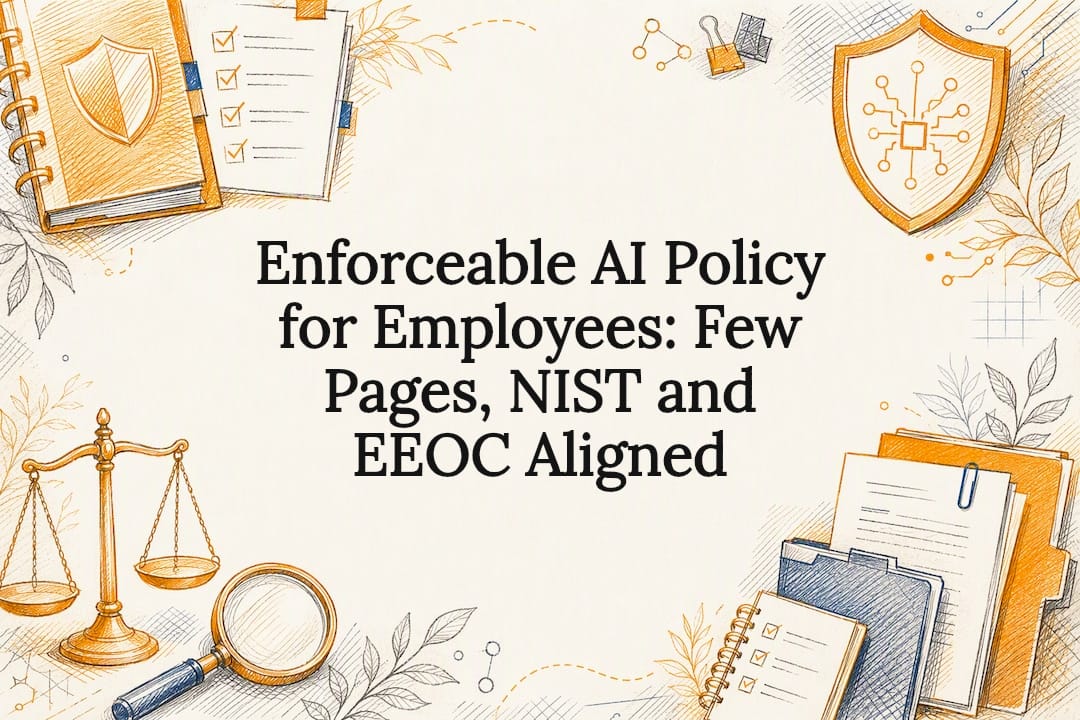
Enforceable AI Policy for Employees: Few Pages, NIST and EEOC Aligned
Get an HR-first AI policy for employees: a few pages, NIST and EEOC aligned checklist that enforces disclosure, human review, vendor controls, and...
Get an HR-first AI policy for employees: a few pages, NIST and EEOC aligned checklist that enforces disclosure, human review, vendor controls, and...
Read full post on mytekrescue.com
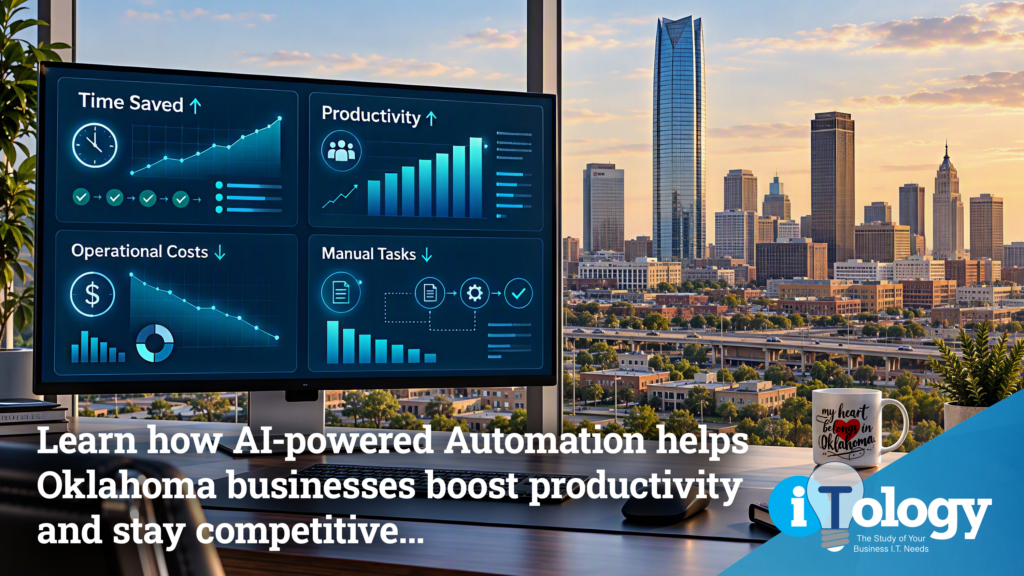
How AI Automation Helps Oklahoma Businesses Boost Productivity and Stay Competitive
Across Oklahoma, small and midsized businesses are under increasing pressure to do more with less. Customer expectations continue to rise. Competition is intensifying. Labor shortages remain a challenge in many industries. At the same time, organizations must manage growing amounts of data, operational complexity, compliance requirements, and administrative work. Whether it’s a construction firm coordinating
Across Oklahoma, small and midsized businesses are under increasing pressure to do more with less. Customer expectations continue to rise. Competition is intensifying. Labor shortages remain a challenge in many industries. At the same time, organizations must manage growing amounts of data, operational complexity, compliance requirements, and administrative work. Whether it’s a construction firm coordinating
Read full post on itology.com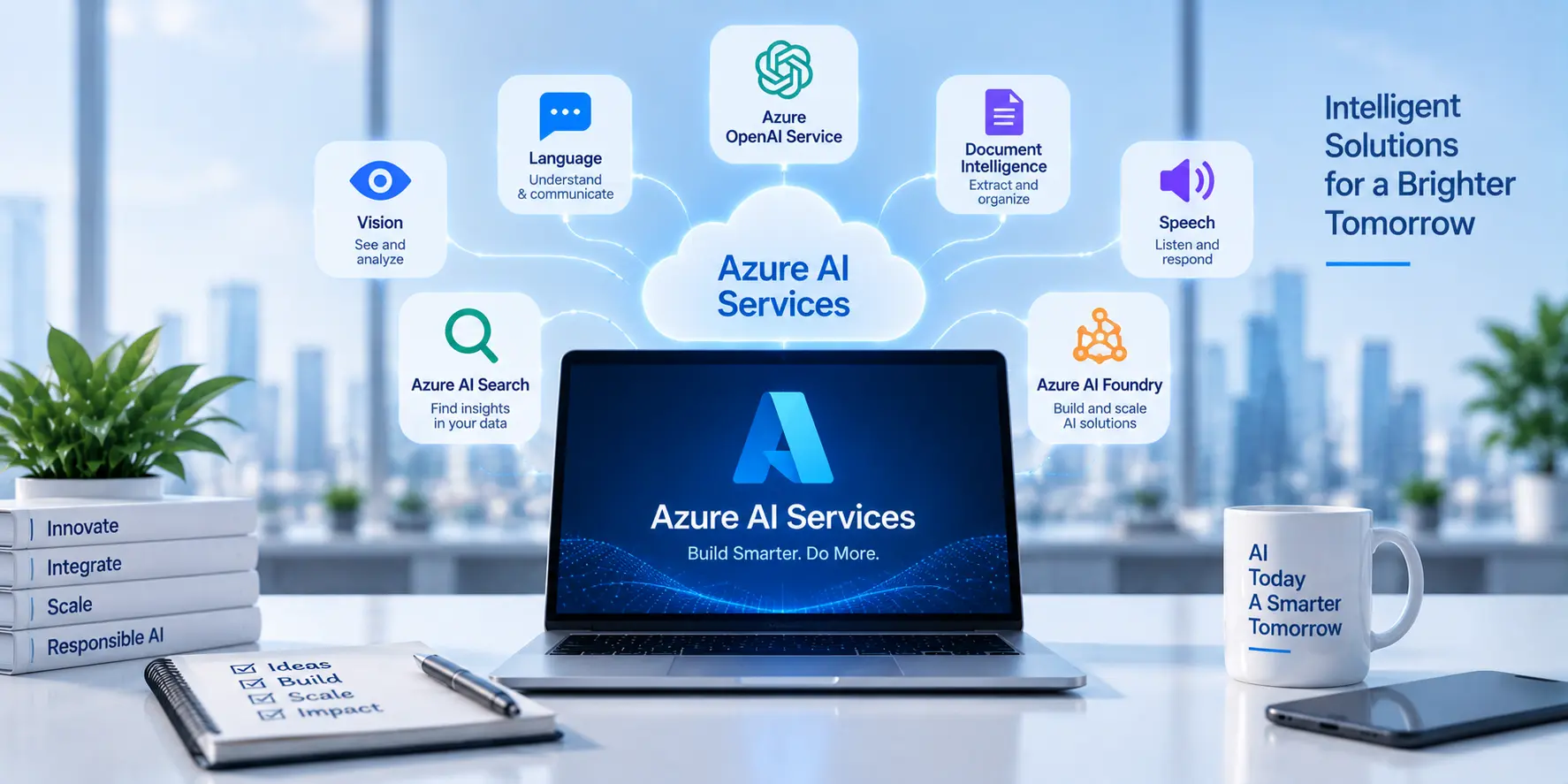
Azure AI Services: A Practical Guide (2026)
Azure AI services are a family of ready-made artificial intelligence APIs from Microsoft that let you add capabilities like vision, speech, language, translation, document understanding, and generative AI to your applications without building or training models from scratch. In plain terms, they are prebuilt AI building blocks you call from your own software, so your
Azure AI services are a family of ready-made artificial intelligence APIs from Microsoft that let you add capabilities like vision, speech, language, translation, document understanding, and generative AI to your applications without building or training models from scratch. In plain terms, they are prebuilt AI building blocks you call from your own software, so your
Read full post on trndigital.com

What Business Leaders Should Look for in an Enterprise AI Tool
Many organizations are moving from informal AI experimentation to a more deliberate approach.
Many organizations are moving from informal AI experimentation to a more deliberate approach.
Read full post on blog.starport.ca
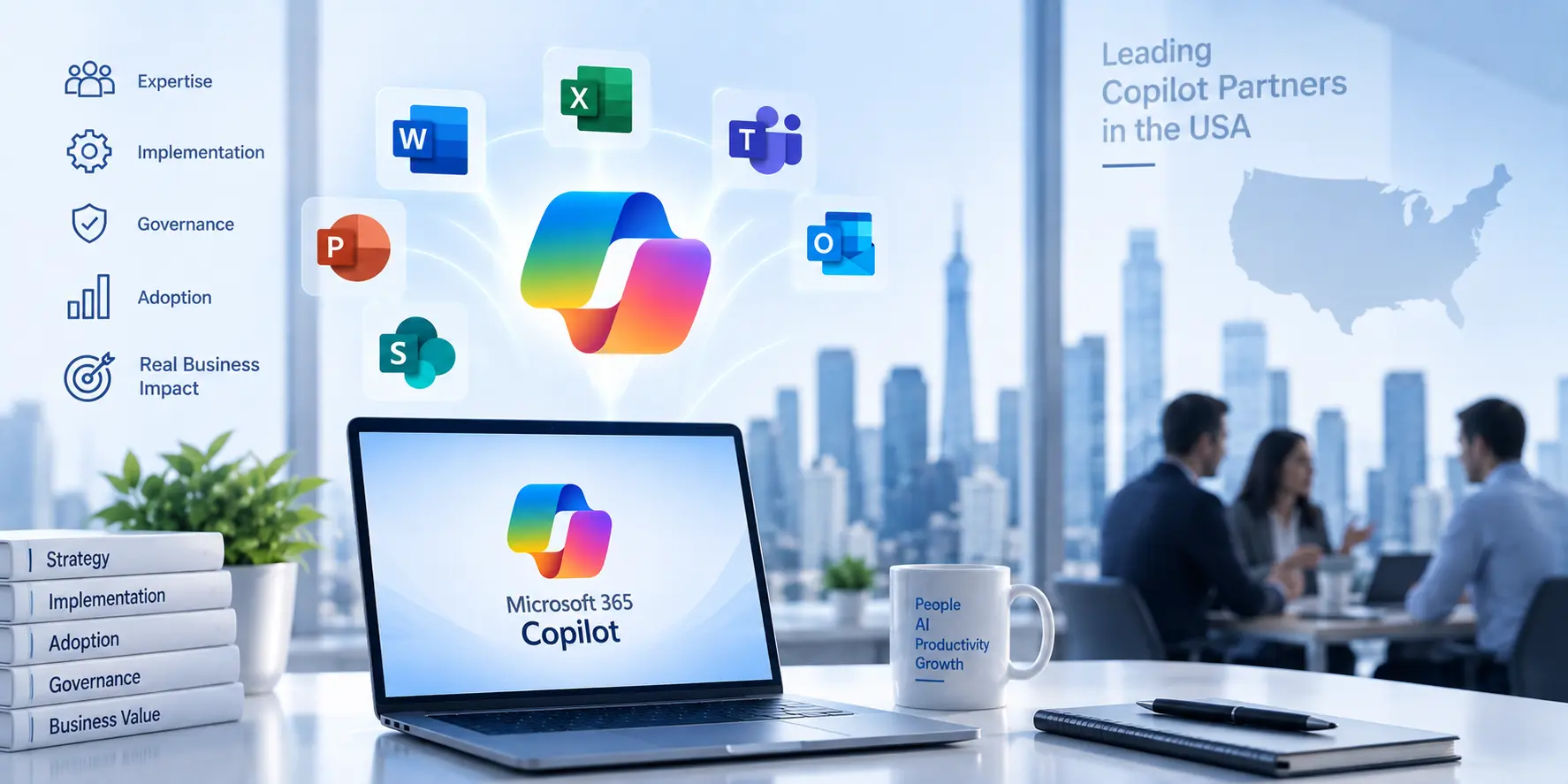
Best Microsoft Copilot Consulting Companies in the USA (2026)
The best Microsoft Copilot consulting companies in the USA for 2026 combine a real readiness assessment, strong security and governance, hands on adoption support, and proven Microsoft expertise, so you get value from Copilot rather than a stalled rollout. Whether you are comparing Microsoft Copilot consulting services, searching for the best Microsoft Copilot consultants, or
The best Microsoft Copilot consulting companies in the USA for 2026 combine a real readiness assessment, strong security and governance, hands on adoption support, and proven Microsoft expertise, so you get value from Copilot rather than a stalled rollout. Whether you are comparing Microsoft Copilot consulting services, searching for the best Microsoft Copilot consultants, or
Read full post on trndigital.com
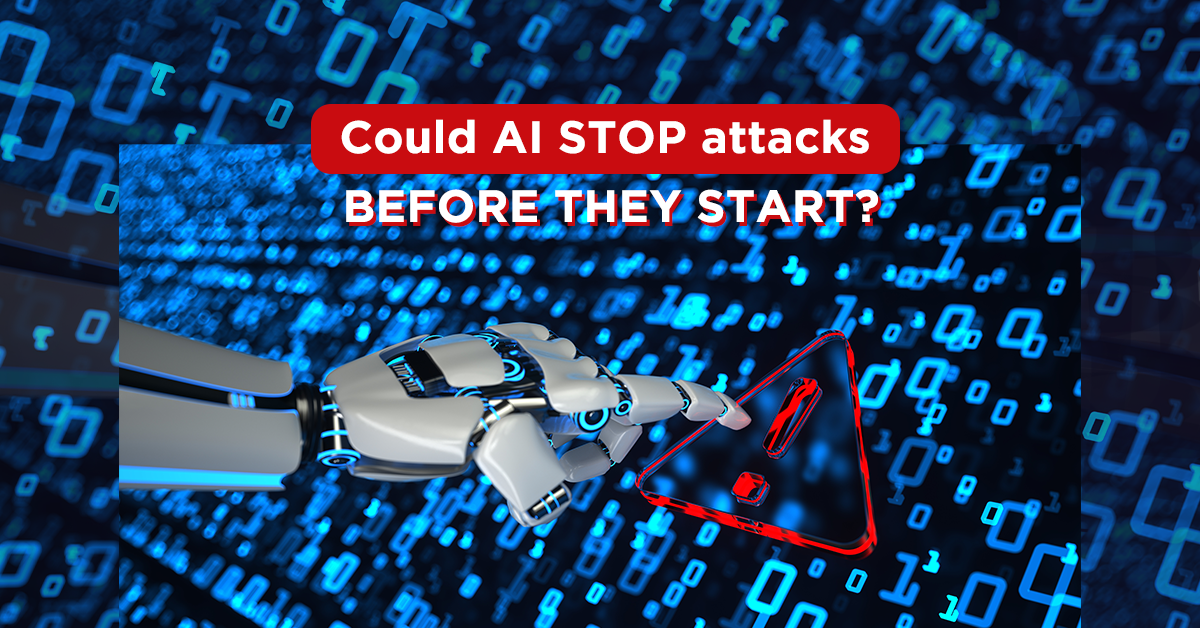
Is AI-Powered Cybersecurity the Future? What Microsoft’s MDASH Reveals
Cybersecurity is entering an interesting new phase. AI is starting to look for weaknesses before attackers can exploit them. It sounds impressive… and it is. But there’s an important reason businesses still can’t afford to ignore the basics…
Cybersecurity is entering an interesting new phase. AI is starting to look for weaknesses before attackers can exploit them. It sounds impressive… and it is. But there’s an important reason businesses still can’t afford to ignore the basics…
Read full post on skysailtechnologies.com

Building Autonomous AI Agents: The Engineering Reality Behind the Hype
AI agents have become one of the most talked-about — and most misunderstood — frontiers in applied AI. Everyone wants to build one. Fewer people can clearly explain what separates a "chatbot with extra steps" from a genuinely autonomous system that can plan, act, and adapt on its own.
AI agents have become one of the most talked-about — and most misunderstood — frontiers in applied AI. Everyone wants to build one. Fewer people can clearly explain what separates a "chatbot with extra steps" from a genuinely autonomous system that can plan, act, and adapt on its own.
Read full post on theitcompany.com

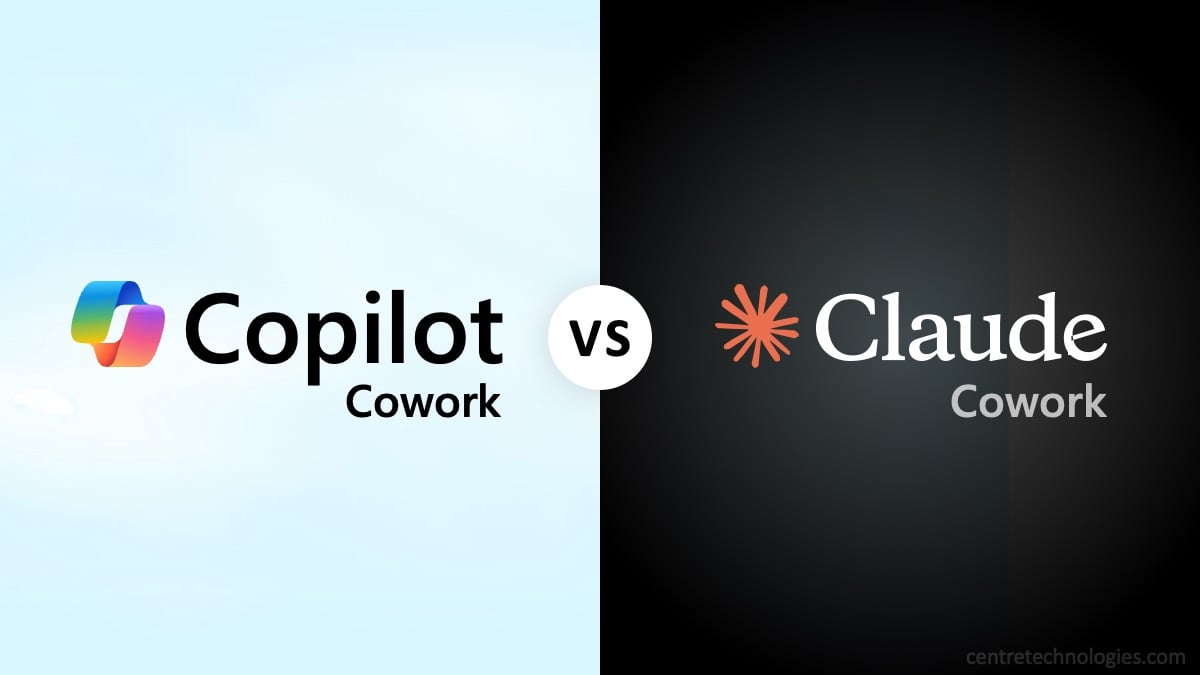
Copilot Cowork vs. Claude Cowork: Choosing the Right AI Agent for Your Business
Choosing between Copilot Cowork and Claude Cowork is less about which AI is better and more about the environment your business relies on. Both platforms were built around the same goal: helping employees delegate work instead of spending time managing tasks. While they share a common foundation and vision for both engines , Copilot Cowork is designed to maximize value inside the Microsoft ecosystem, whereas Claude Cowork is built for flexibility across files, tools, and research workflows. The right choice depends on where your data lives and how your teams work, instead of just the outcomes
Choosing between Copilot Cowork and Claude Cowork is less about which AI is better and more about the environment your business relies on. Both platforms were built around the same goal: helping employees delegate work instead of spending time managing tasks. While they share a common foundation and vision for both engines , Copilot Cowork is designed to maximize value inside the Microsoft ecosystem, whereas Claude Cowork is built for flexibility across files, tools, and research workflows. The right choice depends on where your data lives and how your teams work, instead of just the outcomes you want AI to achieve.
Read full post on blog.centretechnologies.com
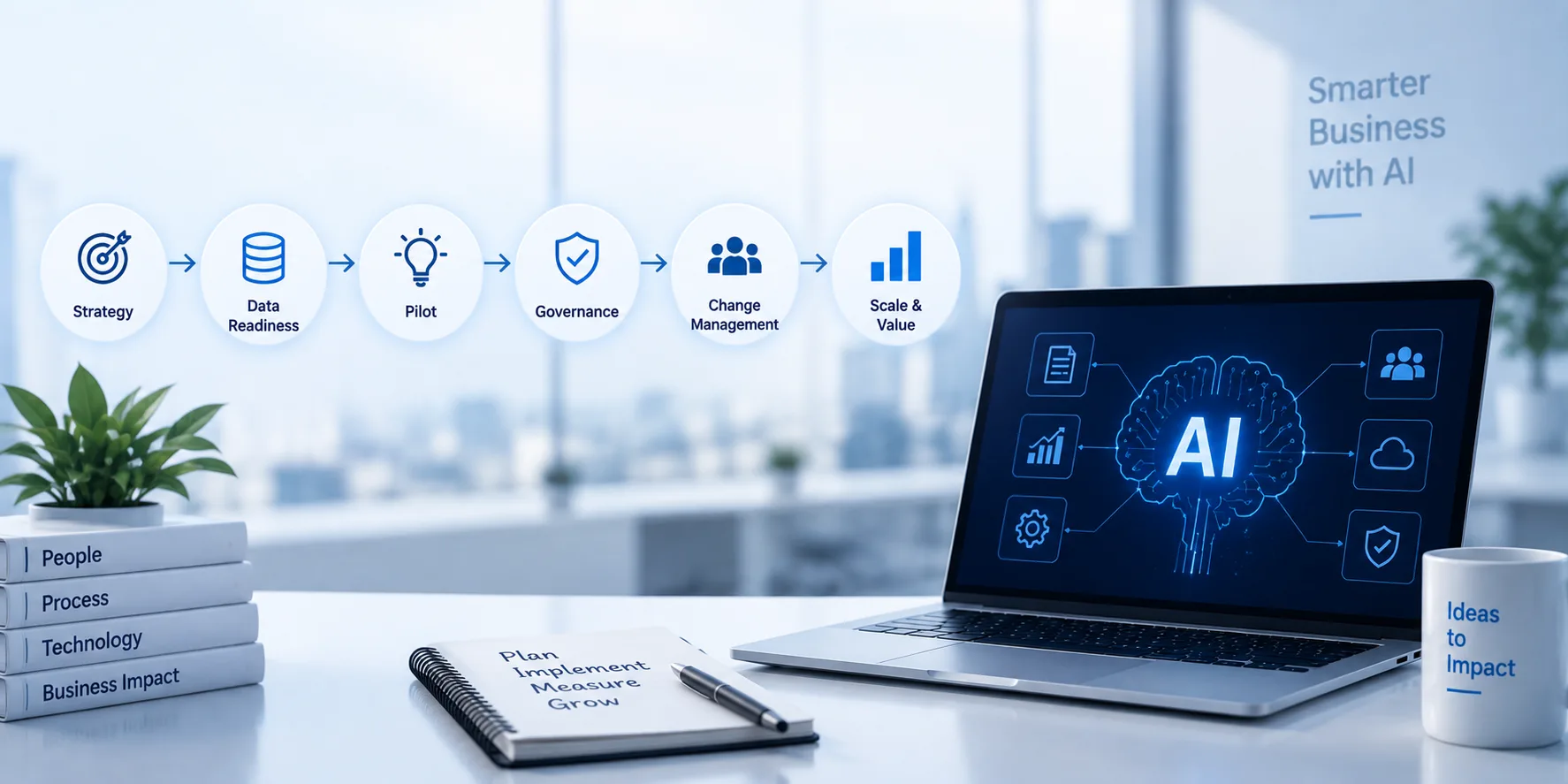
AI Implementation: A Step-by-Step Guide for Businesses
AI implementation is the process of moving artificial intelligence from idea to working, governed, value-producing part of your business. Done well, it follows a clear sequence: set goals, pick the right use cases, get your data and platform ready, pilot, govern, manage the change, then measure and scale. This guide walks through that process step
AI implementation is the process of moving artificial intelligence from idea to working, governed, value-producing part of your business. Done well, it follows a clear sequence: set goals, pick the right use cases, get your data and platform ready, pilot, govern, manage the change, then measure and scale. This guide walks through that process step
Read full post on trndigital.com
ChatGPT, Copilot, Gemini, or Claude: Which AI Is Right for Your Business?
There is no single best AI platform for every business. Learn how to compare ChatGPT, Microsoft Copilot, Google Gemini, and Claude based on your technology, data, security requirements, costs, and business goals.
There is no single best AI platform for every business. Learn how to compare ChatGPT, Microsoft Copilot, Google Gemini, and Claude based on your technology, data, security requirements, costs, and business goals.
Read full post on v2systems.com

How Employees Can Use Generative AI Without Exposing Sensitive Data
Generative AI can make everyday work easier, but the moment an employee copies business information into a prompt, the privacy risk changes.
Generative AI can make everyday work easier, but the moment an employee copies business information into a prompt, the privacy risk changes.
Read full post on blog.starport.ca
AI Agents Have Already Joined Your Team. Have You Met Them Yet?
A year ago, most businesses experimenting with AI were doing one thing: chatting with it. Someone typed a question into a chatbot, got an answer, and did the rest of the work themselves. In 2026, that's no longer the whole story. AI has started moving from "answering questions" to "completing tasks" — logging into systems, pulling data from multiple sources, drafting documents, updating records, and handing off finished work rather than just suggestions. These are AI agents, and they're showing up in ordinary businesses faster than most owners realize.
A year ago, most businesses experimenting with AI were doing one thing: chatting with it. Someone typed a question into a chatbot, got an answer, and did the rest of the work themselves. In 2026, that's no longer the whole story. AI has started moving from "answering questions" to "completing tasks" — logging into systems, pulling data from multiple sources, drafting documents, updating records, and handing off finished work rather than just suggestions. These are AI agents, and they're showing up in ordinary businesses faster than most owners realize.
Read full post on theitcompany.com


How Mid-Market Organizations Can Build a Smarter AI Strategy
The next phase of AI is about making smarter decisions about where, when, and how to use it.
The next phase of AI is about making smarter decisions about where, when, and how to use it.
Read full post on resources.compugen.com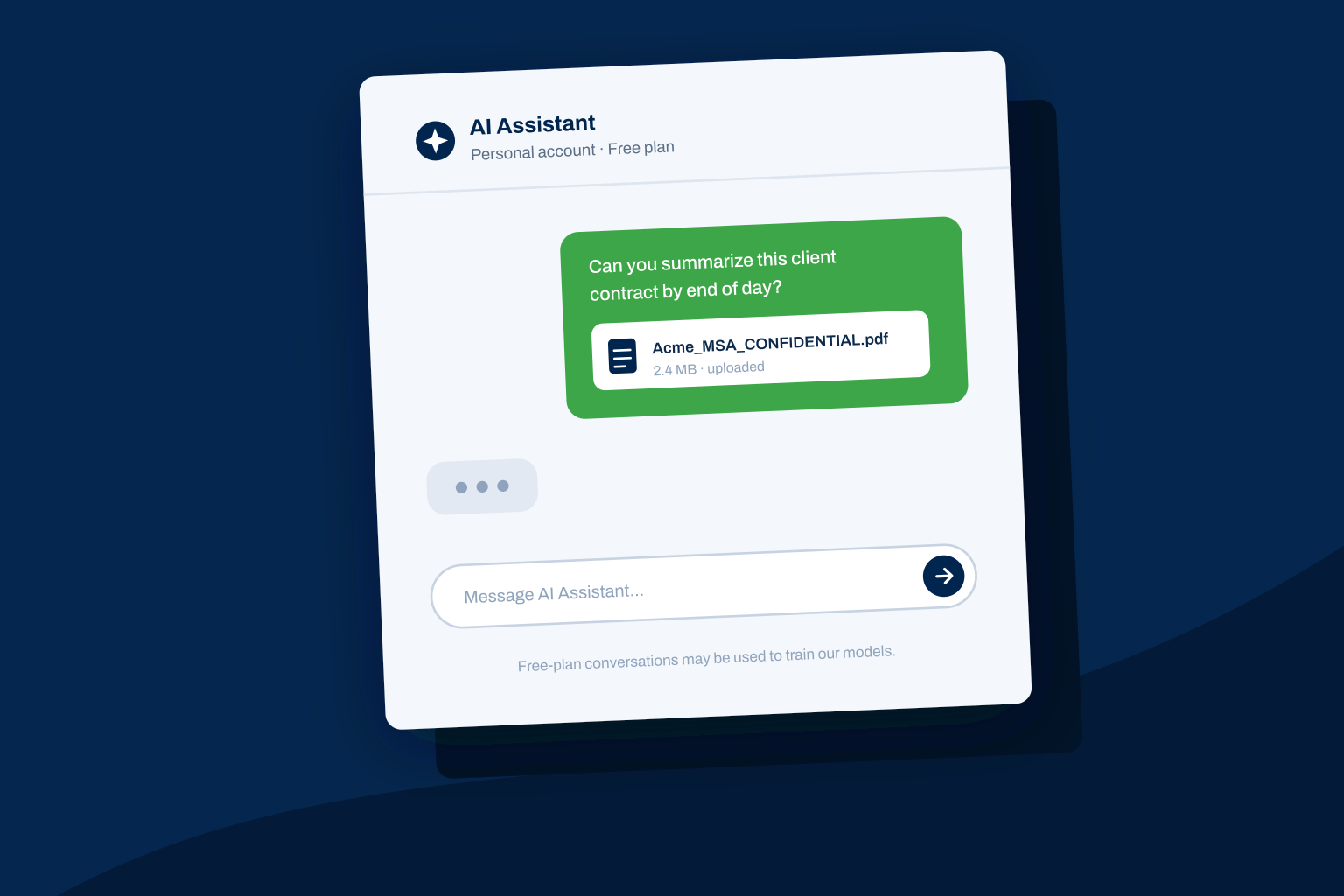
Shadow AI: Managing the AI Tools Your Employees Already Use
In most organizations, adoption of artificial intelligence did not begin with a project plan. It began when individual employees discovered that AI tools could draft an email, summarize a report, or debug a spreadsheet formula in a fraction of the usual time. Surveys consistently find that a majority of knowledge workers now use AI at
In most organizations, adoption of artificial intelligence did not begin with a project plan. It began when individual employees discovered that AI tools could draft an email, summarize a report, or debug a spreadsheet formula in a fraction of the usual time. Surveys consistently find that a majority of knowledge workers now use AI at
Read full post on superion.ca

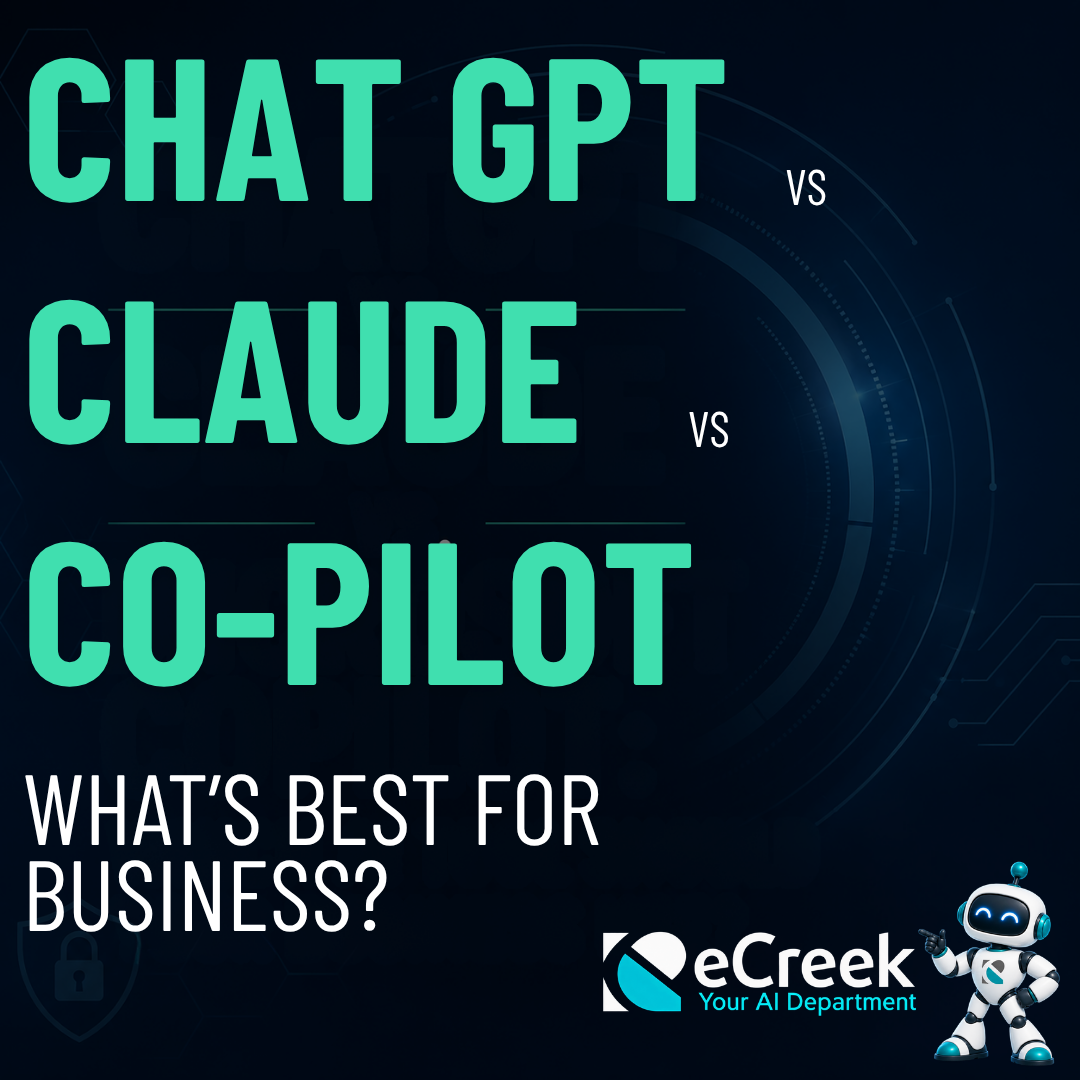
ChatGPT vs. Claude vs. Copilot: Which AI Tool Should Your Business Use?
ChatGPT vs. Claude vs. Copilot: Which AI Tool Should Your Business Use? Businesses everywhere are trying to answer the same question: Should we use ChatGPT, Claude, or Microsoft Copilot? It
ChatGPT vs. Claude vs. Copilot: Which AI Tool Should Your Business Use? Businesses everywhere are trying to answer the same question: Should we use ChatGPT, Claude, or Microsoft Copilot? It
Read full post on ecreekit.com
Microsoft Copilot ROI: How to Measure What Your Team Actually Saves
You've made the investment. You're paying for Microsoft 365 Copilot licenses. Your team is (probably) using it. But when your CFO asks what the business is actually getting out of it, you realize you don't have a clean answer.
You've made the investment. You're paying for Microsoft 365 Copilot licenses. Your team is (probably) using it. But when your CFO asks what the business is actually getting out of it, you realize you don't have a clean answer.
Read full post on sentrytechsolutions.com

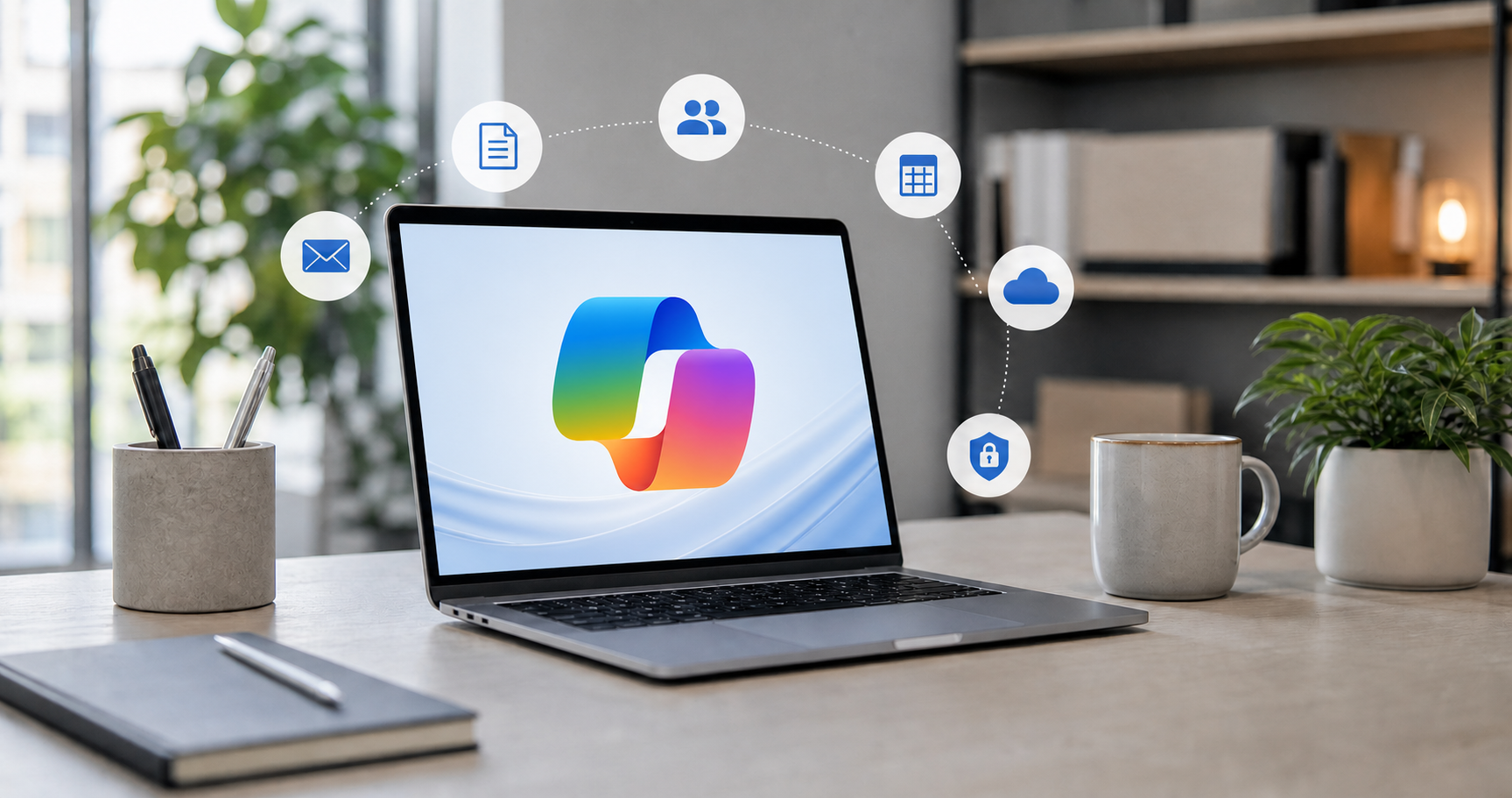
What Is Microsoft Copilot and Should Your Business Be Using It?
Microsoft Copilot is becoming difficult to ignore if your business already runs on Microsoft 365. AI capabilities are now available across tools employees use every day, including Outlook, Teams, Word, Excel and PowerPoint. That makes Copilot easier to introduce than many standalone AI platforms. Employees do not necessarily have to learn an entirely new system or move their work somewhere else. It also makes Copilot easy to underestimate. Drafting an email or summarizing a meeting may be the first features people try, but the bigger business opportunity is often tied to information employees
Microsoft Copilot is becoming difficult to ignore if your business already runs on Microsoft 365. AI capabilities are now available across tools employees use every day, including Outlook, Teams, Word, Excel and PowerPoint. That makes Copilot easier to introduce than many standalone AI platforms. Employees do not necessarily have to learn an entirely new system or move their work somewhere else. It also makes Copilot easy to underestimate. Drafting an email or summarizing a meeting may be the first features people try, but the bigger business opportunity is often tied to information employees already have. Copilot can help people find, summarize and work with content across Microsoft 365. Whether that turns into a worthwhile investment depends on the condition of the environment behind it. Permissions, data quality, security controls, Microsoft 365 administration and employee work habits can all affect the results.
Read full post on coretech.us

What Is Shadow AI at Work?
Artificial intelligence is rapidly becoming part of everyday business operations. Employees are using AI tools to summarize documents, generate content, analyze information, write code, automate
Artificial intelligence is rapidly becoming part of everyday business operations. Employees are using AI tools to summarize documents, generate content, analyze information, write code, automate
Read full post on pc-net.com
AI Is Already in Your Workplace. Do You Know How It’s Being Used?
Employees may already be using ChatGPT, Copilot, Gemini, Claude, and other AI tools for everyday work. Learn how to identify shadow AI and begin managing it without slowing down responsible innovation.
Employees may already be using ChatGPT, Copilot, Gemini, Claude, and other AI tools for everyday work. Learn how to identify shadow AI and begin managing it without slowing down responsible innovation.
Read full post on v2systems.com

RPA vs AI Agents: What Canadian SMBs Should Automate in 2026
Download PDF (695 KB) PDF version, ready to print or share with your team. Trusted byToronto law firmsHamilton manufacturersVancouver clinicsGTA accounting firmsOntario non-profitsBritish Columbia professional services Written by Mike Pearlstein, CISSP, CEO of Fusion Computing Limited. Helping Canadian businesses build and manage secure IT infrastructure since 2012 across Toronto, Hamilton, and Metro Vancouver. Two different
Download PDF (695 KB) PDF version, ready to print or share with your team. Trusted byToronto law firmsHamilton manufacturersVancouver clinicsGTA accounting firmsOntario non-profitsBritish Columbia professional services Written by Mike Pearlstein, CISSP, CEO of Fusion Computing Limited. Helping Canadian businesses build and manage secure IT infrastructure since 2012 across Toronto, Hamilton, and Metro Vancouver. Two different
Read full post on fusioncomputing.ca


How to Use AI Safely
How to Use AI Safely: A Practical Guide For Business Owners Artificial intelligence has quickly become one of the most useful technologies available to modern businesses. AI tools can help your team summarize information, draft documents, analyze data, automate repetitive work, improve customer service, streamline communication, and accomplish routine tasks faster. However, learning how to
How to Use AI Safely: A Practical Guide For Business Owners Artificial intelligence has quickly become one of the most useful technologies available to modern businesses. AI tools can help your team summarize information, draft documents, analyze data, automate repetitive work, improve customer service, streamline communication, and accomplish routine tasks faster. However, learning how to
Read full post on bemaservices.com
What Is WebMCP? The New Standard That Lets AI Agents Use Your Website
Download PDF (207 KB) PDF version, ready to print or share with your team. Trusted byToronto law firmsHamilton manufacturersVancouver clinicsGTA accounting firmsOntario non-profitsBritish Columbia professional services Somewhere in the last few months, “make your website agent-ready” became a sales line. It arrives in vendor decks and cold emails aimed at Canadian business owners, usually attached
Download PDF (207 KB) PDF version, ready to print or share with your team. Trusted byToronto law firmsHamilton manufacturersVancouver clinicsGTA accounting firmsOntario non-profitsBritish Columbia professional services Somewhere in the last few months, “make your website agent-ready” became a sales line. It arrives in vendor decks and cold emails aimed at Canadian business owners, usually attached
Read full post on fusioncomputing.ca

AI Governance for Small and Mid-Sized Businesses: Where Do You Start?
AI tools are already inside your business, whether or not you planned it that way. Someone on your team is using ChatGPT to draft emails, a vendor just added an “AI-powered” feature to the software you already pay for, and your marketing lead is experimenting with AI image generation for social posts. This isn’t a
AI tools are already inside your business, whether or not you planned it that way. Someone on your team is using ChatGPT to draft emails, a vendor just added an “AI-powered” feature to the software you already pay for, and your marketing lead is experimenting with AI image generation for social posts. This isn’t a
Read full post on velonexit.com

ChatGPT vs. Microsoft Copilot: Which AI Tool Is Right for Your Business in 2026?
Three Key Takeaways: Choosing between ChatGPT vs. Microsoft Copilot requires more than simply picking the bigger name. Both are capable AI assistants, but they work differently, live in different places and handle your data in different ways. If your business runs on Microsoft 365, that difference matters more than it might seem. The tool that…
Three Key Takeaways: Choosing between ChatGPT vs. Microsoft Copilot requires more than simply picking the bigger name. Both are capable AI assistants, but they work differently, live in different places and handle your data in different ways. If your business runs on Microsoft 365, that difference matters more than it might seem. The tool that…
Read full post on skyterratech.com

Is Microsoft Copilot Free?
Microsoft 365 Copilot is Microsoft’s AI-powered assistant for work, integrated across Microsoft 365 applications including Word, Excel, PowerPoint, Outlook and Teams. It combines large language models with your organisation’s Microsoft 365 data and Microsoft Graph to provide contextual, work-specific assistance. This means it can help generate content, analyse information, summarise conversations and surface insights from
Microsoft 365 Copilot is Microsoft’s AI-powered assistant for work, integrated across Microsoft 365 applications including Word, Excel, PowerPoint, Outlook and Teams. It combines large language models with your organisation’s Microsoft 365 data and Microsoft Graph to provide contextual, work-specific assistance. This means it can help generate content, analyse information, summarise conversations and surface insights from
Read full post on airit.co.uk
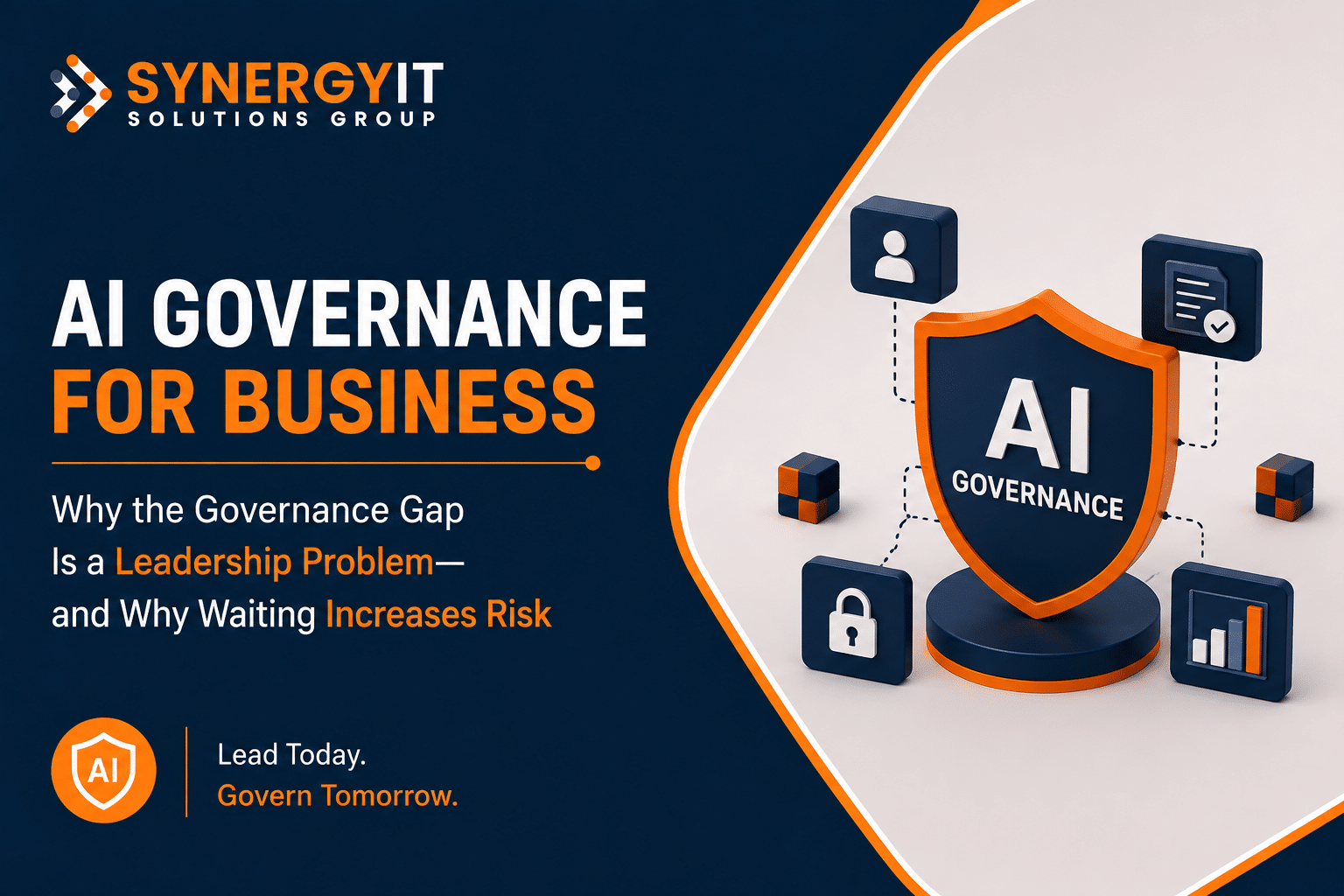
AI Governance for Business: Why the Real AI Governance Gap Is a Leadership Problem
The AI Governance Gap Is a Leadership Problem: Waiting Won’t Close It AI is already…
The AI Governance Gap Is a Leadership Problem: Waiting Won’t Close It AI is already…
Read full post on blog.synergyit.caFailed to load more articles
You're all caught up!
Check back later for more ai enablement news.
MSPdb™ News
Copilot vs ChatGPT: Which One Should Your Business Actually Pay For?
Copilot vs ChatGPT for business: what each one does, what it costs in 2026, how each handles your data, and which one fits a Microsoft 365 office best.
Copilot vs ChatGPT for business: what each one does, what it costs in 2026, how each handles your data, and which one fits a Microsoft 365 office best.
Read full post on nsocit.com
AI Security: The New Risk Small Businesses Can’t Ignore
AI tools are creating new cybersecurity risks for small businesses. Learn how shadow AI, phishing, and weak password practices can expose company data and how to stay protected.
AI tools are creating new cybersecurity risks for small businesses. Learn how shadow AI, phishing, and weak password practices can expose company data and how to stay protected.
Read full post on kappaservices.com
AI-Powered Helpdesk: Is Your IT Support Ready for Copilot Home?
I specialize in Copilot Home deployments, and I know first-hand how to bring this change across. Start by asking yourself one simple question. Can your IT helpdesk keep up with Copilot? As companies ramp up on their Copilot Home adoption plans, the reality hits home. Traditional IT helpdesk operations are struggling to cope. They cannot
I specialize in Copilot Home deployments, and I know first-hand how to bring this change across. Start by asking yourself one simple question. Can your IT helpdesk keep up with Copilot? As companies ramp up on their Copilot Home adoption plans, the reality hits home. Traditional IT helpdesk operations are struggling to cope. They cannot
Read full post on trndigital.com
AI Governance for SMBs: Policies for Copilot, Chat Tools, and Data Safety
For small and mid-sized organizations, the quick adoption of generative AI tools like Microsoft Copilot and consumer chat platforms offers remarkable productivity advantages. However, businesses run the risk of serious data leaks, intellectual property loss, and noncompliance when these capabilities are deployed without institutional safeguards. When employees don't have access to authorized tools or defined boundaries regarding private company information, shadow AI flourishes. With an efficient AI governance strategy, SMBs can use Copilot and enterprise chat platforms in a safe manner. Your
For small and mid-sized organizations, the quick adoption of generative AI tools like Microsoft Copilot and consumer chat platforms offers remarkable productivity advantages. However, businesses run the risk of serious data leaks, intellectual property loss, and noncompliance when these capabilities are deployed without institutional safeguards. When employees don't have access to authorized tools or defined boundaries regarding private company information, shadow AI flourishes. With an efficient AI governance strategy, SMBs can use Copilot and enterprise chat platforms in a safe manner. Your company can encourage secure innovation while upholding complete administrative control by implementing standardized tool selection, data classification tiers, stringent input constraints, automated retention policies, and role-specific access limits.
Read full post on leaftechit.com
Enforceable AI Policy for Employees: Few Pages, NIST and EEOC Aligned
Get an HR-first AI policy for employees: a few pages, NIST and EEOC aligned checklist that enforces disclosure, human review, vendor controls, and...
Get an HR-first AI policy for employees: a few pages, NIST and EEOC aligned checklist that enforces disclosure, human review, vendor controls, and...
Read full post on mytekrescue.com
How AI Automation Helps Oklahoma Businesses Boost Productivity and Stay Competitive
Across Oklahoma, small and midsized businesses are under increasing pressure to do more with less. Customer expectations continue to rise. Competition is intensifying. Labor shortages remain a challenge in many industries. At the same time, organizations must manage growing amounts of data, operational complexity, compliance requirements, and administrative work. Whether it’s a construction firm coordinating
Across Oklahoma, small and midsized businesses are under increasing pressure to do more with less. Customer expectations continue to rise. Competition is intensifying. Labor shortages remain a challenge in many industries. At the same time, organizations must manage growing amounts of data, operational complexity, compliance requirements, and administrative work. Whether it’s a construction firm coordinating
Read full post on itology.com
Azure AI Services: A Practical Guide (2026)
Azure AI services are a family of ready-made artificial intelligence APIs from Microsoft that let you add capabilities like vision, speech, language, translation, document understanding, and generative AI to your applications without building or training models from scratch. In plain terms, they are prebuilt AI building blocks you call from your own software, so your
Azure AI services are a family of ready-made artificial intelligence APIs from Microsoft that let you add capabilities like vision, speech, language, translation, document understanding, and generative AI to your applications without building or training models from scratch. In plain terms, they are prebuilt AI building blocks you call from your own software, so your
Read full post on trndigital.com
What Business Leaders Should Look for in an Enterprise AI Tool
Many organizations are moving from informal AI experimentation to a more deliberate approach.
Many organizations are moving from informal AI experimentation to a more deliberate approach.
Read full post on blog.starport.ca
Best Microsoft Copilot Consulting Companies in the USA (2026)
The best Microsoft Copilot consulting companies in the USA for 2026 combine a real readiness assessment, strong security and governance, hands on adoption support, and proven Microsoft expertise, so you get value from Copilot rather than a stalled rollout. Whether you are comparing Microsoft Copilot consulting services, searching for the best Microsoft Copilot consultants, or
The best Microsoft Copilot consulting companies in the USA for 2026 combine a real readiness assessment, strong security and governance, hands on adoption support, and proven Microsoft expertise, so you get value from Copilot rather than a stalled rollout. Whether you are comparing Microsoft Copilot consulting services, searching for the best Microsoft Copilot consultants, or
Read full post on trndigital.com
Is AI-Powered Cybersecurity the Future? What Microsoft’s MDASH Reveals
Cybersecurity is entering an interesting new phase. AI is starting to look for weaknesses before attackers can exploit them. It sounds impressive… and it is. But there’s an important reason businesses still can’t afford to ignore the basics…
Cybersecurity is entering an interesting new phase. AI is starting to look for weaknesses before attackers can exploit them. It sounds impressive… and it is. But there’s an important reason businesses still can’t afford to ignore the basics…
Read full post on skysailtechnologies.com
Popular MSPs
View All
Stay Updated
Get the latest ai enablement advice for growing companies delivered to your inbox.