




Cybersecurity Checklist for Small Businesses in 2026
Cybersecurity is no longer only an IT concern. For small businesses, protecting digital systems, customer information, and business operations has become a critical priority. Many small businesses assume cybercriminals only target large organizations. However, attackers increasingly focus on smaller companies because they often have limited security resources and weaker defenses. A single cybersecurity incident can
Cybersecurity is no longer only an IT concern. For small businesses, protecting digital systems, customer information, and business operations has become a critical priority. Many small businesses assume cybercriminals only target large organizations. However, attackers increasingly focus on smaller companies because they often have limited security resources and weaker defenses. A single cybersecurity incident can
Read full post on desertitsolutions.com
ITS Named Finalist for 2026 MSP Titans Nationwide and MSSP Awards
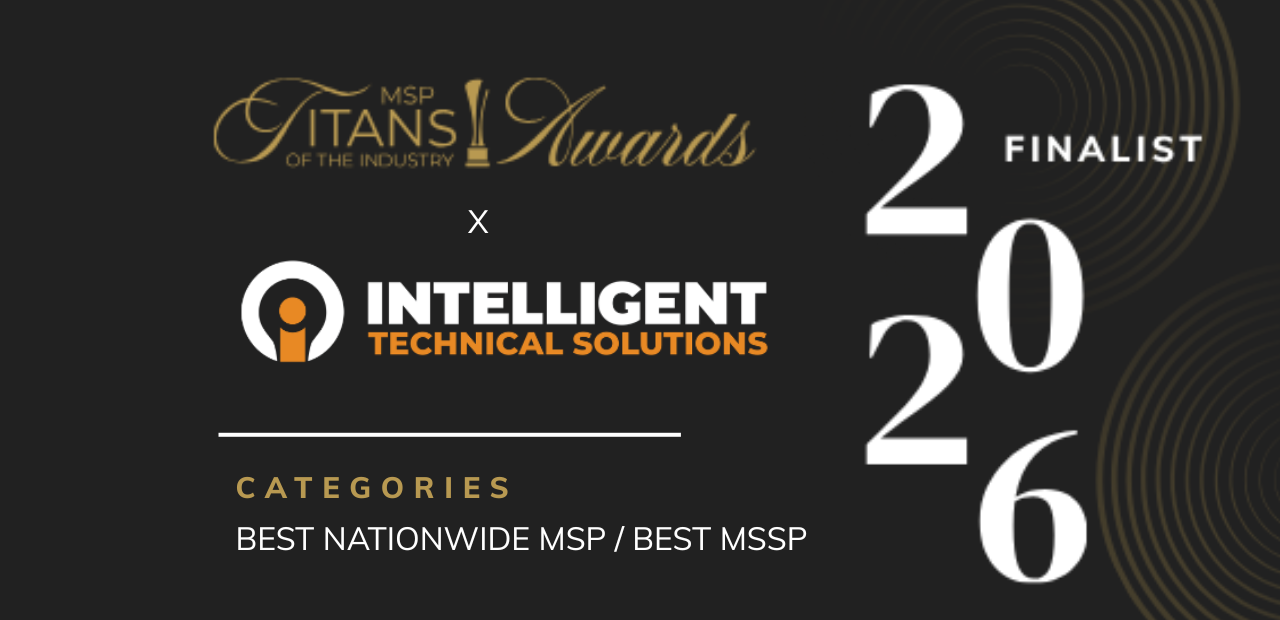
LAS VEGAS, NV – Intelligent Technical Solutions (ITS), a national Managed Security Service Provider (MSSP), announced today that it has been named a finalist in two categories for the 2026 MSP Titans of the Industry Awards: Nationwide/Multi-Location and MSSP.
LAS VEGAS, NV – Intelligent Technical Solutions (ITS), a national Managed Security Service Provider (MSSP), announced today that it has been named a finalist in two categories for the 2026 MSP Titans of the Industry Awards: Nationwide/Multi-Location and MSSP.
Read full post on itsasap.com


5 Microsoft 365 Settings Worth Checking in Your Tenant
Microsoft has tightened several default settings in Microsoft 365 over the past few years. Newer tenants get more protection out of the box than tenants set up before 2022 or so. The problem is that legacy configurations stay in place. A setting changed for new tenants in 2024 doesn’t retroactively change in yours, and historical
Microsoft has tightened several default settings in Microsoft 365 over the past few years. Newer tenants get more protection out of the box than tenants set up before 2022 or so. The problem is that legacy configurations stay in place. A setting changed for new tenants in 2024 doesn’t retroactively change in yours, and historical
Read full post on iternalnetworks.com