What's your biggest IT challenge?
Discover leading Managed IT Service Providers across USA, Canada & the United Kingdom.
- 100s of leading MSPs
- Find a MSP near you
- Latest IT news for SMBs

Unlock AI’s Full Potential for Your Business
Artificial Intelligence (AI) is revolutionizing the way people and businesses operate. From automating tasks to providing deep insights from complex data, AI has become a game-changer across industries. But with its immense potential comes responsibility. To truly harness the power of AI, businesses must adopt a strategic and ethical approach that balances benefits with potential risks. The Growing Role of AI in Business Save Time and Resources: Automating repetitive tasks such as data entry, customer support, and scheduling frees up valuable human capital for higher-level strateg
Artificial Intelligence (AI) is revolutionizing the way people and businesses operate. From automating tasks to providing deep insights from complex data, AI has become a game-changer across industries. But with its immense potential comes responsibility. To truly harness the power of AI, businesses must adopt a strategic and ethical approach that balances benefits with potential risks. The Growing Role of AI in Business Save Time and Resources: Automating repetitive tasks such as data entry, customer support, and scheduling frees up valuable human capital for higher-level strategic work. Enhance Decision-Making: AI-powered analytics can process vast amounts of data, uncovering trends and insights that inform smarter business decisions. Improve Customer Experiences: From chatbots providing instant responses to personalized product recommendations, AI is reshaping how businesses connect with their customers. Drive Innovation: AI fosters creativity and innovation by enabling new business models, products, and services. The Future for AI in Business The future of AI in business is promising, with continuous advancements expected to: Integrate AI Seamlessly: As technology evolves, AI tools will become more intuitive and user-friendly, making them accessible even to non-technical users. Empower Collaboration: AI will increasingly act as a collaborative tool, enhancing human creativity and decision-making to get the best of both. Enable Personalization: Businesses will harness AI to deliver tailored experiences at every customer touchpoint. Drive Industry-Specific Innovations: From healthcare to manufacturing, AI will open new frontiers of efficiency and effectiveness tailored to industry needs. The Risks of AI: Why Responsible Use Matters Despite its benefits, AI also poses risks if not used responsibly. These risks include: Bias and Fairness Issues: AI systems can accidentally reflect and amplify biases. Privacy Concerns: Improper handling of sensitive data by AI systems can lead to breaches and erode customer trust. Overreliance on Automation: Over-dependence on AI without human oversight can result in critical errors or missed opportunities. Job Displacement: While AI creates new opportunities, it may also disrupt certain roles, necessitating reskilling and adaptation. Adopting AI Responsibly To unlock AI’s full potential while mitigating risks, businesses should adopt responsible AI practices: Establish Clear Goals: Define how AI aligns with your business objectives and ensure it adds tangible value. Prioritize Transparency: Choose AI solutions that are explainable and transparent, so decisions made by AI systems are understandable. Invest in Training: Equip your workforce with the skills needed to use AI effectively and responsibly. Monitor and Adapt: Continuously evaluate AI systems for accuracy, fairness, and compliance with ethical standards. Collaborate on Governance: Join industry-wide initiatives advocating ethical AI practices and standards. Unlocking AI’s Value AI is a transformative tool that can revolutionize businesses when applied strategically and responsibly. By harnessing its potential, fostering innovation, and proactively managing risks, your organization can excel in the era of AI. Start today. Let 1Path's experts help you craft an AI strategy that drives innovation and minimizes risk, empowering your business to thrive.
Read full post on 1path.comMSPdb™ News

The complete guide to ransomware-resilient backup.
Ransomware-resilient backup is a backup setup that stays recoverable after attackers get into your production systems, your administrator credentials, or part of the backup environment itself. It rests on protected copies, isolation, separate access controls, encryption, monitoring, retention that reaches back far enough, and regular recovery tests. Those tests also give you evidence that critical
Ransomware-resilient backup is a backup setup that stays recoverable after attackers get into your production systems, your administrator credentials, or part of the backup environment itself. It rests on protected copies, isolation, separate access controls, encryption, monitoring, retention that reaches back far enough, and regular recovery tests. Those tests also give you evidence that critical
Read full post on magna5.com
Is Specialized Managed IT and OT Support Worth the Cost for a Midsize Manufacturer?

On Premise Versus Cloud Servers for Business
Compare on premise versus cloud servers for security, cost, uptime, and growth. Make a practical infrastructure decision for your business confidently.
Compare on premise versus cloud servers for security, cost, uptime, and growth. Make a practical infrastructure decision for your business confidently.
Read full post on rj-pro.net

What Buyers Actually Look For in a Home Care Agency’s Books Before They Close
Guest post by Chris Williams, CEO of System Six. The short answer: Buyers, and the lenders and quality of earnings (QoE) analysts working for them, don’t spend much time on the P&L itself that a seller hands over – they dig...
Guest post by Chris Williams, CEO of System Six. The short answer: Buyers, and the lenders and quality of earnings (QoE) analysts working for them, don’t spend much time on the P&L itself that a seller hands over – they dig...
Read full post on ittotalcare.com

Telehealth IT: Keeping Virtual Visits Secure
Telehealth IT: Keeping Virtual Visits Secure | LG Networks Your 2:15 PM patient logs on right on time. Thirty seconds later, your image freezes mid-sentence in an expression nobody would pick for a portrait, and the audio drops out completely. By the time everyone reconnects, what once was a 15-minute visit has now eaten half
Telehealth IT: Keeping Virtual Visits Secure | LG Networks Your 2:15 PM patient logs on right on time. Thirty seconds later, your image freezes mid-sentence in an expression nobody would pick for a portrait, and the audio drops out completely. By the time everyone reconnects, what once was a 15-minute visit has now eaten half
Read full post on lgnetworksinc.com

How to Reduce IT Infrastructure Costs Without Sacrificing Performance
Facing rising infrastructure costs, aging servers, or VMware decisions? See how Scale Computing offers a simpler approach to virtualization, infrastructure, and disaster recovery, as discussed in our webinar. Watch the webinar below ↓↓ For many businesses, the question around IT infrastructure is no longer simply, “Do we need new servers?” The bigger question is:
Facing rising infrastructure costs, aging servers, or VMware decisions? See how Scale Computing offers a simpler approach to virtualization, infrastructure, and disaster recovery, as discussed in our webinar. Watch the webinar below ↓↓ For many businesses, the question around IT infrastructure is no longer simply, “Do we need new servers?” The bigger question is:
Read full post on turnkeysol.com

Charles IT at the ACM Aerospace Alley Tradeshow
Meet the Charles IT team helping manufacturers reduce technology friction and keep critical work moving.
Meet the Charles IT team helping manufacturers reduce technology friction and keep critical work moving.
Read full post on charlesit.com

Network Infrastructure Management Services: A Multi-Site Standards and Exceptions Checklist
A practical checklist for network infrastructure management services across multiple locations, covering shared standards, approved exceptions, clear ownership, and checks that confirm critical workflows work.
A practical checklist for network infrastructure management services across multiple locations, covering shared standards, approved exceptions, clear ownership, and checks that confirm critical workflows work.
Read full post on ctmsit.com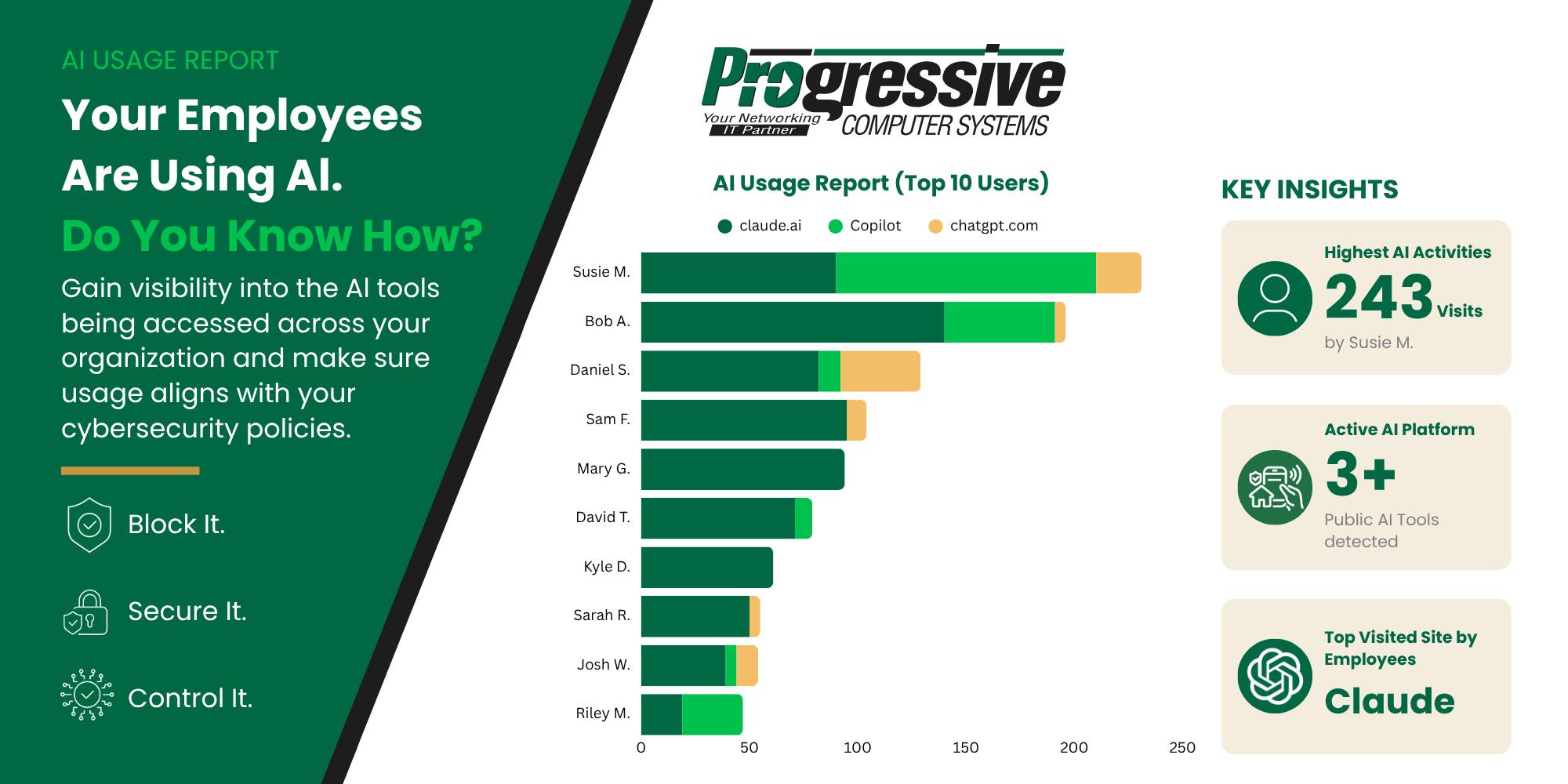
Secure AI Services


PHP2Shell Vulnerability Oct 21, 2026: How to Secure Your Website
PHP2Shell Vulnerability: How to Check, Patch, and Secure Your Website Updated: October 21, 2026 | IT GOAT Security Advisory Two critical PHP security vulnerabilities, CVE-2026-109618 and CVE-2026-109619, have prompted emergency security updates for web servers worldwide. Collectively known as PHP2Shell, these vulnerabilities can allow unauthenticated attackers to execute malicious code or expose sensitive server memory
PHP2Shell Vulnerability: How to Check, Patch, and Secure Your Website Updated: October 21, 2026 | IT GOAT Security Advisory Two critical PHP security vulnerabilities, CVE-2026-109618 and CVE-2026-109619, have prompted emergency security updates for web servers worldwide. Collectively known as PHP2Shell, these vulnerabilities can allow unauthenticated attackers to execute malicious code or expose sensitive server memory
Read full post on itgoat.com
Just Added to MSPdb™