Your IT guy retiring? Time for an IT team.
Discover leading Managed IT Service Providers across USA, Canada & the United Kingdom.
- 100s of leading MSPs
- Find a MSP near you
- Latest IT news for SMBs

AI-Driven Endpoint Security for SMB Remote Teams | Sourcepass
AI-driven endpoint security for SMBs is now a core requirement for protecting remote and hybrid workforces operating in Microsoft 365 environments. In this model, laptops, mobile devices, and cloud-connected systems replace the traditional office network as the primary security boundary. As a result, endpoint security becomes the most direct way to reduce exposure to account compromise, data loss, and operational disruption. Microsoft 365 environments concentrate identity, email, collaboration, and data access into a single platform. When endpoints are compromised, attackers can leverage tho
AI-driven endpoint security for SMBs is now a core requirement for protecting remote and hybrid workforces operating in Microsoft 365 environments. In this model, laptops, mobile devices, and cloud-connected systems replace the traditional office network as the primary security boundary. As a result, endpoint security becomes the most direct way to reduce exposure to account compromise, data loss, and operational disruption. Microsoft 365 environments concentrate identity, email, collaboration, and data access into a single platform. When endpoints are compromised, attackers can leverage those connections to access Outlook, OneDrive, and SharePoint data or move laterally across systems. The Federal Trade Commission notes that protecting devices, encrypting data, and requiring multi-factor authentication are foundational practices for reducing business risk in connected environments. AI-driven endpoint detection and response tools improve on traditional antivirus by focusing on behavior rather than known signatures. This approach aligns with modern guidance from frameworks like the NIST Cybersecurity Framework 2.0: Small Business Quick-Start Guide, which emphasizes detecting, responding to, and recovering from cyber events as ongoing operational capabilities. [bindledger.com] Why remote and hybrid SMBs need AI-driven endpoint security The endpoint is now the primary attack surface Remote and hybrid work have changed where risk originates. Devices connect from home networks, shared workspaces, and unmanaged environments, often without the protections associated with a centralized office network. These endpoints still access business-critical data through Microsoft 365 services, which increases the impact of a single compromised device. The Cybersecurity and Infrastructure Security Agency highlights that cybersecurity for small businesses must account for remote access, phishing, and device security as everyday risks, not exceptions. Its guidance emphasizes phishing avoidance, MFA, and system hardening as baseline practices for protecting organizations. Identity and endpoint compromise are tightly linked In Microsoft 365 environments, endpoint security and identity security operate together. A compromised device can expose cached credentials, session tokens, or authentication prompts, enabling access to sensitive systems. Microsoft’s Phishing-resistant MFA guidance explains that traditional authentication methods such as SMS codes and push notifications are increasingly vulnerable to modern attack techniques. Stronger authentication methods, including passkeys and Conditional Access policies, are recommended to reduce this risk. Endpoint security plays a role in enforcing these controls. Devices that meet policy requirements can be granted access, while unmanaged or compromised devices can be restricted or isolated. Traditional antivirus does not address modern behavior-based attacks Signature-based antivirus tools rely on known malware patterns. This approach is less effective against newer threats that change rapidly or operate using legitimate system tools. AI-driven endpoint detection and response platforms analyze device behavior, such as process execution, file changes, and network activity. By identifying patterns associated with ransomware, credential theft, and unauthorized remote access, these tools provide earlier detection and faster containment. This shift from reactive detection to behavioral analysis supports the Protect and Detect functions described in the NIST framework, where organizations continuously monitor for abnormal activity rather than relying on static controls. [bindledger.com] Design an AI-driven endpoint security stack for Microsoft 365 SMBs Standardize device management and access A consistent endpoint strategy begins with standardization. Devices should be enrolled in centralized management and tied to your identity system. In Microsoft 365 environments, this typically includes Entra ID for identity and Intune for device management. Core controls include: Device encryption for all endpoints that access business data Predictable patching and update policies Enrollment in endpoint protection before device use Alignment between device state and access permissions These practices reflect guidance from the FTC, which recommends updating systems, encrypting devices, and protecting access as part of basic cybersecurity hygiene. Layer AI-driven endpoint detection and response Modern endpoint security platforms combine prevention, detection, and response capabilities. AI-driven EDR extends these capabilities by continuously analyzing telemetry from each device. Typical behaviors monitored include: Rapid file changes associated with encryption activity Attempts to disable security controls Unusual command-line or scripting activity Connections to untrusted external systems The value of AI-driven EDR is not just detection, but response. Systems can automatically isolate a device, terminate malicious processes, or quarantine files when activity meets defined thresholds. This reduces the time between detection and containment, which directly limits operational impact. Integrate endpoint signals with Microsoft 365 telemetry Endpoint security becomes more effective when combined with identity and email signals. Microsoft 365 environments generate data across Entra ID, Exchange Online, and collaboration tools that can provide context for endpoint activity. For example: Suspicious sign-ins combined with endpoint alerts can indicate account compromise Email-based phishing attempts can correlate with unexpected device behavior File access patterns in OneDrive or SharePoint can signal data exfiltration This integrated view allows organizations to move from isolated alerts to coordinated incident response. Managed security services often support this model by monitoring activity across systems and ensuring alerts are reviewed and acted on consistently. Define role-based endpoint policies Not all devices carry the same level of risk. Endpoint policies should reflect the sensitivity of the data accessed and the role of the user. Stronger controls are typically applied to: Executives and leadership Finance and accounting teams IT administrators and privileged users These controls may include stricter application controls, enhanced monitoring, and more aggressive response actions. Other groups may require more flexibility but should still operate within a defined baseline of encryption, patching, and continuous monitoring. Measure and improve AI-driven endpoint defense for remote teams Build a clear endpoint security scorecard A cybersecurity program becomes operational when leaders can measure progress. For endpoint security, a concise scorecard should focus on high-signal indicators. Common metrics include: Percentage of devices enrolled and actively protected Coverage of AI-driven EDR across all endpoints Time to isolate or remediate high-risk alerts Percentage of devices meeting encryption and patch standards Volume and type of threats detected and contained These metrics align with the monitoring and continuous improvement approach recommended by NIST and other cybersecurity frameworks. [bindledger.com] Translate metrics into business impact Technical metrics need to be communicated in terms of risk and operations. Instead of focusing on tool performance, leadership should understand exposure. Examples include: Identifying devices that lack coverage and require remediation Showing reductions in time to contain incidents Demonstrating the ability to prevent threats from spreading This approach reinforces that endpoint security supports operational continuity, not just compliance. Align endpoint security with resilience and recovery Endpoint protection reduces the likelihood of incidents, but resilience determines how the business responds when something occurs. The Microsoft 365 Backup: Best practices for data recovery and business continuity document explains that organizations invest in backup solutions to restore operations quickly after a disruptive event and maintain data integrity across systems. [github.com] Combining endpoint detection, identity controls, and tested backup processes creates a layered approach that limits both the likelihood and impact of incidents. Establish consistent operational review Endpoint security should be reviewed on a regular cadence alongside other business metrics. Monthly operational reviews and quarterly leadership discussions provide the structure needed to evaluate progress and prioritize next steps. CISA guidance recommends that cybersecurity progress and roadblocks be reported to executives regularly to maintain alignment between security activities and business objectives. [govirtual-it.com] Over time, this process turns endpoint security into a managed capability rather than a one-time deployment. FAQ What is AI-driven endpoint security for SMBs? AI-driven endpoint security for SMBs uses behavioral analysis and machine learning to detect and respond to threats on devices such as laptops and mobile systems. It focuses on identifying suspicious activity rather than relying only on known malware signatures. Why is endpoint security critical for remote workforce security? Endpoint security is critical for remote workforce security because devices act as the primary access point to systems such as Microsoft 365. Protecting endpoints reduces the risk of account compromise, data exposure, and unauthorized access. How does AI-driven EDR improve Microsoft 365 security? AI-driven endpoint detection and response improves Microsoft 365 security by identifying abnormal behavior on devices, isolating compromised systems, and providing visibility into threats that could impact identity, email, and collaboration platforms. What are key best practices for endpoint security in SMBs? Key best practices include encrypting devices, enforcing MFA, keeping systems updated, deploying AI-driven EDR, monitoring device health, and aligning endpoint policies with user roles and business risk. How do SMBs measure endpoint security effectiveness? SMBs measure endpoint security effectiveness using metrics such as device coverage, detection and response time, patch compliance, encryption rates, and trends in threats detected and contained.
Read full post on blog.sourcepass.com
MSPdb™ News
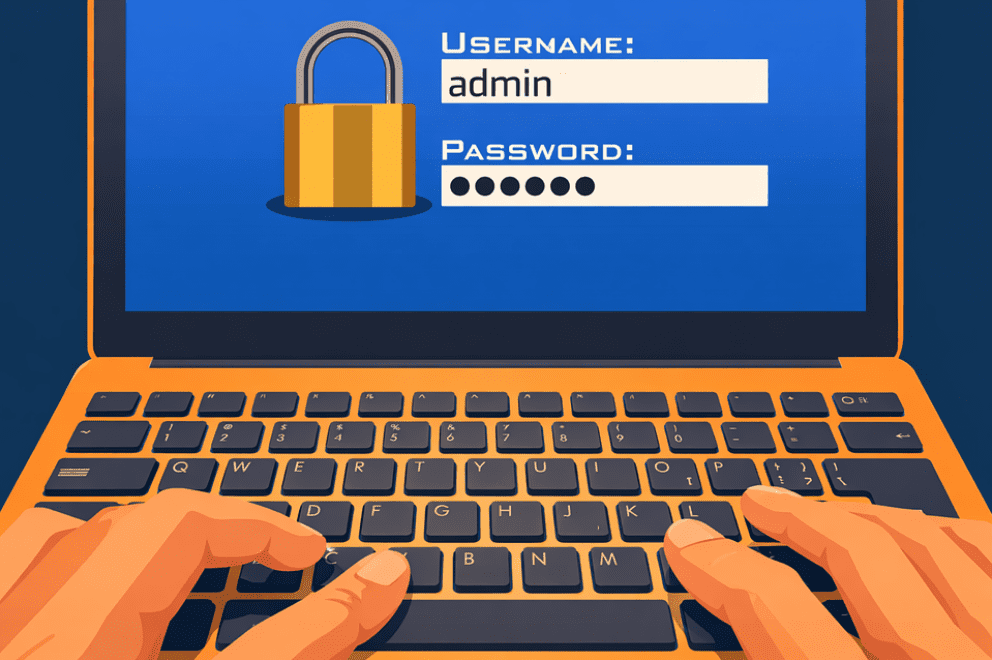
What is Passkey Migration and How Can It Help Your Team Eliminate Passwords?
Your team locks everything down with passwords. Some are strong, some are not, and most have been reused somewhere over the years. Every month, IT fields reset requests. Every year, the same breach reports list stolen credentials as the leading cause.There is now a more effective path, and it does not require users to memorize
Your team locks everything down with passwords. Some are strong, some are not, and most have been reused somewhere over the years. Every month, IT fields reset requests. Every year, the same breach reports list stolen credentials as the leading cause.There is now a more effective path, and it does not require users to memorize
Read full post on techriver.com

Remote vs. On-Site IT Support: A Practical Guide for Canadian Businesses
When looking at remote vs. on-site IT support, remote support resolves software, cloud, and user issues digitally through secure tools and monitoring systems, while on-site IT support provides hands-on troubleshooting for hardware, infrastructure, and business-critical technology at your physical location. What’s the Difference Between Remote vs. On-Site IT Support? Remote IT support resolves technology issues
When looking at remote vs. on-site IT support, remote support resolves software, cloud, and user issues digitally through secure tools and monitoring systems, while on-site IT support provides hands-on troubleshooting for hardware, infrastructure, and business-critical technology at your physical location. What’s the Difference Between Remote vs. On-Site IT Support? Remote IT support resolves technology issues
Read full post on f12.net
Email Security For Small Business: Protect Approvals, Invoices, And Trust
Delayed approvals, fraudulent invoice changes, compromised vendor threads, and customer confidence issues often start with one routine-looking message...
Delayed approvals, fraudulent invoice changes, compromised vendor threads, and customer confidence issues often start with one routine-looking message...
Read full post on turnkeysol.com

Is Your ERP Holding You Back?
Your ERP system is the backbone of your business. It touches payroll, inventory, finance, procurement, and more. But like any technology, ERP platforms age — and what once powered your growth can quietly become the thing that stalls it. The decision to replace an ERP isn’t one to take lightly. Implementations are costly, disruptive, and time-consuming. But staying with the wrong system carries its own steep price: inefficiency, lost opportunity, and competitive disadvantage. So how do you know when it’s time? Here are the clearest signals.
Your ERP system is the backbone of your business. It touches payroll, inventory, finance, procurement, and more. But like any technology, ERP platforms age — and what once powered your growth can quietly become the thing that stalls it. The decision to replace an ERP isn’t one to take lightly. Implementations are costly, disruptive, and time-consuming. But staying with the wrong system carries its own steep price: inefficiency, lost opportunity, and competitive disadvantage. So how do you know when it’s time? Here are the clearest signals.
Read full post on lbmctech.com

IT Companies in Los Angeles: How to Choose the Right One for Your Business
The best IT companies in Los Angeles combine local presence, deep technical expertise, and a proven track record with LA-area businesses. If you’re an LA business evaluating IT support options, the key differentiators are response time guarantees, industry-specific experience, and transparent flat-rate pricing. Be Structured Technology Group — founded in downtown Los Angeles in 2007
The best IT companies in Los Angeles combine local presence, deep technical expertise, and a proven track record with LA-area businesses. If you’re an LA business evaluating IT support options, the key differentiators are response time guarantees, industry-specific experience, and transparent flat-rate pricing. Be Structured Technology Group — founded in downtown Los Angeles in 2007
Read full post on bestructured.com
What Every Business Leader Should Know About AI Before Approving Its Use
Are your employees already using AI tools without your knowledge? Could a well-intentioned employee accidentally expose sensitive company information through an AI platform? Does your organization have a plan to govern AI before it becomes a security, compliance, or ...
Are your employees already using AI tools without your knowledge? Could a well-intentioned employee accidentally expose sensitive company information through an AI platform? Does your organization have a plan to govern AI before it becomes a security, compliance, or ...
Read full post on truadvantage.com

From 20 to 100 Employees: Is Your Technology Ready for Growth?

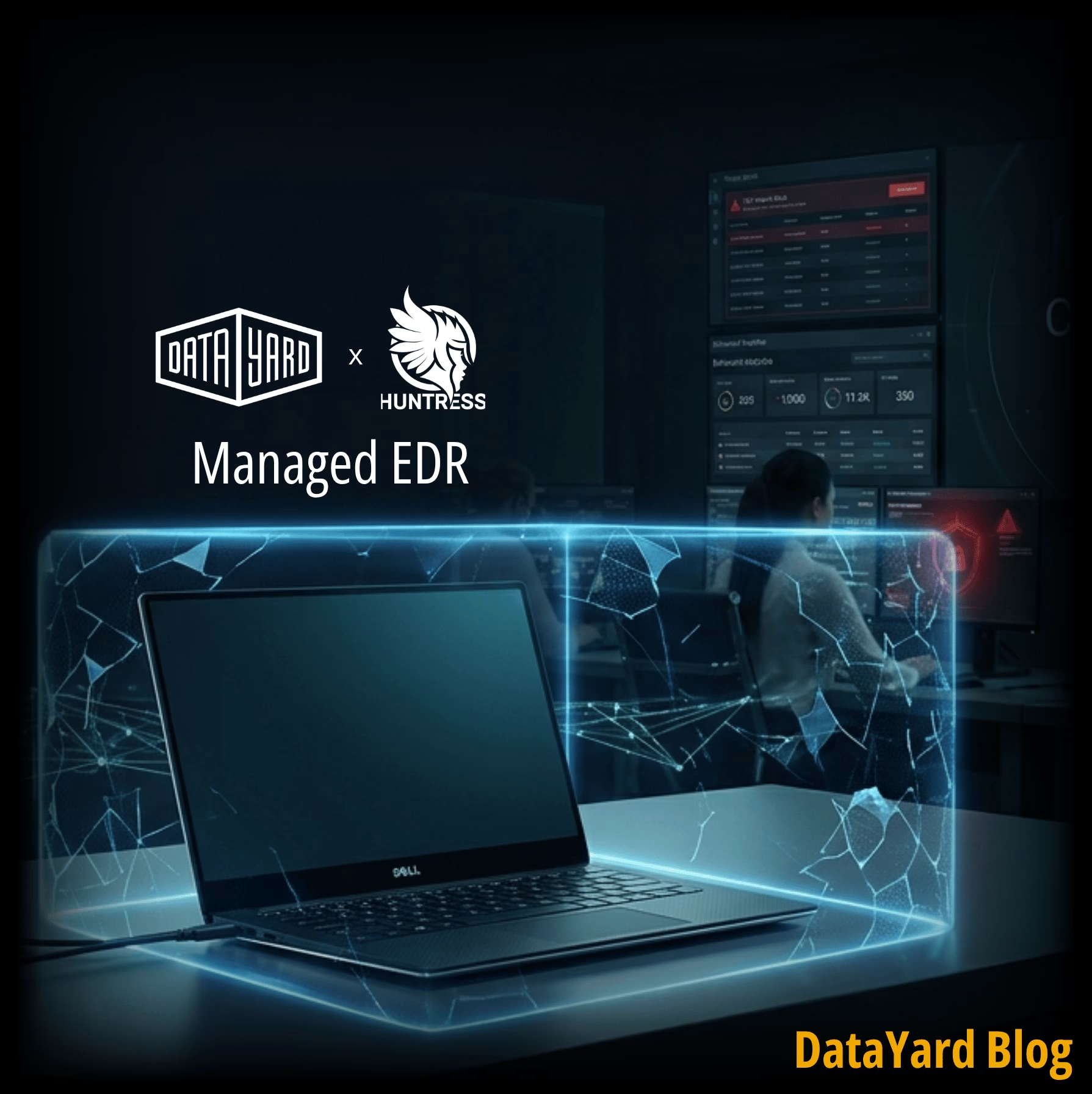
Webinar Recap: How to Stop Cybersecurity Threats with Managed EDR
On June 17, 2026, DataYard and Huntress hosted a live webinar on managed EDR and modern cybersecurity threats. This recap covers the key takeaways, including how managed EDR works, a real-world incident resolved in 52 minutes, a Huntress platform demo, and what deployment looks like for your organization. Plus, you will get exclusive access to the webinar video.
On June 17, 2026, DataYard and Huntress hosted a live webinar on managed EDR and modern cybersecurity threats. This recap covers the key takeaways, including how managed EDR works, a real-world incident resolved in 52 minutes, a Huntress platform demo, and what deployment looks like for your organization. Plus, you will get exclusive access to the webinar video.
Read full post on datayard.us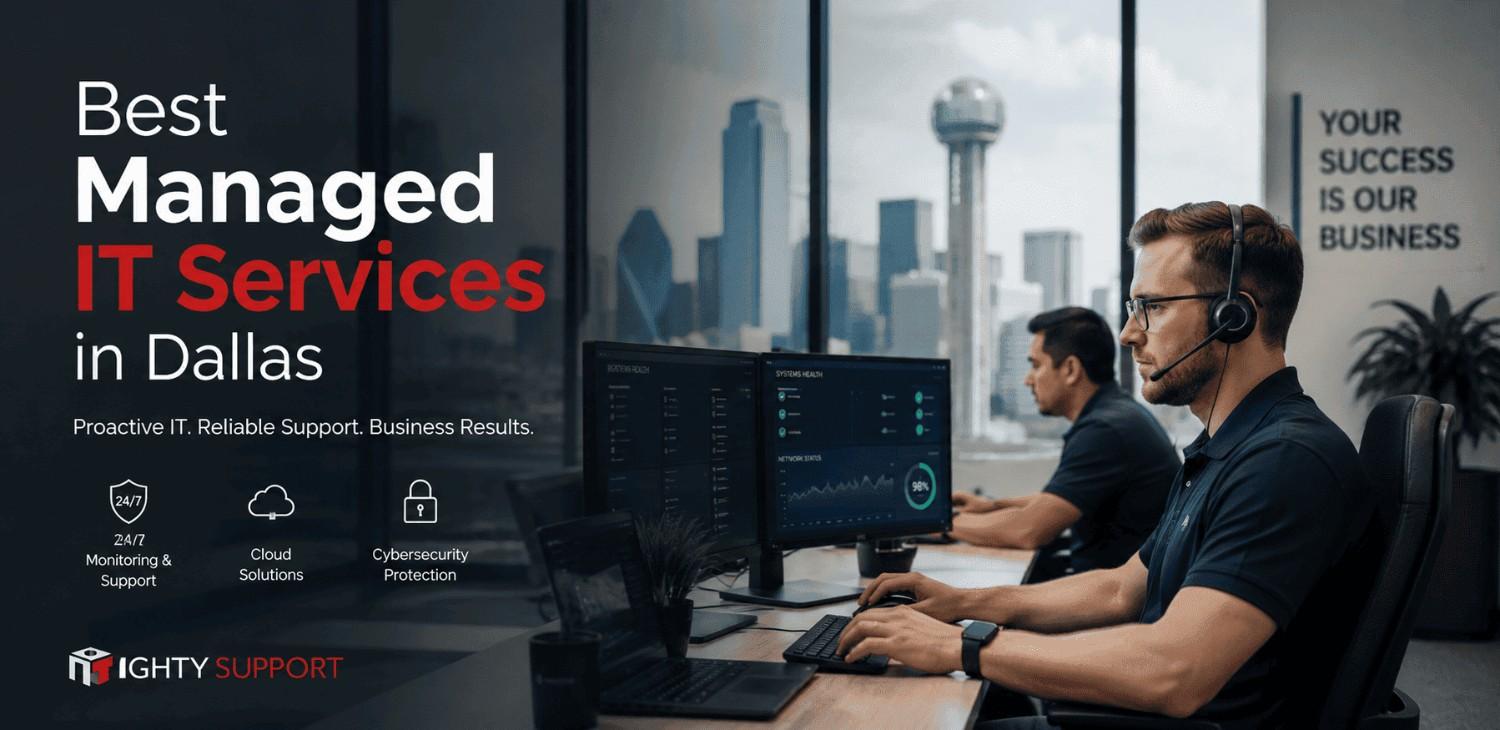
IT Disaster Recovery Plan for Dallas Businesses: A Complete Step-by-Step Guide (2026)
Here’s a number that should make any Dallas business owner stop and think: 60% of small businesses that suffer a major data loss event close within six months. Not eventually. Within six months. And yet, when you look at what’s
Here’s a number that should make any Dallas business owner stop and think: 60% of small businesses that suffer a major data loss event close within six months. Not eventually. Within six months. And yet, when you look at what’s
Read full post on ightysupport.com


Your Data Is in Canada. But Is It Under Canadian Control?
Most Canadian organizations think they've solved the sovereignty problem.
Most Canadian organizations think they've solved the sovereignty problem.
Read full post on resources.compugen.com
Just Added to MSPdb™


MSP Jobs
All Jobs