What's your biggest IT challenge?
Discover leading Managed IT Service Providers across USA, Canada & the United Kingdom.
- 100s of leading MSPs
- Find a MSP near you
- Latest IT news for SMBs

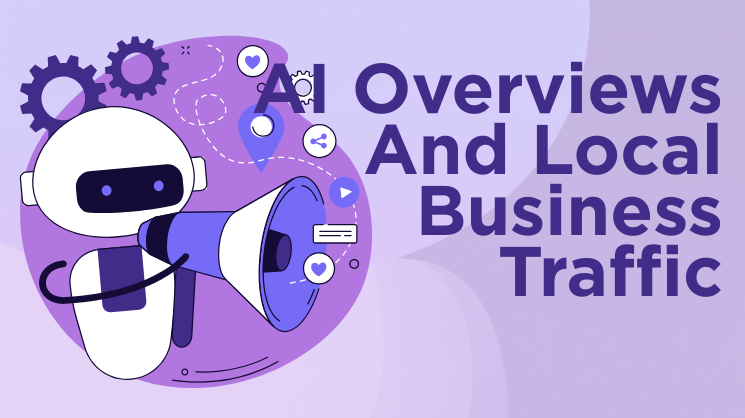
What AI Overviews Did to Local Business Traffic
We reviewed 45 live Google Analytics accounts to find out what AI Overviews actually did to local business and nonprofit traffic. Traffic did not collapse. It moved.
Read full post on tracsoft.comMSPdb™ News

Data Hygiene: The Missing Piece of Your AI Strategy
AI is everywhere right now. It’s helping businesses work faster, automate routine tasks, uncover insights, create content, and make better use of their time. And while everyone’s focused on the …
Read full post on mirazon.com
Microsoft Is Retiring SMS Login Codes: What Business Owners Need to Know About Passkeys
The way people log in to their accounts is changing again, and this time the shift is coming from one of the biggest names in technology. Microsoft has announced that it is moving users who currently rely on text message or phone call codes over to passkeys, and it plans to retire its own text
Read full post on runnetworkrun.com
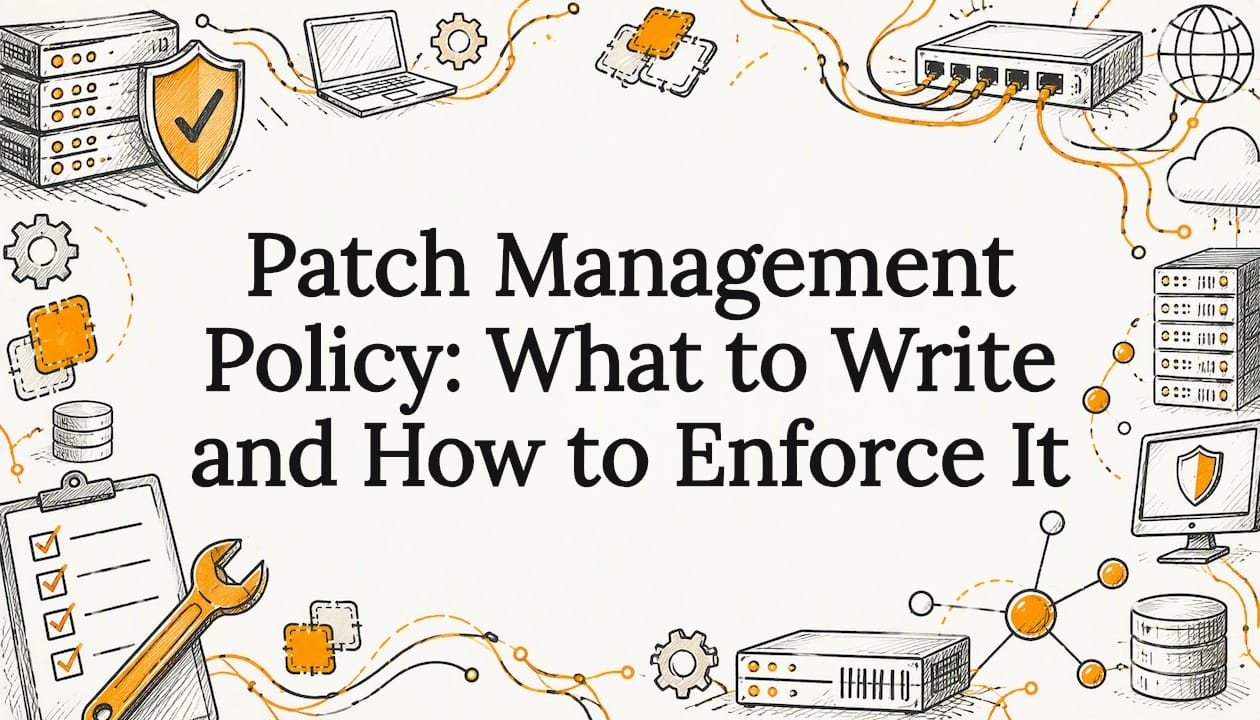
Cloud Managed Firewalls: Why Faster Patching Matters
Data Center MEP Contractors Face the Same WIP Problem as GCs
Data center MEP contractors face cash and margin pressure when interconnection dates, equipment schedules, and design requirements shift. Learn why committed costs, change orders, field data, and WIP forecasts must remain aligned throughout the project.
Read full post on swktech.com
How to Manage IT Service Complexity as You Grow
How to Manage IT Complexity as Your Business Grows: Internal IT vs. Managed IT vs. Co-Managed IT As businesses grow, technology becomes more difficult to manage. More employees, more software, cloud platforms, cybersecurity requirements, and compliance obligations all add layers of complexity. What worked when your company had 20 employees may no longer work at 75 or 150 employees. The challenge is not simply having more technology. It's ensuring that technology continues to support business growth without creating security risks, downtime, or operational bottlenecks. Key Takeaways
How to Manage IT Complexity as Your Business Grows: Internal IT vs. Managed IT vs. Co-Managed IT As businesses grow, technology becomes more difficult to manage. More employees, more software, cloud platforms, cybersecurity requirements, and compliance obligations all add layers of complexity. What worked when your company had 20 employees may no longer work at 75 or 150 employees. The challenge is not simply having more technology. It's ensuring that technology continues to support business growth without creating security risks, downtime, or operational bottlenecks. Key Takeaways IT complexity increases as organizations grow. More users, devices, applications, and compliance requirements create management challenges. Businesses typically choose between internal IT, managed IT, or co-managed IT. The right model depends on business goals, budget, and internal capabilities. Proactive planning reduces costs and improves business outcomes. What Causes IT Complexity? IT complexity rarely appears overnight. It grows gradually as organizations add new technology, employees, and business processes. Growing User and Device Counts Every new employee requires: A computer Software licenses Security controls User accounts Ongoing support As headcount increases, so does the workload required to maintain these systems. Cloud Application Expansion Most organizations now operate across multiple cloud platforms. Microsoft 365, CRM systems, accounting software, HR applications, collaboration tools, and industry-specific applications all require administration and security oversight. The more systems involved, the more difficult integrations, troubleshooting, and visibility become. Increasing Cybersecurity Requirements Modern cybersecurity demands continue to grow. Organizations are expected to implement: Multi-factor authentication Endpoint protection Security awareness training Backup and disaster recovery Compliance documentation Many growing businesses find these requirements exceed the capabilities of a single IT generalist. Vendor Sprawl As technology stacks expand, so do vendor relationships. Internet providers, cloud platforms, phone systems, software vendors, and cybersecurity providers all play a role. When issues occur, determining ownership can become a challenge. IT Challenges by Business Size Business Stage Typical Challenge 10-50 Employees Limited internal IT expertise 50-200 Employees IT resources become stretched thin 200+ Employees Governance, security, and scalability challenges No matter the size of the organization, IT must evolve alongside business growth. Internal IT vs. Managed IT vs. Co-Managed IT Most growing organizations choose one of three support models. Option 1: Internal IT An internal IT team provides direct access and deep familiarity with your business. Advantages Direct control In-house business knowledge Immediate access to staff Challenges Limited specialized expertise Hiring and retention costs Vacation and coverage gaps Ongoing training requirements For small organizations, a single IT professional often struggles to cover networking, cybersecurity, cloud services, compliance, and strategic planning simultaneously. Option 2: Managed IT Services Managed IT services outsource day-to-day technology management to a dedicated partner. Advantages Access to specialized expertise Predictable monthly costs Enhanced cybersecurity capabilities Greater scalability Challenges Less direct day-to-day control Dependence on service agreements and provider processes For many growing businesses, managed services provide broader expertise than they could reasonably build internally. Option 3: Co-Managed IT Co-managed IT combines internal staff with external support. Your internal team continues leading business strategy and user relationships while a partner provides specialized expertise, project support, cybersecurity resources, and additional bandwidth. Advantages Keeps internal IT leadership in place Expands available expertise Provides backup coverage Supports larger projects Challenges Requires clearly defined responsibilities Depends on effective collaboration between teams For organizations that already have IT personnel but need additional capabilities, co-managed IT often provides the best balance of control and support. How to Choose the Right IT Model Before making a decision, evaluate four factors. 1. Current Pain Points Identify what's preventing IT from supporting the business effectively. Examples include: Slow response times Security concerns Recurring outages Difficulty supporting growth 2. Growth Plans Consider where your organization will be in the next three to five years. Opening locations, increasing headcount, pursuing compliance requirements, or adopting new technology all impact support needs. 3. Budget Compare the full cost of hiring, training, tools, and turnover against managed service investments. Many organizations discover that outsourced expertise costs less than building equivalent capabilities internally. 4. Business Goals Technology should support: Operational efficiency Business growth Security Employee productivity Strategic initiatives Your chosen IT model should align with those goals. What to Look for in an IT Partner Not all IT providers are the same. Strategic Guidance Your provider should understand your business goals, not just your hardware inventory. Accountability Clear ownership, transparent communication, and defined escalation paths reduce frustration when issues occur. Cybersecurity Expertise Security is no longer optional. Your partner should bring practical experience in risk management, monitoring, backup, recovery, and compliance. Local Relationships When business-critical issues arise, accessibility matters. Organizations often benefit from working with a partner whose leadership team remains visible and engaged. How AI Is Reducing IT Complexity Artificial intelligence is helping IT teams work more efficiently. Modern platforms can: Detect threats faster Automate repetitive tasks Improve monitoring Reduce administrative workload Tools such as Microsoft Copilot can also improve productivity across departments by simplifying information access, collaboration, and routine workflows. The key is implementing AI strategically rather than adding another disconnected tool to manage. Final Thoughts IT complexity is a natural result of business growth. More employees, applications, security requirements, and business demands will continue to challenge organizations that rely on outdated support models. The good news is that businesses have options. Whether you choose internal IT, managed services, or a co-managed approach, the right strategy can reduce complexity, improve security, and create a stronger foundation for growth. At Ceeva, we help organizations throughout Western Pennsylvania align technology with business objectives through managed and co-managed IT services designed to scale as they grow. Looking to figure out the sweet spot for your organization? Contact us here and we can help guide you to the right place.
Read full post on ceeva.com
Planning an Office Move? Start With Your Network
Office moves, new locations, and technology refreshes all rely on one critical component: your network infrastructure. Learn how changing hardware lead times can affect project timelines and what businesses can do to stay ahead through proactive planning and procurement.
Read full post on louisvillegeek.com
AI Governance: Building a Framework for Secure Business AI Adoption
This guide walks business leaders through the essential elements of AI governance, from risk assessment to policy development, so you can adopt AI tools confidently and securely.
Read full post on gocourant.com
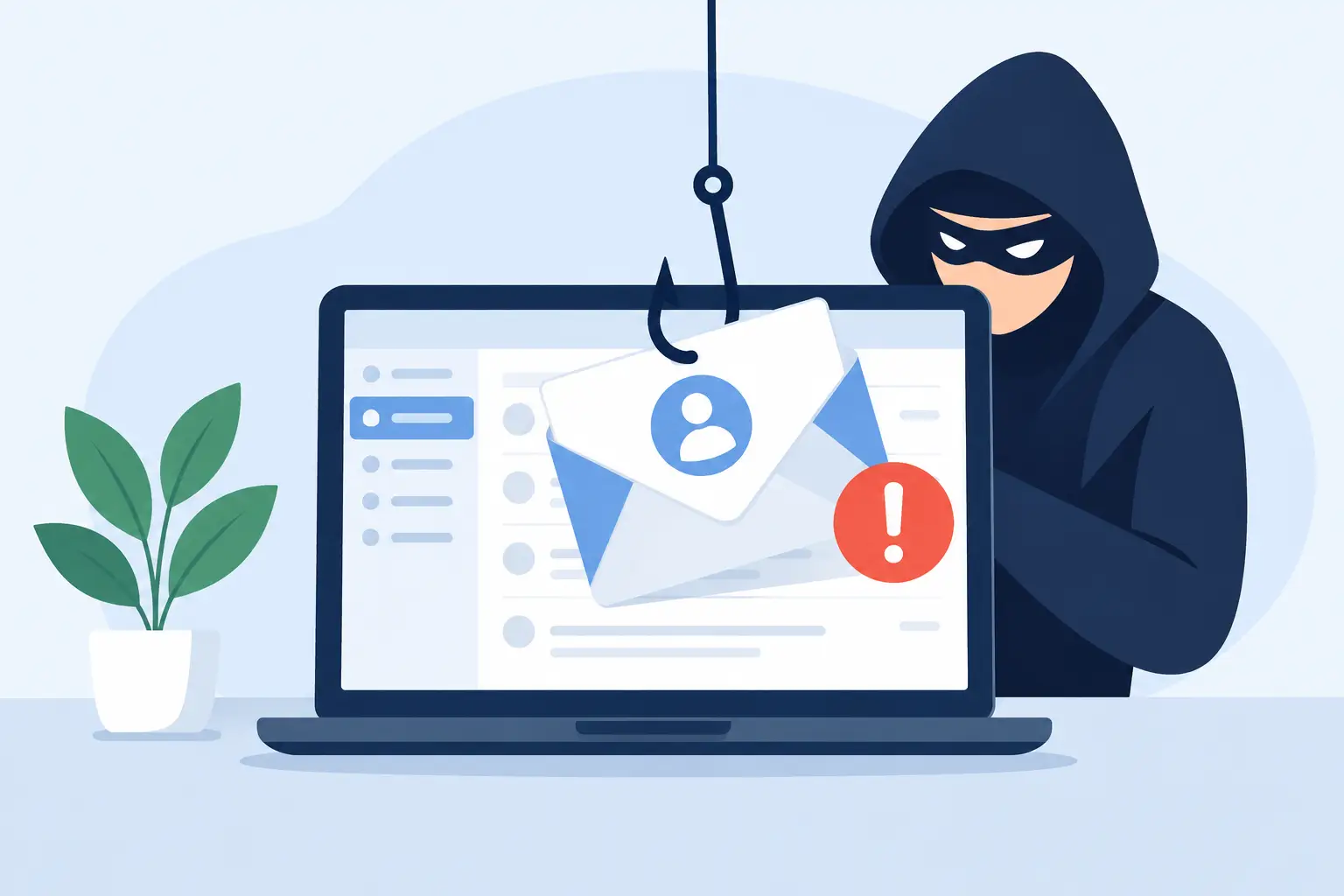
Top Reasons Small Businesses Experience a Cyberattack
Cloud Backup vs. Local Backup: What’s Right for Your Business
Cloud backup stores your data offsite on remote servers accessible via the internet, while local backup stores it on physical devices at your location — and for most small businesses, the right answer isn't one or the other, but a combination of both. Each option has real strengths and real limitations, and the best fit depends on your business size, budget, industry, and how quickly you need to recover when something goes wrong.
Read full post on lddconsulting.com
How Small Business Ransomware Attacks Work (And How to Protect Against Them)
Small businesses are the most common ransomware target by volume of incidents, even though many small business owners assume hackers focus on larger organizations. A 22-person company has enough revenue to be worth attacking, no dedicated security team to defend it, and a publicly traceable footprint that takes about an hour to research.What follows is
Read full post on techriver.com