99 problems but IT ain't one.
Discover leading Managed IT Service Providers across USA, Canada & the United Kingdom.
- 100s of leading MSPs
- Find a MSP near you
- Latest IT news for SMBs


Winery Point of Sale: How to Keep It Running During Peak Season
It's your busiest day. The tasting room is packed, your team is moving, wine is pouring, and guests are having a great time. Then your winery point of sale system freezes. Receipts stop printing. Card readers won't connect. Your staff switches to handwritten tickets and calculators while trying to stay upbeat. It works, for a little while, but lines grow, errors creep in, and some guests decide not to wait. Revenue dips. Momentum slows. Here's the part most wineries get wrong when this happens: they assume the fix is a new POS system. Usually it isn't. Most winery point of sale platfor
It's your busiest day. The tasting room is packed, your team is moving, wine is pouring, and guests are having a great time. Then your winery point of sale system freezes. Receipts stop printing. Card readers won't connect. Your staff switches to handwritten tickets and calculators while trying to stay upbeat. It works, for a little while, but lines grow, errors creep in, and some guests decide not to wait. Revenue dips. Momentum slows. Here's the part most wineries get wrong when this happens: they assume the fix is a new POS system. Usually it isn't. Most winery point of sale platforms on the market today are capable systems. What fails around them is everything else: the internet connection it depends on, the update schedule nobody owns, the staff training that never happened, and the backup plan that doesn't exist. You don't need to replace your POS. You need to protect it. Here's how. Why Winery Point of Sale Systems Fail During Peak Season A POS crash on a packed Saturday rarely comes out of nowhere. It's usually one of five predictable failure points: Weak internet connection. Remote tasting rooms and vineyard properties often run on a single connection with no failover. No internet, no sales. Overloaded systems during high-volume moments. Harvest weekends and club pickup days can push more simultaneous transactions through your POS than a normal Tuesday, and undersized network or hardware setups buckle under it. Outdated software. A POS running months-old updates is running on borrowed time, especially with payment processing involved. Cyber threats. Small businesses, including wineries, are common targets. A single compromised device can take your whole POS environment offline. No backup plan. When something does go wrong, staff are left improvising in front of guests instead of executing a plan. None of these require a new system to fix. They require the right infrastructure and the right plan around the system you already have. The Uptime Checklist: Protecting the POS You Already Have Connectivity resilience Your POS is only as reliable as the network underneath it. Get a backup internet solution. A failover connection, whether a cellular hotspot or a secondary provider, keeps your POS online when your primary connection drops. This is the single highest-impact fix for wineries in rural or remote tasting room locations. Confirm your POS can run offline, briefly. Even with failover, a short gap in connectivity shouldn't stop a sale. Most modern systems support a brief offline mode; make sure yours is configured to use it. Operational readiness Even a perfectly maintained system has an off day. What separates a minor hiccup from a full meltdown is whether your team knows what to do next. Give staff a simple troubleshooting playbook. If the internet drops, switch to the hotspot. If the POS freezes, restart and switch to offline mode. If payments won't process, offer tap-to-pay or manual entry as a stopgap. Keep a manual order sheet on hand. Low-tech, but it keeps sales moving while a fix is underway. Have a spare card reader ready. Hardware fails independently of software; a backup reader means one bad device doesn't stop transactions. Know who to call. A direct line to IT support, not a general help queue, matters most on your busiest day. If your current IT support setup doesn't guarantee fast response during peak hours, that's worth fixing before harvest, not during it. Automate Updates, Without Creating New Problems Outdated software is a slow-motion outage waiting to happen, but updates need to be handled deliberately, not just switched to automatic and forgotten. Schedule updates for maintenance windows or off-peak hours, never the days you expect to be busy. Test updates before they touch your production POS where possible; patches can occasionally conflict with other connected systems (payment processors, inventory, wine club platforms). Keep a record of what's running, so if something breaks after an update, you know exactly what changed. A managed backup strategy that captures your POS configuration and data means a bad update or a corrupted file doesn't turn into a lost day. Secure the System You Already Have Cyberattacks on small businesses are rising, and POS systems, which handle card data by design, are a common target. Protecting your existing system means: Strong passwords and two-factor authentication on every device that touches the POS Security software that actively blocks malware, not just antivirus running in the background Daily backups of transaction and configuration data This is table-stakes protection, and it's also exactly where a managed cybersecurity partner earns their keep: monitoring the environment around your POS so a breach doesn't reach it in the first place. Build Your Emergency Plan Before You Need It The difference between a five-minute hiccup and a lost afternoon is almost never the technology. It's whether a plan already exists. Before your next peak weekend, make sure you have: A manual order sheet ready to go A spare card reader on-site A support contact who can respond immediately, not eventually Wineries that treat this as a pre-season checklist, not a post-crash scramble, are the ones whose tasting rooms stay open through the busiest day of the year. FAQ: Winery Point of Sale Uptime Why does my winery POS system crash during busy tasting room days? Most crashes come down to five causes: an unreliable internet connection, transaction volume the system wasn't configured to handle, outdated software, a cyber incident, or the absence of a backup plan. The POS software itself is rarely the actual point of failure. Do I need to replace my POS system to fix reliability problems? Usually not. Most reliability issues come from the infrastructure and processes around the POS, not the software itself. Backup internet, staff training, update discipline, and security controls solve the majority of crashes without a platform switch. What's the fastest fix for a winery POS system that just went down? Switch to your backup internet connection if available, restart the POS into offline mode, and fall back to a manual order sheet or spare card reader while the issue is resolved. Having these three things ready ahead of time is what makes the fix fast. How can a winery prevent POS downtime during harvest season? Set up backup internet before harvest starts, confirm your POS supports offline transactions, train staff on a simple troubleshooting checklist, and schedule any software updates for off-peak windows well ahead of your busiest weekends. Your POS Shouldn't Hold Your Winery Back Your guests come for great wine and a seamless experience, not long waits and checkout frustration. Protecting the point-of-sale system you already have, rather than chasing a replacement, is usually the faster and cheaper path to a tasting room that stays open no matter how busy it gets. If you want a second set of eyes on your setup before your next peak weekend, talk to our team about a pre-season IT readiness check.
Read full post on endsight.net
MSPdb™ News


Boston Tech Conferences: A Practical IT Planning Guide
A conference budget is not just a travel line. It affects who covers support tickets, who approves vendor meetings, how cybersecurity priorities get f...
A conference budget is not just a travel line. It affects who covers support tickets, who approves vendor meetings, how cybersecurity priorities get f...
Read full post on charterts.com
Cybersecurity Awareness Month: A Field Guide for Business Leaders
The decisions that shape your company’s security posture don’t get made at the front desk. They get made in budget meetings, vendor negotiations, and leadership offsites. That makes Cybersecurity Awareness Month less of a training campaign and more of a leadership checkpoint.
The decisions that shape your company’s security posture don’t get made at the front desk. They get made in budget meetings, vendor negotiations, and leadership offsites. That makes Cybersecurity Awareness Month less of a training campaign and more of a leadership checkpoint.
Read full post on sentrytechsolutions.com


Exchange Web Services Retirement: What Boston Businesses Need to Know
Microsoft began switching off Exchange Web Services (EWS) in Exchange Online on October 1, 2026, and any copier, CRM sync tool, backup product, or custom script your business uses to touch email, calendars, or contacts automatically could be affected. The permanent shutdown, with no exceptions, lands April 1, 2027, so this is the window to
Microsoft began switching off Exchange Web Services (EWS) in Exchange Online on October 1, 2026, and any copier, CRM sync tool, backup product, or custom script your business uses to touch email, calendars, or contacts automatically could be affected. The permanent shutdown, with no exceptions, lands April 1, 2027, so this is the window to
Read full post on bostonmit.com

IT Hardware Procurement: How Small Businesses Should Buy Technology
IT hardware procurement is how a business picks, buys, sets up, tracks, and retires its technology. A step-by-step process, plus the mistakes to avoid.
IT hardware procurement is how a business picks, buys, sets up, tracks, and retires its technology. A step-by-step process, plus the mistakes to avoid.
Read full post on nsocit.com
Security Awareness Training That Changes Employee Behavior
Annual check-the-box training rarely changes behavior. Learn how to build security awareness training that employees remember and actually use.
Annual check-the-box training rarely changes behavior. Learn how to build security awareness training that employees remember and actually use.
Read full post on infosystemsinc.com

Why Shadow AI Keeps Winning, and How a Faster AI Approval Process Stops It
Article summary: Shadow AI grows when employees can adopt new tools faster than businesses can review and approve them. A simple approval process and clear list of approved AI tools gives employees a secure path without slowing them down. This reduces data exposure and security risk while keeping AI use productive and visible. An employee... Source
Article summary: Shadow AI grows when employees can adopt new tools faster than businesses can review and approve them. A simple approval process and clear list of approved AI tools gives employees a secure path without slowing them down. This reduces data exposure and security risk while keeping AI use productive and visible. An employee... Source
Read full post on cloudavize.com


Why Is Employee Phishing Vulnerability So Easy for Attackers to Exploit?
It looks like an ordinary email. Yet it could become the most expensive click your business makes all year. A phishing attack usually starts as a nondescript email from someone you would never suspect. It could be a supplier, a trusted service provider, or even a co-worker from the next cubicle. And it usually arrives when the recipient is just busy enough – helping a customer or trying to clear an overflowing inbox before calling it a day. That’s exactly the kind of distraction attackers look for. This is why employee phishing vulnerability remains one of the biggest cybersecurity challenges
It looks like an ordinary email. Yet it could become the most expensive click your business makes all year. A phishing attack usually starts as a nondescript email from someone you would never suspect. It could be a supplier, a trusted service provider, or even a co-worker from the next cubicle. And it usually arrives when the recipient is just busy enough – helping a customer or trying to clear an overflowing inbox before calling it a day. That’s exactly the kind of distraction attackers look for. This is why employee phishing vulnerability remains one of the biggest cybersecurity challenges for businesses in Bowling Green. Cybercriminals don’t need to break through advanced security systems to launch an attack. They simply exploit human behavior, using urgency, trust, and routine habits to convince employees to take unsafe actions.
Read full post on coretechllc.com
In-House IT Department vs Outsourced Managed IT Services for Industrial Companies


Turning Cybersecurity Into a Business Advantage Through Executive Leadership
Turning Cybersecurity Into a Business Advantage Through Executive Leadership For many years, organizations viewed cybersecurity as a necessary operational expense.
Turning Cybersecurity Into a Business Advantage Through Executive Leadership For many years, organizations viewed cybersecurity as a necessary operational expense.
Read full post on oxen.tech
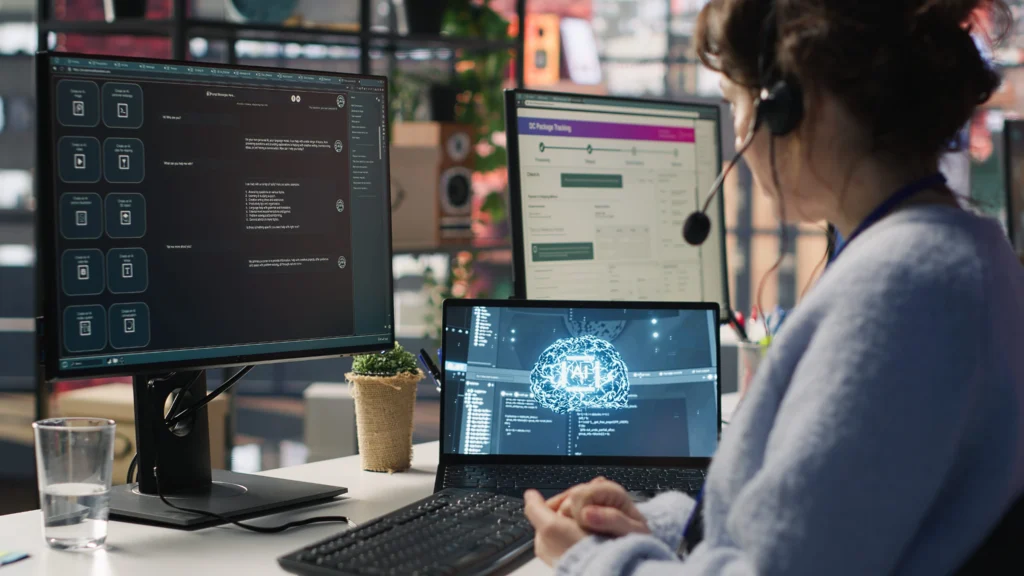
AI-Powered Helpdesk: Is Your IT Support Ready for Copilot Home?
I specialize in Copilot Home deployments, and I know first-hand how to bring this change across. Start by asking yourself one simple question. Can your IT helpdesk keep up with Copilot? As companies ramp up on their Copilot Home adoption plans, the reality hits home. Traditional IT helpdesk operations are struggling to cope. They cannot
I specialize in Copilot Home deployments, and I know first-hand how to bring this change across. Start by asking yourself one simple question. Can your IT helpdesk keep up with Copilot? As companies ramp up on their Copilot Home adoption plans, the reality hits home. Traditional IT helpdesk operations are struggling to cope. They cannot
Read full post on trndigital.com
Just Added to MSPdb™



MSP Jobs
All Jobs

MSP Marketplace
View All


Popular MSPs
View All