We get IT so you don't have to.
Discover leading Managed IT Service Providers across USA, Canada & the United Kingdom.
- 100s of leading MSPs
- Find a MSP near you
- Latest IT news for SMBs

Build a Cyber-Resilient IT Roadmap on Microsoft 365 | Sourcepass
For many small and mid-sized businesses (SMBs), IT modernization has meant moving to Microsoft 365, adopting cloud applications, and supporting a more distributed workforce. Those changes often improve productivity and flexibility, but they do not automatically improve resilience. In many cases, they introduce new operational risks, including fragmented identity management, unmanaged endpoints, cloud data protection gaps, and inconsistent recovery processes. At the same time, expectations around cyber resilience continue to rise. Cyber insurers increasingly assess multifactor authentication
For many small and mid-sized businesses (SMBs), IT modernization has meant moving to Microsoft 365, adopting cloud applications, and supporting a more distributed workforce. Those changes often improve productivity and flexibility, but they do not automatically improve resilience. In many cases, they introduce new operational risks, including fragmented identity management, unmanaged endpoints, cloud data protection gaps, and inconsistent recovery processes. At the same time, expectations around cyber resilience continue to rise. Cyber insurers increasingly assess multifactor authentication (MFA), endpoint detection and response (EDR), backup strategies, and incident response readiness during underwriting. Customers and business partners frequently require evidence of cybersecurity controls before entering or renewing contracts. As a result, SMB leaders need more than a technology roadmap. They need a cyber-resilient IT roadmap on Microsoft 365 that strengthens security, improves recovery capabilities, and aligns with business objectives. The most effective roadmaps treat Microsoft 365 as both a productivity platform and a security foundation, allowing identity, endpoint protection, backup, and incident readiness to mature together over time. Resources such as the https://cyberreadinessinstitute.org/resource/2023-cri-roadmap/ and the https://tsapps.nist.gov/publication/get_pdf.cfm?pub_id=957322 provide practical guidance for building a structured, risk-based cybersecurity strategy. Why SMBs Need a Microsoft 365-Centric Cyber-Resilient Roadmap Many organizations still approach security as a collection of separate projects rather than an integrated operating model. New applications are deployed, cloud migrations proceed, and infrastructure evolves, while security improvements are deferred until an audit, insurance renewal, or security incident forces action. A cyber-resilient roadmap addresses this challenge by ensuring that every modernization initiative contributes to measurable improvements in protection, detection, response, and recovery. For Microsoft-first organizations, a resilient roadmap is typically built around four foundational areas: Identity and access security Endpoint and device protection Data protection and backup Incident readiness and recovery When these areas evolve together, organizations can reduce operational risk while improving their ability to maintain business continuity during disruptive events. Microsoft 365 as the Security Foundation Microsoft 365 provides a natural foundation for cyber resilience because identity, collaboration, endpoint management, and security telemetry are closely integrated. Microsoft Entra ID supports authentication, Conditional Access, and identity governance. Microsoft Defender technologies help improve visibility into email, endpoint, and identity threats. Microsoft Intune enables device management and compliance enforcement across distributed workforces. Rather than adding disconnected point solutions, SMBs can often improve security outcomes by strengthening controls already available within their Microsoft ecosystem. Aligning Resilience With Business Risk Cyber resilience should be measured by business outcomes rather than technical deployments. Executives should understand how security investments support objectives such as: Reducing account compromise risk Improving operational continuity Shortening recovery times Meeting cyber insurance requirements Supporting client and regulatory obligations A roadmap built around these outcomes is easier to prioritize, fund, and maintain over time. Sequence Identity, Endpoint, Backup, and Incident Readiness Into Waves Organizations often struggle with cybersecurity initiatives because they attempt too much at once. A phased approach delivers faster progress and allows teams to demonstrate measurable improvements at each stage. Industry guidance from both the https://cyberreadinessinstitute.org/resource/2023-cri-roadmap/ and https://tsapps.nist.gov/publication/get_pdf.cfm?pub_id=957322 emphasizes incremental improvement rather than large-scale transformation projects. Wave 1: Strengthen Identity and Email Security Identity should be the first focus area because compromised credentials remain one of the most common entry points for attacks. Organizations should prioritize: Consolidating identities into Microsoft Entra ID Enforcing MFA for all users and administrators Blocking legacy protocols such as IMAP and POP Implementing Conditional Access policies Hardening Exchange Online through Microsoft Defender for Office 365 This first phase establishes stronger control over who can access business systems and under what conditions. Wave 2: Standardize Endpoint Protection Once identity controls are in place, attention should shift to devices. Every device connected to corporate resources should be managed, monitored, and capable of being secured or isolated if necessary. Key initiatives include: Standardizing Entra ID-joined devices Managing endpoints through Microsoft Intune Deploying EDR capabilities across all supported devices Establishing patch management standards Creating device compliance baselines The objective is not simply visibility. It is reducing the likelihood that compromised devices become a pathway to broader business disruption. Wave 3: Modernize Backup and Recovery Many SMBs assume cloud applications automatically satisfy backup requirements. In reality, cyber resilience depends on an organization's ability to restore business-critical data quickly and reliably. Microsoft recommends evaluating backup requirements separately from production workloads through resources such as the https://learn.microsoft.com/en-us/microsoft-365/backup/backup-overview?view=o365-worldwide. Organizations should define: Recovery Time Objectives (RTOs) Recovery Point Objectives (RPOs) Data retention requirements Critical Microsoft 365 workloads Independent recovery processes Combining Microsoft-native recovery capabilities with independent backup solutions can improve recovery flexibility and support broader ransomware resilience strategies. The https://securityandtechnology.org/blog/governance-and-cyber-risk-for-smes-remapping-the-blueprint-for-ransomware-defense/ also emphasizes recovery planning as a critical component of organizational resilience. Wave 4: Formalize Incident Readiness Even mature organizations will experience security incidents. The difference is how quickly they can respond and recover. Incident readiness should include documented procedures covering: Account compromise Business email compromise Malware and ransomware Data exposure events Executive communications Insurance escalation processes Organizations that rehearse these scenarios often identify process gaps long before they impact operations. Over time, incident readiness should evolve into a repeatable program that includes tabletop exercises, recovery testing, and continuous improvement. Keep Your Roadmap Aligned With Insurers and NIST CSF A cyber-resilient roadmap will only remain effective if progress is visible and measurable. Executives, insurers, and customers increasingly expect evidence that security investments are producing meaningful outcomes. Build a Cyber Resilience Scorecard Organizations should establish a concise set of metrics across four categories: Identity and Access MFA coverage Phishing-resistant authentication adoption Privileged account protection Endpoint Security Managed device coverage Endpoint compliance rates EDR deployment status Data Protection Backup success rates Recovery testing frequency Microsoft 365 workload protection coverage Incident Readiness Incident response plan reviews Tabletop exercise completion Mean time to detect and contain incidents These measurements help leadership evaluate risk reduction using objective criteria. Use NIST CSF 2.0 as a Governance Framework The https://tsapps.nist.gov/publication/get_pdf.cfm?pub_id=957322 provides a practical structure for organizing cybersecurity activities across six functions: Govern Identify Protect Detect Respond Recover Mapping Microsoft 365 security initiatives to these functions makes it easier to prioritize investments and communicate progress to stakeholders. Additional implementation guidance can be found in Sourcepass resources such as IT Governance for SMBs Using NIST CSF and Microsoft 365 and NIST CSF 2.0 for SMBs: A Practical Implementation Guide. Create Evidence for Insurers and Clients Cyber insurance providers increasingly require evidence that controls are implemented and operating effectively. Organizations should maintain a centralized evidence repository containing: Entra ID reports MFA adoption metrics Endpoint protection reports Backup validation records Incident response plans Security awareness documentation For Microsoft 365 organizations, SharePoint can serve as an effective location for maintaining this documentation. A well-maintained evidence package can significantly reduce effort during insurance renewals, client assessments, and compliance reviews. Establish an Executive Review Rhythm Roadmaps lose momentum when they become disconnected from business priorities. Successful organizations establish: Monthly operational reviews Quarterly resilience reviews Annual strategic roadmap assessments These meetings help leadership evaluate progress, prioritize future investments, and ensure resilience initiatives continue to align with business risk. Over time, this governance process transforms cybersecurity from a reactive function into an operational discipline that supports long-term growth and stability. FAQ What is a cyber-resilient IT roadmap? A cyber-resilient IT roadmap is a structured plan that helps an organization improve its ability to prevent, detect, respond to, and recover from cyber incidents. It typically includes initiatives focused on identity security, endpoint protection, backup and recovery, and incident readiness. Why should SMBs build a cyber-resilient IT roadmap on Microsoft 365? Microsoft 365 often serves as the central platform for productivity, identity, collaboration, and device management. Building a cyber-resilient IT roadmap on Microsoft 365 allows organizations to align security investments with existing technology while improving operational resilience. What should come first in a Microsoft 365 cyber resilience roadmap? Identity security should generally be prioritized first. Enforcing MFA, implementing Conditional Access, reducing legacy authentication, and strengthening Microsoft Entra ID configurations can reduce the risk of unauthorized access and account compromise. How does NIST CSF support a cyber-resilient roadmap? NIST CSF 2.0 provides a framework for organizing cybersecurity initiatives across governance, protection, detection, response, and recovery functions. It helps organizations prioritize investments and measure progress consistently. How does a cyber-resilient IT roadmap help with cyber insurance? Many cyber insurers evaluate authentication controls, endpoint protection, backup capabilities, and incident readiness. A documented roadmap with measurable progress and supporting evidence can demonstrate security maturity during underwriting and renewal processes. What metrics should SMBs track in a cyber-resilient IT roadmap? Organizations should monitor MFA adoption, phishing-resistant authentication coverage, managed device percentages, backup success rates, restore testing results, endpoint protection coverage, and incident response metrics. These indicators help demonstrate measurable improvements in resilience and risk reduction.
Read full post on blog.sourcepass.com
MSPdb™ News

HIPAA Cybersecurity Requirements for San Antonio Medical Practices
Short version. HIPAA does not publish a checklist. It requires a documented risk analysis, then ... Learn More
Short version. HIPAA does not publish a checklist. It requires a documented risk analysis, then ... Learn More
Read full post on uprite.com
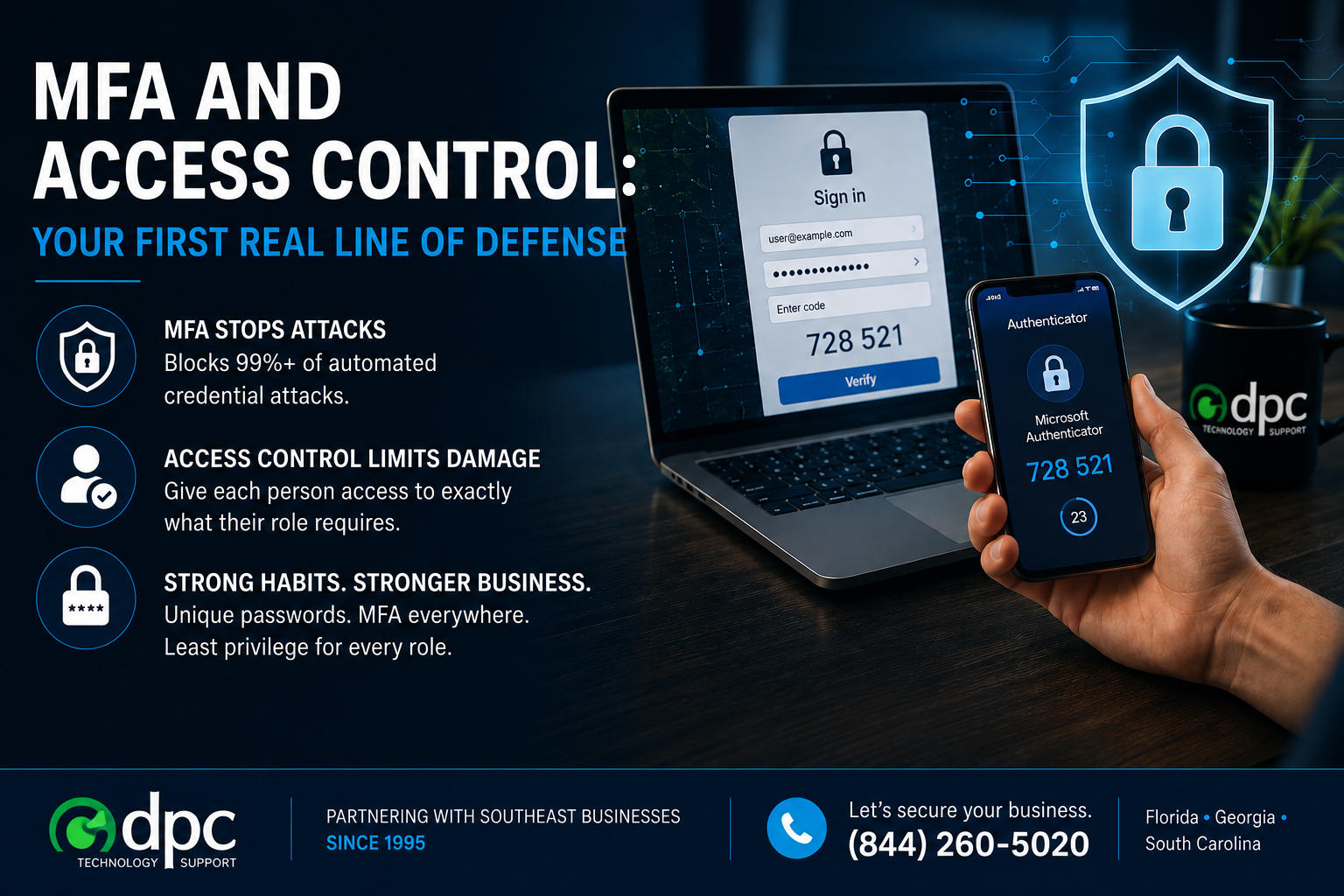
MFA and Access Control: Your First Real Line of Defense
If you do only one thing after reading this month's posts, do this one. Turn on multi-factor authentication everywhere you can. It is the single highest-return security move available to
If you do only one thing after reading this month's posts, do this one. Turn on multi-factor authentication everywhere you can. It is the single highest-return security move available to
Read full post on dpctechnology.com
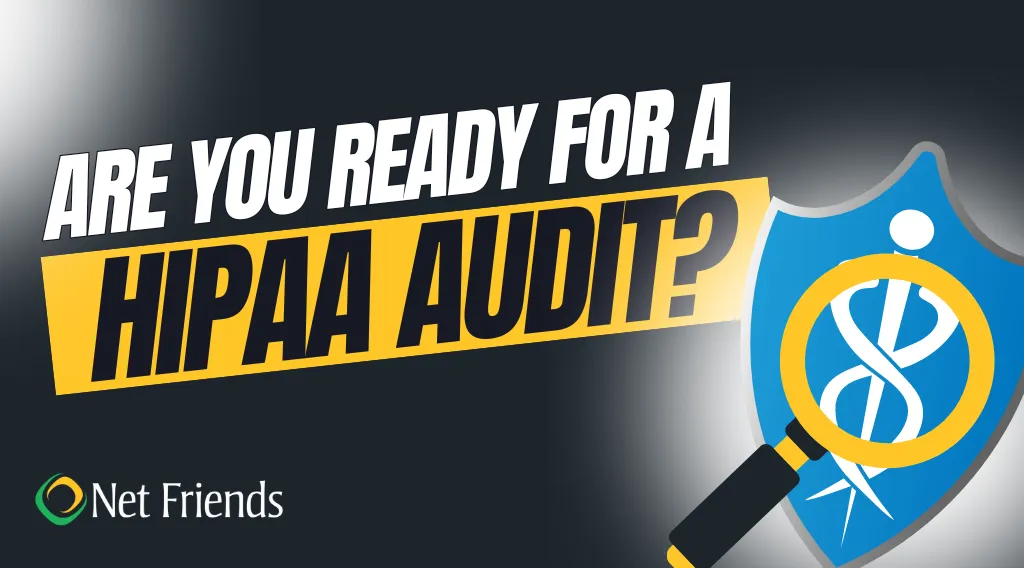
Are You Ready for a HIPAA Audit?
The Office for Civil Rights (OCR) recently announced that they will resume HIPAA compliance audits in 2024.
The Office for Civil Rights (OCR) recently announced that they will resume HIPAA compliance audits in 2024.
Read full post on netfriends.com

The Benefits Of IT Outsourcing For Stronger IT Control And Fewer Support Gaps
Delayed onboarding, unresolved helpdesk queues, exposed user accounts, procurement delays, and network interruptions do not stay inside IT. They show ...
Delayed onboarding, unresolved helpdesk queues, exposed user accounts, procurement delays, and network interruptions do not stay inside IT. They show ...
Read full post on charterts.com
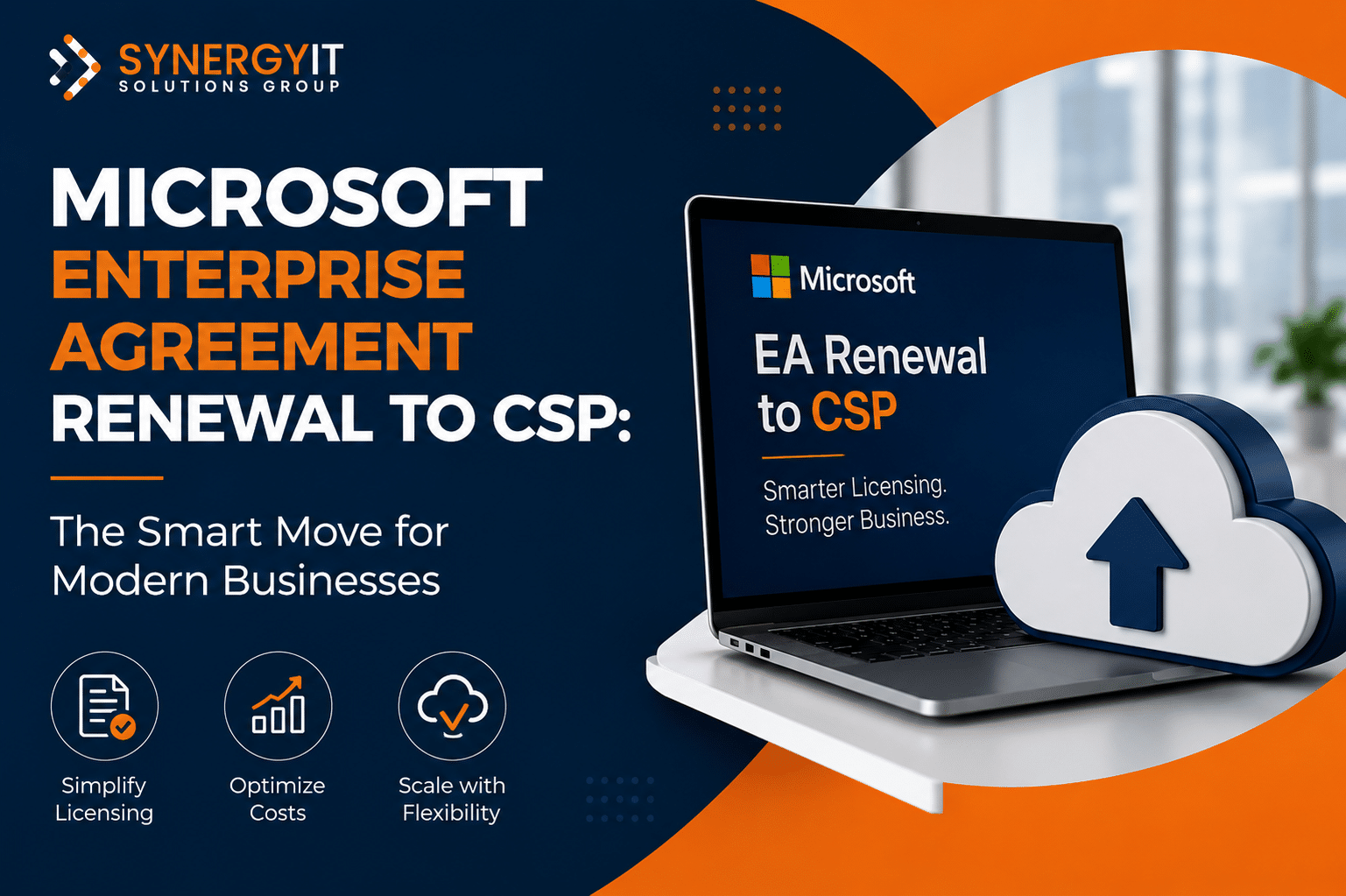
Microsoft Enterprise Agreement Renewal to CSP: The Smart Move for Modern Businesses
If your Microsoft Enterprise Agreement (EA) renewal is approaching, renewing the same agreement should not…
If your Microsoft Enterprise Agreement (EA) renewal is approaching, renewing the same agreement should not…
Read full post on blog.synergyit.ca
What Is A vCIO? Executive IT Guidance That Keeps Decisions Moving
A project lead is waiting on vendor approval. IT wants lower access risk, finance is watching cost, and compliance needs documentation before the cont...
A project lead is waiting on vendor approval. IT wants lower access risk, finance is watching cost, and compliance needs documentation before the cont...
Read full post on adrem.com

Why San Antonio Businesses Are Top Targets for Ransomware
San Antonio is not targeted because of its name. It is targeted because its business ... Learn More
San Antonio is not targeted because of its name. It is targeted because its business ... Learn More
Read full post on uprite.com

IT Support Planning Checklist for Multi-Location Businesses
If your company operates out of more than one office, warehouse, or retail location, IT problems rarely stay contained to a single site. A password reset issue at one office turns into a help desk backlog at three others, and an internet outage at your busiest location can stall orders company-wide. This IT support planning…
If your company operates out of more than one office, warehouse, or retail location, IT problems rarely stay contained to a single site. A password reset issue at one office turns into a help desk backlog at three others, and an internet outage at your busiest location can stall orders company-wide. This IT support planning…
Read full post on swifttechsolutions.com

AI Solutions for Business: Types, Platforms, and How to Choose
Artificial intelligence has moved from experiment to operating reality. According to McKinsey’s State of AI report (November 2025), 88 percent of organizations now use AI in at least one business function, up from 78 percent a year earlier. The harder question is no longer whether to adopt AI, but which AI solutions actually fit your
Artificial intelligence has moved from experiment to operating reality. According to McKinsey’s State of AI report (November 2025), 88 percent of organizations now use AI in at least one business function, up from 78 percent a year earlier. The harder question is no longer whether to adopt AI, but which AI solutions actually fit your
Read full post on itsolutions-inc.com
Microsoft Copilot: Why Some Teams See Results and Others Don’t
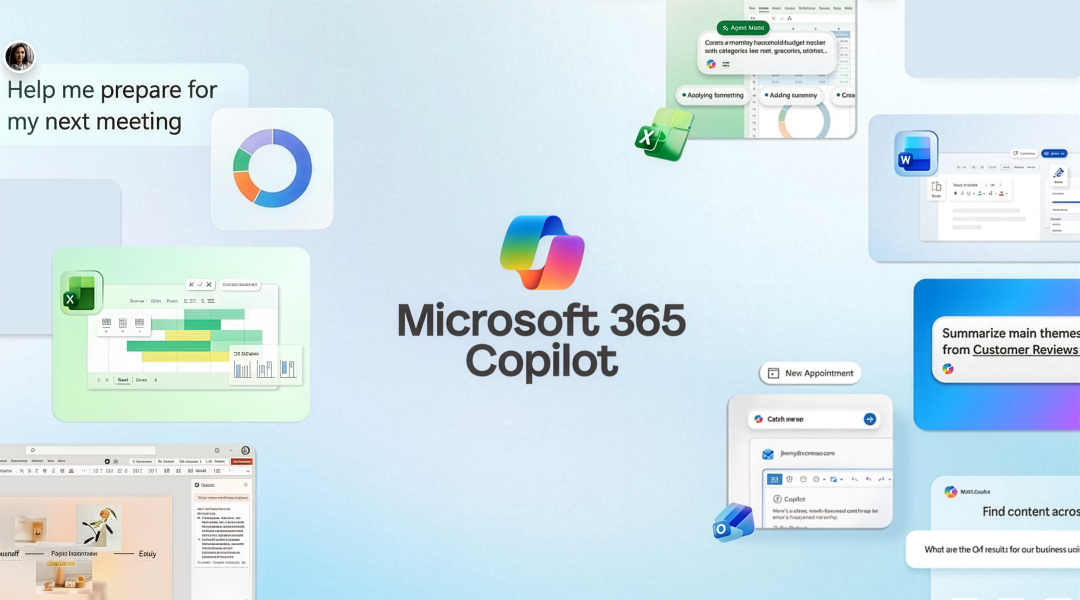
Image sourced from Microsoft The difference isn’t the technology. It’s how you prepare, adopt, and use it every day. There’s no shortage of conversation around Microsoft Copilot right now. There’s …
Image sourced from Microsoft The difference isn’t the technology. It’s how you prepare, adopt, and use it every day. There’s no shortage of conversation around Microsoft Copilot right now. There’s …
Read full post on mirazon.com
Just Added to MSPdb™


MSP Jobs
All Jobs
MSP Marketplace
View All


Popular MSPs
View All