IT's time to call the experts.
Discover leading Managed IT Service Providers across USA, Canada & the United Kingdom.
- 100s of leading MSPs
- Find a MSP near you
- Latest IT news for SMBs


Vulnerability Management for SMBs: A Practical Guide | Sourcepass
Small and midsize businesses rarely have a shortage of vulnerabilities to address. The harder problem is determining which vulnerabilities create meaningful business risk, assigning someone to remediate them, and confirming that the exposure is actually gone. Vulnerability management gives SMBs a structured way to discover weaknesses, prioritize remediation, coordinate SMB patch management, and measure whether the attack surface is shrinking. It goes beyond installing updates. Organizations may need to change configurations, remove outdated software, restrict access, isolate systems, apply c
Small and midsize businesses rarely have a shortage of vulnerabilities to address. The harder problem is determining which vulnerabilities create meaningful business risk, assigning someone to remediate them, and confirming that the exposure is actually gone. Vulnerability management gives SMBs a structured way to discover weaknesses, prioritize remediation, coordinate SMB patch management, and measure whether the attack surface is shrinking. It goes beyond installing updates. Organizations may need to change configurations, remove outdated software, restrict access, isolate systems, apply compensating controls, or eventually replace technology that cannot be adequately secured. defines enterprise patch management as identifying, prioritizing, acquiring, installing, and verifying patches, updates, and upgrades. Its guidance treats patching as preventive maintenance and recommends an enterprise strategy to operationalize the process while reducing risk. Review NIST SP 800-40 Rev. 4. For SMB leaders, the objective should not be eliminating every vulnerability as quickly as possible. It should be establishing a repeatable process that directs limited resources toward the exposures most relevant to the business. Vulnerability Management Starts With Asset Visibility Cybersecurity teams cannot evaluate exposure effectively if they do not understand which technology the business operates. That inventory can be challenging for an SMB because the technology environment may extend well beyond employee laptops. Depending on the organization, vulnerability management may need to account for: Windows endpoints Servers Network infrastructure Internet-facing systems Business-critical applications Cloud workloads Remote devices Vendor-managed technology Unsupported or legacy systems For Microsoft-focused organizations, the broader environment can also include Microsoft 365 identities, Microsoft Azure workloads, Microsoft Intune-managed endpoints, and devices protected through Microsoft Defender. The vulnerability program needs to connect those different environments into an understandable view of the organization's exposure. Asset Context Changes Remediation Priority An inventory becomes more useful when IT can distinguish business-critical technology from lower-impact assets. For each important asset or system, document relevant context such as: Business owner Technical owner Business function External exposure Data sensitivity Security controls Application dependencies Vendor support status Recovery requirements These details give vulnerability findings context. A scanner can identify a technical weakness. It cannot make every business decision associated with remediating it. Vulnerability Management Is Broader Than SMB Patch Management Patching is a central part of vulnerability management, but the terms should not be used interchangeably. NIST's enterprise patch management guidance specifically describes a process of identifying, prioritizing, acquiring, installing, and verifying patches, updates, and upgrades throughout an organization. NIST also frames patching as preventive maintenance and recommends developing an enterprise strategy to simplify and operationalize patching. [csrc.nist.gov] Vulnerability management has a broader decision framework. Depending on the weakness and the system involved, an SMB may decide to: Install a security update Upgrade an application Change an insecure configuration Remove unused software Disable an unnecessary service Restrict network access Isolate a device Apply another mitigating security control Replace unsupported technology Temporarily accept a documented risk This matters because a patch is not always immediately available or operationally appropriate. The business still needs a decision, an owner, and a way to track the remaining exposure. Prioritize Vulnerability Remediation by Business Risk A vulnerability list is not a remediation strategy. SMBs have finite IT resources, limited maintenance windows, application dependencies, vendor constraints, and legitimate concerns about disrupting operations. Treating every finding as equally urgent can direct attention away from more important exposures. A stronger prioritization process combines technical findings with business context. Consider factors such as: Known exploitation Internet exposure Asset importance Data sensitivity Privileges associated with the affected system Existing security controls Business dependencies Availability of remediation The resulting priority should answer a useful operational question: Which vulnerability should we address next, and why does it matter more than the others? Use Known Exploitation to Improve Prioritization Not every vulnerability has the same evidence of real-world exploitation. The CISA Known Exploited Vulnerabilities Catalog is an authoritative source of vulnerabilities known to have been exploited in the wild. CISA specifically recommends using the catalog as an input to vulnerability-management prioritization. Review the CISA Known Exploited Vulnerabilities Catalog. For an SMB, that provides an important additional signal when determining remediation urgency. A vulnerability's technical severity still matters, but organizations should also ask whether there is evidence of active exploitation and whether their affected system is exposed in a way that makes exploitation relevant. Give Critical Business Systems Additional Context Some systems deserve closer review because of the business functions they support. Examples may include: Identity infrastructure Internet-facing applications Backup infrastructure Domain controllers Systems containing sensitive business information Critical line-of-business applications This does not mean every vulnerability affecting these systems automatically receives the highest possible priority. It means their importance should influence the remediation decision. A technically severe issue on an isolated test system and an actively exploited vulnerability on an internet-accessible business system create different operational decisions. Assign Every Material Vulnerability a Decision and Owner A finding should not remain open simply because nobody knows who is responsible for it. For prioritized vulnerabilities, record: Affected asset Business owner Remediation owner Risk being addressed Selected remediation Dependencies Target date Validation method Exception or acceptance rationale when applicable Ownership is particularly important when remediation crosses organizational boundaries. IT may own the endpoint, but a software vendor may need to certify an application update. Operations may need to approve downtime. A department owner may need to validate that an application still works after remediation. The security team's role is to make the risk and required decision clear enough for those groups to act. Coordinate Vulnerability Remediation With Business Operations Applying a security update without considering application dependencies can create unnecessary operational problems. Delaying every update because disruption is possible creates a different problem. The answer is a defined remediation process. emphasizes prioritizing and verifying patch installation as part of enterprise patch management, while also recommending an organizational strategy for operationalizing patching. [csrc.nist.gov] For changes that could materially affect business systems, teams should plan for the operational requirements surrounding remediation. Depending on the system, that can include testing, business-owner coordination, recovery preparation, and post-change validation. The important behavior change is moving from reactive patch installation to owned remediation decisions. Connect Microsoft Security Tools to Vulnerability Operations For organizations operating primarily in Microsoft environments, vulnerability management should not function as a completely separate security program. Microsoft 365 identity controls, endpoint administration, device configuration, cloud workloads, and network security can all provide context when evaluating exposure. For example, vulnerability findings affecting managed Windows endpoints should inform the endpoint-management process. Findings associated with identity infrastructure should be considered alongside identity security. Network exposure should be evaluated together with firewall policy and segmentation. The objective is operational coordination. A managed security program can support this process by combining vulnerability detection, endpoint management, remediation tracking, patch coordination, and reporting. The business still needs to determine how much operational disruption it can accept and which systems matter most. Manage Vulnerability Exceptions as Temporary Risk Decisions Some findings cannot be fixed immediately. A vendor may not have released an update. A critical application may not support the newer software version. An upgrade may require a larger modernization project. Leaving those vulnerabilities indefinitely open is not a strategy. Create an exception that records: Why remediation is not currently feasible Who owns the risk Which systems are affected What compensating control exists What condition would allow remediation When the decision will be reviewed Temporary risk acceptance should remain visible. Otherwise, a short-term operational decision can quietly become a permanent part of the organization's attack surface. Measure Vulnerability Management by Risk Reduction Counting installed patches can show activity. It does not necessarily show whether the organization's most important exposures are declining. A better vulnerability management dashboard combines coverage, remediation, exceptions, and validation. Useful measures can include: Percentage of known assets covered by vulnerability assessment Critical findings past their approved remediation date Open vulnerabilities listed in the CISA Known Exploited Vulnerabilities Catalog Average remediation time by risk tier Age of approved vulnerability exceptions Percentage of completed remediations that have been validated Number of critical assets with unresolved high-priority findings Number of assets no longer reporting to required security tools The CISA KEV Catalog is specifically intended to be used as an input into vulnerability-management prioritization, making open KEV-listed vulnerabilities a particularly useful category to monitor where relevant to the organization's technology. [cisa.gov] The right metrics should help leadership answer three questions: Can we see our material exposure? Are we addressing the most important findings? Can we verify that remediation worked? Do Not Mistake Missing Data for Remediation An asset disappearing from a vulnerability dashboard does not necessarily mean its vulnerabilities were fixed. The device may be offline. An endpoint agent may have stopped functioning. A cloud integration may have failed. The asset may have been replaced without the inventory being updated. This is why asset visibility and vulnerability management need to operate together. Establish internal checks for the systems providing vulnerability and asset information. Investigate assets that unexpectedly stop reporting rather than automatically treating their findings as resolved. The distinction matters for executive reporting. Risk has declined only when the underlying exposure has changed, not simply because a finding no longer appears on a dashboard. Use Recurring Vulnerabilities to Identify Bigger IT Problems Repeated findings can expose weaknesses in the operating model. If the same application repeatedly misses updates, the underlying problem may involve unclear software ownership, difficult maintenance windows, outdated packaging, or limited vendor support. If unsupported systems regularly require exceptions, the larger issue may be lifecycle management. If exposed services repeatedly generate urgent vulnerabilities, the organization may need to reconsider architecture, network segmentation, or how those applications are delivered. If devices frequently fall outside patching standards, endpoint standardization may deserve investment. Vulnerability management should therefore feed the organization's technology roadmap. The findings explain not only where individual vulnerabilities exist, but where broader operational improvements may reduce recurring work. Validate Vulnerability Remediation Before Closing the Finding A completed change request does not prove that a vulnerability has been resolved. explicitly includes verification of patch installation within its definition of enterprise patch management. [csrc.nist.gov] That principle should extend throughout vulnerability remediation. Depending on the finding, validation may involve confirming: The intended update is installed The vulnerable application version is no longer present The affected service has been removed or disabled The insecure configuration has changed The vulnerable asset is no longer exposed The mitigating control is operating as intended The exact test depends on the weakness, but the operating principle stays the same: Remediation is complete when the exposure has been verified as addressed, not simply when someone marks the task complete. Build a Repeatable Vulnerability Management Cycle An effective SMB vulnerability management program should become a normal operating process rather than an occasional cleanup project. A straightforward cycle is: 1. Discover Maintain visibility into the technology that needs to be assessed. 2. Prioritize Evaluate findings using technical risk, exploitation evidence, exposure, asset importance, and business context. 3. Assign Give material vulnerabilities an accountable owner, target, and decision. 4. Remediate Patch, upgrade, reconfigure, restrict, isolate, replace, or apply another approved treatment. 5. Validate Verify that the intended change addressed the exposure. 6. Measure Track coverage, overdue risk, known exploitation, remediation performance, and exceptions. 7. Improve Use recurring findings and remediation blockers to inform endpoint management, network architecture, application lifecycle planning, and the broader security roadmap. That operating rhythm matters more than generating another vulnerability report. For SMB leaders, the desired result is an environment where IT can identify material exposures, explain which ones matter most, show who owns remediation, and demonstrate whether the organization's attack surface is actually being reduced. FAQ What is vulnerability management? Vulnerability management is the ongoing process of identifying security weaknesses, evaluating their risk, prioritizing remediation, assigning ownership, addressing the exposure, and validating the outcome. It is broader than patching because remediation can also involve configuration changes, access restrictions, software removal, system replacement, or other mitigating controls. What is the difference between vulnerability management and patch management? Patch management focuses on software patches, updates, and upgrades. NIST SP 800-40 Rev. 4 defines enterprise patch management as identifying, prioritizing, acquiring, installing, and verifying those changes. Read NIST's enterprise patch management guidance. Vulnerability management is broader because not every vulnerability is resolved by installing a patch. How should SMBs prioritize vulnerability remediation? SMBs should consider technical severity alongside factors such as known exploitation, internet exposure, asset importance, data sensitivity, business dependencies, and available security controls. CISA recommends using its Known Exploited Vulnerabilities Catalog as an input into vulnerability-management prioritization. [cisa.gov] What is the CISA Known Exploited Vulnerabilities Catalog? The CISA Known Exploited Vulnerabilities Catalog, commonly called the KEV Catalog, is an authoritative source of vulnerabilities known to have been exploited in the wild. CISA recommends that organizations use it as an input to their vulnerability-management prioritization framework. View the CISA KEV Catalog. Should SMBs patch every vulnerability immediately? Not every vulnerability carries the same risk or has the same remediation requirements. SMBs should prioritize findings using factors such as exploitation evidence, exposure, business importance, and remediation feasibility. Findings that cannot be immediately addressed should remain visible through a documented risk or exception process. What vulnerability management metrics should SMBs track? Useful metrics include asset assessment coverage, overdue high-priority vulnerabilities, open known-exploited vulnerabilities, remediation time by risk tier, exception age, and validated remediation rates. The specific metrics should help leadership determine whether important exposures are being identified and reduced. How does vulnerability management fit into Microsoft 365 security? For Microsoft-focused SMBs, vulnerability management should complement identity, endpoint, device, cloud, and network security. Vulnerability findings can inform endpoint remediation and broader technology decisions, while Microsoft 365 identity security addresses access risks that vulnerability scanning alone does not resolve. Can managed cybersecurity support vulnerability management? Managed cybersecurity can support operational activities such as vulnerability discovery, prioritization, reporting, remediation tracking, endpoint management, and patch coordination. Business and technology owners should still remain accountable for decisions involving critical systems, operational disruption, exceptions, and accepted risk. How do you know whether vulnerability remediation worked? Do not rely only on a completed ticket. Validate that the intended technical change occurred and that the underlying exposure has been addressed. NIST includes verification of patch installation as part of the enterprise patch management process. [csrc.nist.gov]
Read full post on blog.sourcepass.com
MSPdb™ News

IT Managed Services in Columbus, Ohio: A Manufacturer's Guide to Choosing One


When Staff Tap Approve Without Reading: How MFA Gets Beaten
Direct Answer: An attacker who already has a password spams repeated login approval prompts until a tired employee taps approve. The password still worked. The second factor got answered by the wrong person. Your insurance renewal asked whether you had multifactor authentication turned on. You said yes, because you do. That was the right answer
Direct Answer: An attacker who already has a password spams repeated login approval prompts until a tired employee taps approve. The password still worked. The second factor got answered by the wrong person. Your insurance renewal asked whether you had multifactor authentication turned on. You said yes, because you do. That was the right answer
Read full post on adaptiveis.net


Prepare Your Tech Infrastructure to Capture Every Business Opportunity
Winning every single play in business is mathematically impossible. Prospects change their minds, market conditions shift, and unexpected operational hiccups have a habit of showing up right after a solid quarter. Because you cannot win every situation, squeezing maximum value out of the situations you do win is critical to staying profitable.When momentum swings in your favor, you need to capitalize on it immediately. Pushing high traffic or high lead volumes through broken, manual processes wastes the exact advantage you worked hard to build. Technology is what bridges the gap between tempor
Winning every single play in business is mathematically impossible. Prospects change their minds, market conditions shift, and unexpected operational hiccups have a habit of showing up right after a solid quarter. Because you cannot win every situation, squeezing maximum value out of the situations you do win is critical to staying profitable.When momentum swings in your favor, you need to capitalize on it immediately. Pushing high traffic or high lead volumes through broken, manual processes wastes the exact advantage you worked hard to build. Technology is what bridges the gap between temporary good fortune and actual, sustained revenue.
Read full post on coretechllc.com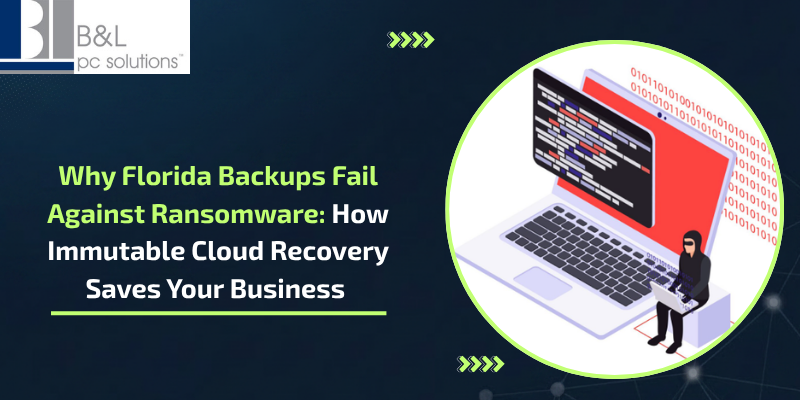
Why Florida Backups Fail Against Ransomware: How Immutable Cloud Recovery Saves Your Business
Let us face the truth about running a business along the Florida Gulf Coast. When hurricane season rolls around, our business batted down the hatches, secured its assets, and made sure its emergency power generators were fueled up and ready ...
Let us face the truth about running a business along the Florida Gulf Coast. When hurricane season rolls around, our business batted down the hatches, secured its assets, and made sure its emergency power generators were fueled up and ready ...
Read full post on blpc.com

Stop Tech Problems Early with Regular IT Maintenance in Valley Springs
Learn how IT maintenance services help Valley Springs businesses prevent downtime, protect data, strengthen security, and reduce repair costs with RJ PRO Tech Group.
Learn how IT maintenance services help Valley Springs businesses prevent downtime, protect data, strengthen security, and reduce repair costs with RJ PRO Tech Group.
Read full post on rj-pro.net

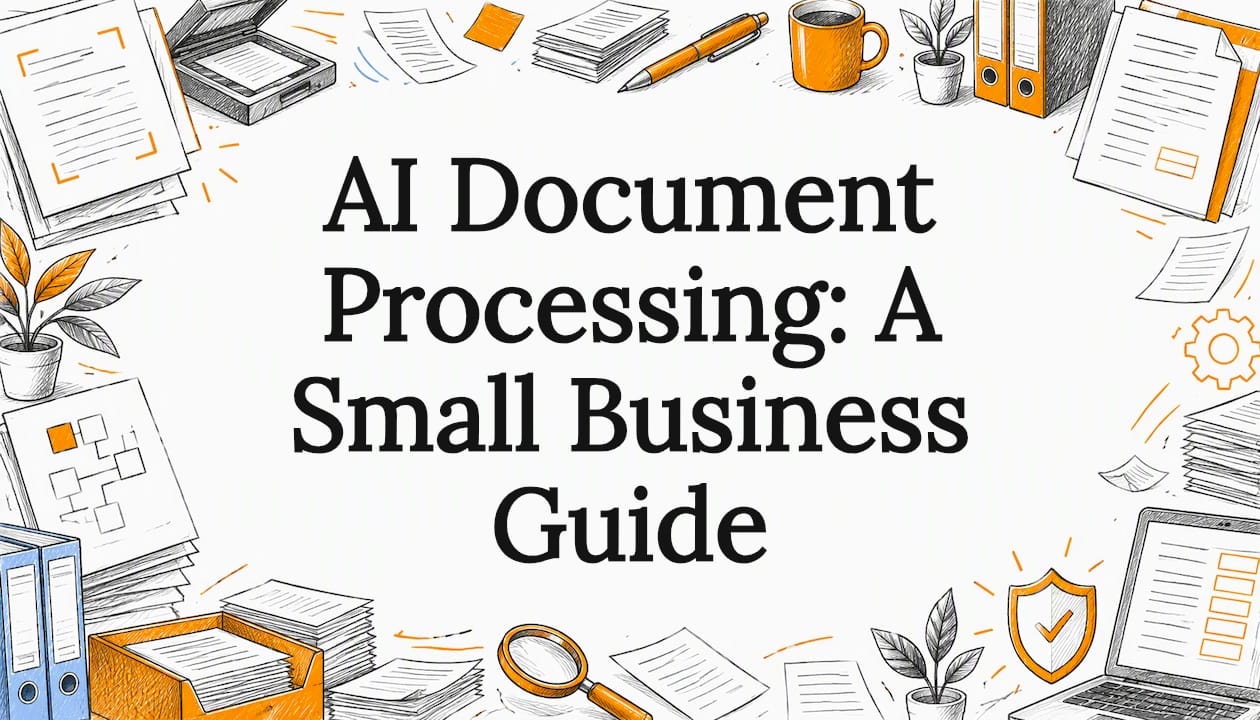
AI Document Processing: A Small Business Guide
What AI document processing does, what it costs, where it goes wrong with sensitive data, and how to start a pilot without exposing client records.
What AI document processing does, what it costs, where it goes wrong with sensitive data, and how to start a pilot without exposing client records.
Read full post on mytekrescue.com
How to Budget Annual Technology Expenses
Learn how to budget annual technology expenses for security, support, software, and replacement planning while keeping costs predictable and controlled.
Learn how to budget annual technology expenses for security, support, software, and replacement planning while keeping costs predictable and controlled.
Read full post on priscanova.com

Are Browser-Saved Passwords Enough to Protect Your Business?
Saving a password in your browser takes one click. When you’re moving between email, accounting software, customer portals, and other tools throughout the day, that convenience adds up.
Saving a password in your browser takes one click. When you’re moving between email, accounting software, customer portals, and other tools throughout the day, that convenience adds up.
Read full post on blog.bizco.com

Cybersecurity Awareness Month 2026: A Four-Week Plan For Charter Schools
# Cybersecurity Awareness Month 2026: A Four-Week Plan for Charter Schools ## Table of contents - [Why cybersecurity awareness matters for New York ...
# Cybersecurity Awareness Month 2026: A Four-Week Plan for Charter Schools ## Table of contents - [Why cybersecurity awareness matters for New York ...
Read full post on charterts.com

Five Years as the Most-Attacked Industry: Securing Manufacturers
For the fifth straight year, manufacturing was the most attacked industry in the world. And that’s not a coincidence; it’s
For the fifth straight year, manufacturing was the most attacked industry in the world. And that’s not a coincidence; it’s
Read full post on netrio.com
Just Added to MSPdb™



MSP Jobs
All Jobs

MSP Marketplace
View All


Popular MSPs
View All