Let's make the most of IT.
Discover leading Managed IT Service Providers across USA, Canada & the United Kingdom.
- 100s of leading MSPs
- Find a MSP near you
- Latest IT news for SMBs

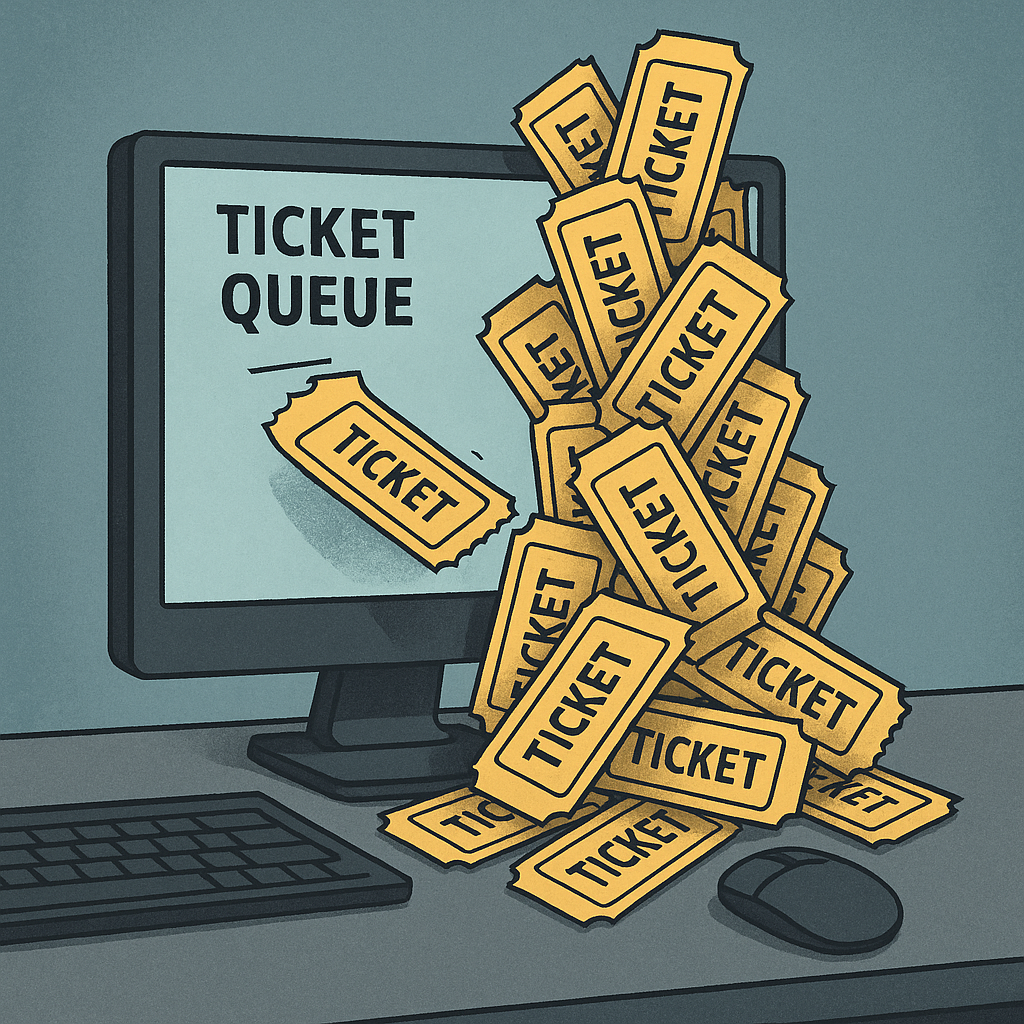
Help Desk Down? Why Losing Support Staff Hurts More Than You Think
It happens:Your help desk technician gives notice. Or two of them do. Suddenly, the people who answer every “I can’t log in” and “Why is my printer doing that?” are gone—and now those issues are landing on the wrong desks. And let’s be honest—if your CIO is resetting passwords, something’s gone sideways. Help Desk Isn’t Just a Support Function—It’s an Efficiency Engine When functioning properly, your help desk is the invisible force that keeps operations running smoothly. They're: Resolving 80% of user issues before they escalate Keeping ticket resolution times within SLA
It happens:Your help desk technician gives notice. Or two of them do. Suddenly, the people who answer every “I can’t log in” and “Why is my printer doing that?” are gone—and now those issues are landing on the wrong desks. And let’s be honest—if your CIO is resetting passwords, something’s gone sideways. Help Desk Isn’t Just a Support Function—It’s an Efficiency Engine When functioning properly, your help desk is the invisible force that keeps operations running smoothly. They're: Resolving 80% of user issues before they escalate Keeping ticket resolution times within SLAs Preventing interruptions to workdays across every department Acting as the eyes and ears for larger IT problems on the horizon Enforcing best practices for user behavior and security hygiene When your help desk coverage drops, even temporarily, the effects ripple out fast. What Happens When Help Desk Coverage Fails Here’s what we typically see: ⏱️ Response times skyrocket – Tickets sit in queues longer, users wait. 📣 Frustrated employees – Internal staff begins bypassing IT or creating workarounds (read: risks). 📉 Project delays – Higher-level IT staff are pulled into frontline support. 🧯 Band-aid solutions – Complex problems get temporary fixes to get users back online fast. 💸 Productivity loss – When 30 people each lose 30 minutes a day to small tech issues, that's real money. The kicker? Most of this doesn’t trigger a red alert. It just quietly chips away at efficiency and morale. Can You “Get By” Without a Help Desk Tech? Technically? Sure.Should you? Probably not. Without structured help desk coverage, your business relies on: Untrained staff solving technical issues on their own Managers stepping in to support their teams (with mixed results) Other IT roles burning time on tasks that aren’t aligned with their strengths That’s not sustainable—and it’s definitely not cost-effective. What a Strong MSP Can Do When Help Desk Staff Transition Out Based on decades of experience, here’s what a solid managed IT provider should deliver during help desk staff transitions: ✅ Tiered Support (Tier 1, 2, and 3) Let your higher-level IT team focus on infrastructure and projects while Tier 1 support handles the frontline noise—passwords, login issues, desktop problems. ✅ SLA-Driven Coverage A reliable MSP will adhere to clearly defined response and resolution times, even during high volume periods—keeping your user satisfaction high. ✅ Ticket Triage & Prioritization Instead of working through a ticket pile blindly, MSPs prioritize by severity, business impact, and service level agreements—so nothing falls through the cracks. ✅ User Satisfaction Metrics End-user experience matters. A good provider measures and tracks CSAT (customer satisfaction) to make sure your team isn’t just getting answers—but getting them efficiently and professionally. ✅ 24/7 or Extended Hour Support With internal staff gaps, it's harder to manage coverage outside of business hours. An MSP with around-the-clock support helps ensure uptime and coverage, even when your internal team clocks out. ✅ Documentation & Knowledge Management Help desk transitions are notorious for creating knowledge gaps. A good MSP maintains up-to-date SOPs, FAQs, and documentation for faster issue resolution and smoother handoffs. The Bottom Line: The Help Desk Isn’t Optional Your help desk is the nerve center of your IT ecosystem. Without it, even minor issues snowball into major productivity and morale drains. So if you’re facing a staffing gap—whether temporary or long-term—don’t try to tough it out. It costs more than it saves. The right MSP won't just “answer tickets”—they’ll stabilize your operations and keep IT aligned with business productivity, even in the face of unexpected departures.
Read full post on blog.whitehatvirtual.com
MSPdb™ News
Identity-Based Attacks: Why Passwords Are No Longer Enough in Cybersecurity
Just think about it. How many passwords do you have right now? Email, bank, work apps, social media, shopping sites, and many other platforms. Most people reuse the same one or two passwords across all of them. Hackers know this. And they are counting on it. A company can have strong firewalls and still get
Just think about it. How many passwords do you have right now? Email, bank, work apps, social media, shopping sites, and many other platforms. Most people reuse the same one or two passwords across all of them. Hackers know this. And they are counting on it. A company can have strong firewalls and still get
Read full post on panatexperts.com

How Healthcare IT Solutions are Revolutionizing Healthcare
Healthcare IT solutions are transforming the industry by improving patient care, streamlining operations, and enabling real-time data access across connected systems. From smart medical devices and cloud-based platforms to integrated apps and analytics tools, modern technology allows providers to deliver faster diagnoses, more personalized treatments, and better coordination between care teams. These advancements are reshaping how healthcare organizations manage information, reduce costs, and enhance outcomes in an increasingly digital and connected environment.
Healthcare IT solutions are transforming the industry by improving patient care, streamlining operations, and enabling real-time data access across connected systems. From smart medical devices and cloud-based platforms to integrated apps and analytics tools, modern technology allows providers to deliver faster diagnoses, more personalized treatments, and better coordination between care teams. These advancements are reshaping how healthcare organizations manage information, reduce costs, and enhance outcomes in an increasingly digital and connected environment.
Read full post on blog.centretechnologies.com

Why In-House Compliance Programs Fail in 2026
Running an in-house compliance program sounds like the safest path to regulatory control. You have direct oversight, institutional knowledge, and a dedicated team answering to your leadership. Yet many mid-market IT and security leaders are discovering that building compliance internally creates gaps that undermine the very security posture they’re trying to protect. Corsica Technologies helps
Running an in-house compliance program sounds like the safest path to regulatory control. You have direct oversight, institutional knowledge, and a dedicated team answering to your leadership. Yet many mid-market IT and security leaders are discovering that building compliance internally creates gaps that undermine the very security posture they’re trying to protect. Corsica Technologies helps
Read full post on corsicatech.com

Automated Licensing Audit: Stop Paying Hosted VoIP Fees for Ex-Employees and Dead Extensions
Learn how automated IT audits can catch license creep, shut down dead extensions, and keep tools from draining your budget month after month.
Learn how automated IT audits can catch license creep, shut down dead extensions, and keep tools from draining your budget month after month.
Read full post on mytekrescue.com
How Much Do Managed IT Services Cost in Orlando?
If you want the quick answer, most Orlando small and mid sized businesses should expect managed IT services to cost about $125 to $200 per user, per month for standard fully managed support. A small company with around 10 employees may spend $1,000 to $3,000 per month, a 25-person business often lands around $3,000 to
If you want the quick answer, most Orlando small and mid sized businesses should expect managed IT services to cost about $125 to $200 per user, per month for standard fully managed support. A small company with around 10 employees may spend $1,000 to $3,000 per month, a 25-person business often lands around $3,000 to
Read full post on cuttingedgenet.com

How IT Services Help Your Team Succeed
The right IT services don’t just keep your network running. They change what your people can do on a Tuesday morning. They change whether a new hire feels competent on day three or day thirty. They change whether your best salesperson spends her afternoon closing deals or waiting on hold with a help desk that
The right IT services don’t just keep your network running. They change what your people can do on a Tuesday morning. They change whether a new hire feels competent on day three or day thirty. They change whether your best salesperson spends her afternoon closing deals or waiting on hold with a help desk that
Read full post on stringfellow.com
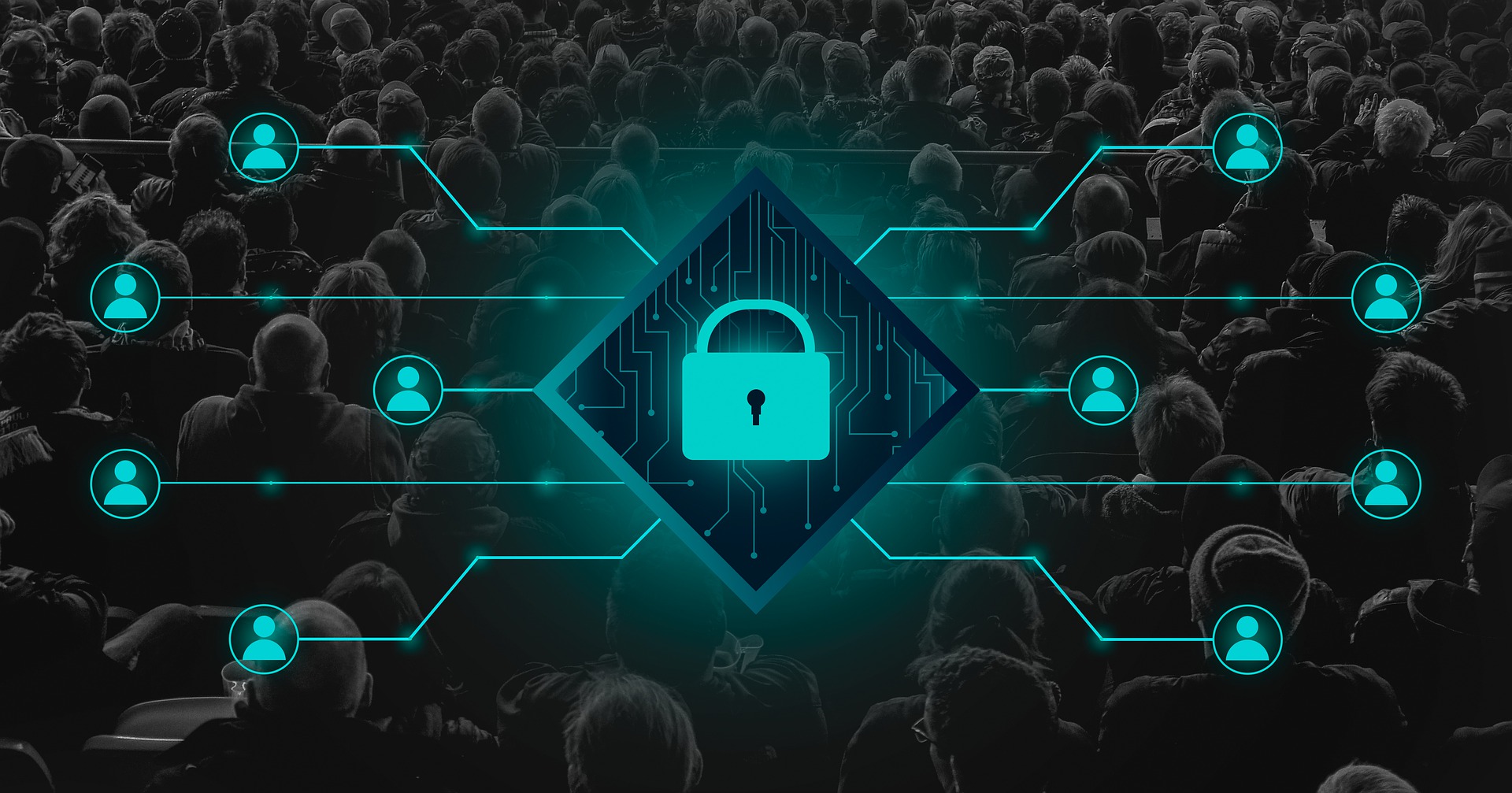
AI Security for Business Leaders: Why This Risk Starts at the Top
Artificial intelligence is no longer something businesses are simply “watching.” It is already showing up in daily work: In each
Artificial intelligence is no longer something businesses are simply “watching.” It is already showing up in daily work: In each
Read full post on npi.net

How The ITeam Helps You Use Agentic AI Safely
Agentic AI has the potential to create value across many industries, but only if it is deployed with caution.
Agentic AI has the potential to create value across many industries, but only if it is deployed with caution.
Read full post on theiteam.ca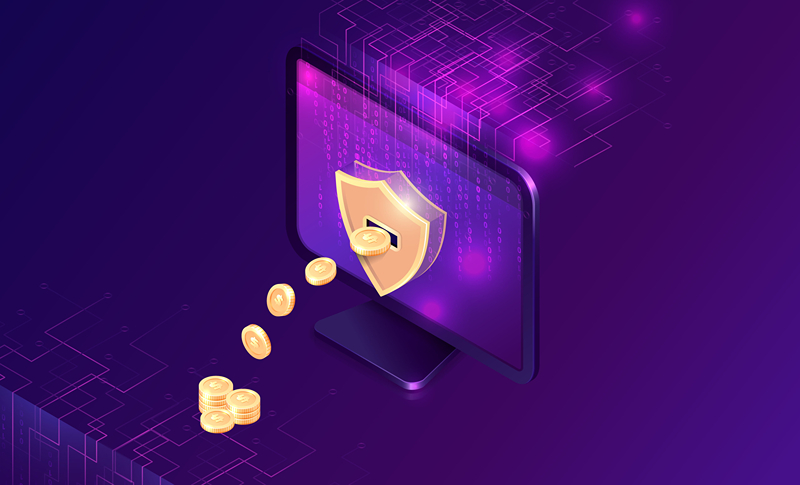
Cybersecurity Pricing Guide: Costs, Benefits, and How toChoose the Best Cybersecurity Company in 2026
Cybersecurity is no longer optional for modern businesses. As cyberattacks become more sophisticated and regulatory requirements continue to evolve, organizations of all sizes are investing in cybersecurity solutions to protect sensitive data, maintain business continuity, and reduce financial risk. One of the most common questions business leaders ask is: “How much does cybersecurity cost?”Unfortunately, there
Cybersecurity is no longer optional for modern businesses. As cyberattacks become more sophisticated and regulatory requirements continue to evolve, organizations of all sizes are investing in cybersecurity solutions to protect sensitive data, maintain business continuity, and reduce financial risk. One of the most common questions business leaders ask is: “How much does cybersecurity cost?”Unfortunately, there
Read full post on trndigital.com

What is Shadow AI and How To Detect It
Key Takeaways Shadow AI—the use of AI tools without IT approval—is already present in most organizations, with only 22% of American workers using exclusively employer-provided AI tools, according to IBM. Employees turn to unauthorized AI primarily because enterprise-provided tools don't meet their productivity needs, not out of malicious intent. According to IBM's 2025 Cost of a Data Breach Report, shadow AI adds an average of $670,000 to breach costs, with 97% of AI-related breaches occurring in organizations that lacked proper access controls. Detecting shadow AI requires layered m
Key Takeaways Shadow AI—the use of AI tools without IT approval—is already present in most organizations, with only 22% of American workers using exclusively employer-provided AI tools, according to IBM. Employees turn to unauthorized AI primarily because enterprise-provided tools don't meet their productivity needs, not out of malicious intent. According to IBM's 2025 Cost of a Data Breach Report, shadow AI adds an average of $670,000 to breach costs, with 97% of AI-related breaches occurring in organizations that lacked proper access controls. Detecting shadow AI requires layered monitoring: network traffic analysis, browser-level auditing, and identity signal correlation, capabilities that align directly with managed IT and cybersecurity services. Detection alone isn't enough. Organizations need governance frameworks backed by policy, enforcement, and continuous auditing to close the gap between AI adoption and AI oversight. Your team is using AI every single day. Some of those tools went through IT review. Most did not.
Read full post on blog.symquest.com
Just Added to MSPdb™

MSP Jobs
All Jobs

MSP Marketplace
View All


Popular MSPs
View All