Time to find your perfect IT partner.
Discover leading Managed IT Service Providers across USA, Canada & the United Kingdom.
- 100s of leading MSPs
- Find a MSP near you
- Latest IT news for SMBs
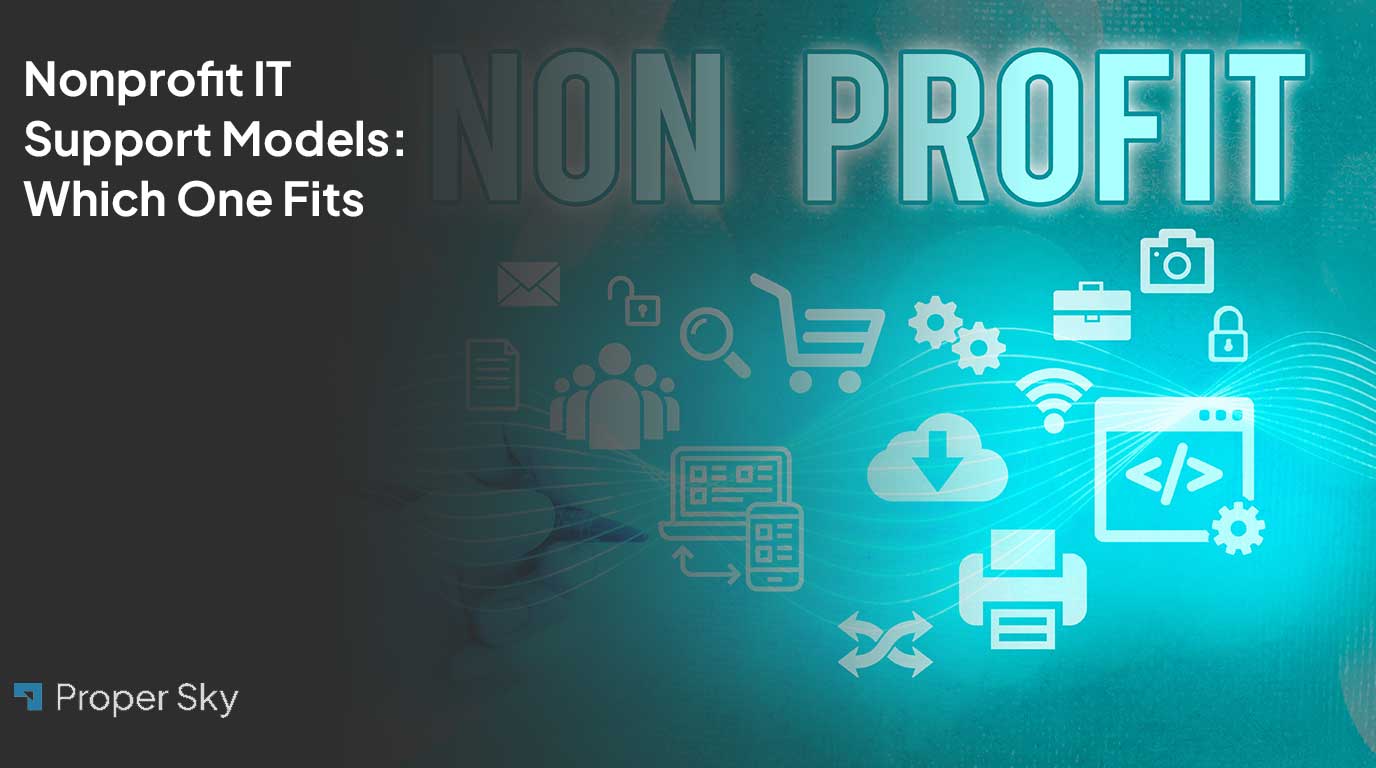
Nonprofit IT Support Models: Which One Fits?
Nonprofits organize IT support in different ways. Some have no dedicated technology staff, while others have experienced internal teams. Both may need outside help for very different reasons.That is why choosing a nonprofit IT support model is a business decision. The right fit helps staff stay productive, keeps programs running, and makes technology spending more predictable. A poor fit can leave coverage gaps or stretch internal teams. It can also consume budget without solving the organization’s most pressing needs. Start with what the nonprofit needs to operate effectively. Then define who
Nonprofits organize IT support in different ways. Some have no dedicated technology staff, while others have experienced internal teams. Both may need outside help for very different reasons.That is why choosing a nonprofit IT support model is a business decision. The right fit helps staff stay productive, keeps programs running, and makes technology spending more predictable. A poor fit can leave coverage gaps or stretch internal teams. It can also consume budget without solving the organization’s most pressing needs. Start with what the nonprofit needs to operate effectively. Then define who owns daily support, specialized work, coverage, and planning. Begin With the Work Nonprofit leaders balance program needs, staffing demands, and available funding. Technology support must fit within those same priorities. Building every capability internally may be impractical. However, outsourcing work your team already handles well can add costs and disrupt trusted working relationships. Start by understanding which responsibilities need more support and which already work well. Before comparing nonprofit IT support models, map who handles employee support, infrastructure, security, vendors, projects, budgeting, and planning. Then connect ownership or coverage gaps to delayed work, interrupted programs, unexpected costs, or information risks. Three Models Address Different Gaps Fully Managed IT A fully managed model fits organizations that need an accountable IT function. An outside team owns daily support and the broader technology environment. Leadership gains a clear destination for service, risk, vendor, and planning decisions. This model works best when internal ownership is minimal or intentionally limited. Its value comes from coordinated responsibility, not simply a larger help desk. The provider must understand priorities beyond ticket volume. Co-Managed IT A co-managed model starts with an internal team that the organization wants to keep. Outside resources take selected responsibilities or provide escalation depth. The arrangement should protect internal knowledge while reducing overload. In practice, the division of work can vary. An internal leader may retain strategy and systems ownership while another team handles employee support. Elsewhere, the internal team may keep support and add specialized infrastructure expertise. Targeted Support Targeted support fits an environment that already works except for one defined capability. The gap might involve a project, a security specialty, a cloud platform, or a planning need. The organization purchases depth without redesigning the whole operating model. This option requires especially clear boundaries. Leadership must know what the specialist owns and what remains internal. Otherwise, a narrow engagement can create another gap between teams. Test the Model Against the Organization Employee count alone can't determine the answer. Complexity also depends on locations, applications, data sensitivity, operating hours, and regulatory obligations. Use three questions to test fit: • Which support gaps most affect program delivery, staff productivity, or spending predictability? • Do those gaps reflect unclear ownership, limited time, or missing expertise? • Which knowledge and relationships need to stay within your organization? Together, those answers help you prioritize the work before comparing models. Broad delivery gaps may point toward fully managed support. Co-management can help an overloaded internal team, while a specialist may address one defined gap. Coverage Changes the Answer A model can look efficient during an ordinary week and fail during an absence. Evaluate how the organization handles leave, turnover, after-hours incidents, and simultaneous priorities. Coverage is part of the operating design. Three questions expose avoidable fragility: • Who responds when the primary IT owner is unavailable? • What happens when several urgent issues arrive together? • Who leads the technical response during a serious incident? The objective is not unlimited staffing. It is enough depth to absorb normal disruption without transferring the crisis to leadership. Compare each option’s cost with the staff downtime, service interruptions, and emergency expenses inadequate coverage can create. That gives you a fuller view of what each arrangement could cost your organization. Strategy Needs an Owner Every support model must include someone who looks beyond current requests. Technology needs replacement schedules, budgets, project sequencing, vendor review, and risk decisions. Without strategic ownership, unexpected replacement costs and rushed purchases can disrupt the budget. Technology investments may also fail to support program priorities. That responsibility can sit with a CIO, an operations leader, or an outside advisor. The role matters more than the title. Leadership needs a person who can translate technology choices into organizational consequences. Choose Fit Before Choosing a Provider Once the operating model is clear, provider evaluation becomes more practical. Proper Sky offers fully managed IT for broad ownership and co-managed IT for internal teams needing added depth. Its nonprofit work also reflects the sector's budget and mission pressures. A useful provider should accept clear boundaries and explain accountability in plain language. It should also adapt to existing strengths. The objective is a durable division of work, not maximum outsourcing. Revisit the Model as Conditions Change Nonprofit IT support models should evolve with the organization. A new leader, merger, funding shift, or major platform can change the right balance. Regular review prevents an old arrangement from becoming a new constraint. The best model gives each responsibility enough ownership, skill, and coverage. It also preserves the knowledge and relationships that already create value. When the model fits, staff can focus on their work and programs can rely on dependable technology support. Leaders also gain a clearer basis for planning spending and future needs.
Read full post on propersky.com
MSPdb™ News
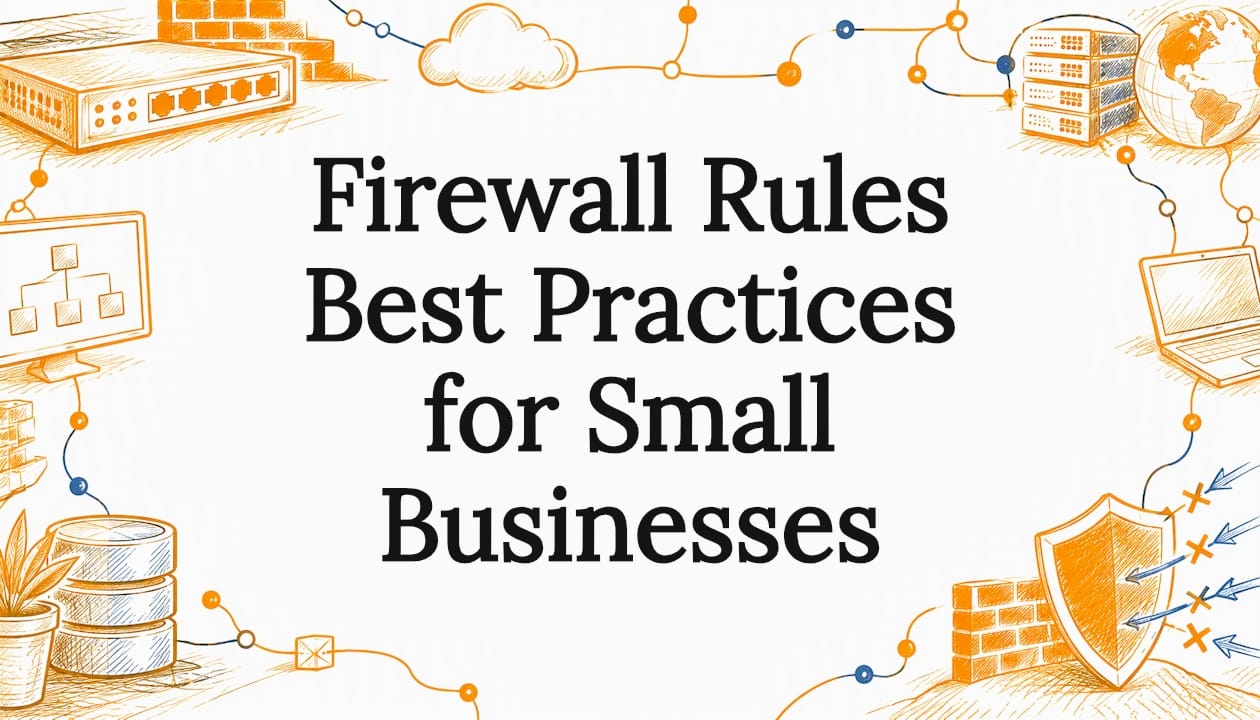
Firewall Rules Best Practices for Small Businesses
Default deny, specific rules, correct rule order, logging and quarterly reviews: the firewall rules practices a small business should follow, with a sample policy.
Default deny, specific rules, correct rule order, logging and quarterly reviews: the firewall rules practices a small business should follow, with a sample policy.
Read full post on mytekrescue.com
HubSpot Follow-Up: What Should Happen After an Inquiry?
A form submission is only the beginning of a customer conversation. Someone needs to receive it, understand the request, and take the next approved step. Plan that handoff before building an automation around it.
A form submission is only the beginning of a customer conversation. Someone needs to receive it, understand the request, and take the next approved step. Plan that handoff before building an automation around it.
Read full post on secondstartechnologies.com

Maximizing Efficiency with Managed Services in IT: Key Benefits Explained
So, you’re wondering how to really get the most out of your IT setup without all the usual headaches? The
So, you’re wondering how to really get the most out of your IT setup without all the usual headaches? The
Read full post on technologyvisionaries.com
2026 in Retrospect with Net Friends President
Net Friends President Neelesh Patel looks back on 2026: 30%+ customer growth, a 96 NPS, Verified Trust security, our SAGE AI assistant, and 10 awards.
Net Friends President Neelesh Patel looks back on 2026: 30%+ customer growth, a 96 NPS, Verified Trust security, our SAGE AI assistant, and 10 awards.
Read full post on netfriends.com

How Much Is Poor IT Inventory Management Really Costing Your Business?
Most businesses know how much they spend on technology. Far fewer know exactly what they’re paying for. There’s the laptop sitting in an empty office, the software subscription nobody remembers approving, and the server that should have been replaced two years ago. Individually, these things might seem insignificant. Together, they can quietly drain thousands of...
Most businesses know how much they spend on technology. Far fewer know exactly what they’re paying for. There’s the laptop sitting in an empty office, the software subscription nobody remembers approving, and the server that should have been replaced two years ago. Individually, these things might seem insignificant. Together, they can quietly drain thousands of...
Read full post on daxtech.ca

Changing IT Providers Without Losing Access: A Business Owner’s Handoff Checklist
A practical handoff plan for changing managed IT providers without losing passwords, documentation, backups, or business continuity.
A practical handoff plan for changing managed IT providers without losing passwords, documentation, backups, or business continuity.
Read full post on rj-pro.net
Business Email Compromise in San Diego: How a Fake Invoice Gets Paid
Business email compromise San Diego: how a fake invoice gets paid, and the inbox, MFA, and payment checks that stop it before money leaves.
Business email compromise San Diego: how a fake invoice gets paid, and the inbox, MFA, and payment checks that stop it before money leaves.
Read full post on fitsolutions.biz

5 AI Use Cases in Construction, and 3 Jobs AI Shouldn’t Touch
The best AI use cases in construction are the repetitive, document-heavy jobs: summarizing, drafting and organizing. AI is least useful,
The best AI use cases in construction are the repetitive, document-heavy jobs: summarizing, drafting and organizing. AI is least useful,
Read full post on reisinformatica.com
5 Best Co-Managed IT Providers in Ontario (2026)
We ranked 5 co-managed IT providers serving Ontario businesses on how they work with internal IT teams, escalation clarity, tools compatibility, and co-managed track record.
We ranked 5 co-managed IT providers serving Ontario businesses on how they work with internal IT teams, escalation clarity, tools compatibility, and co-managed track record.
Read full post on act360.ca


How Schaumburg Industries Turn IT Discipline Into Operational Advantage
In a working business hub like Schaumburg, nearly 5,000 businesses employ more than 80,000 people across corporate campuses, insurance, software, tele...
In a working business hub like Schaumburg, nearly 5,000 businesses employ more than 80,000 people across corporate campuses, insurance, software, tele...
Read full post on xl.net
Just Added to MSPdb™



MSP Jobs
All Jobs



MSP Marketplace
View All


Popular MSPs
View All