Search and you will find.
Discover leading Managed IT Service Providers across USA, Canada & the United Kingdom.
- 100s of leading MSPs
- Find a MSP near you
- Latest IT news for SMBs

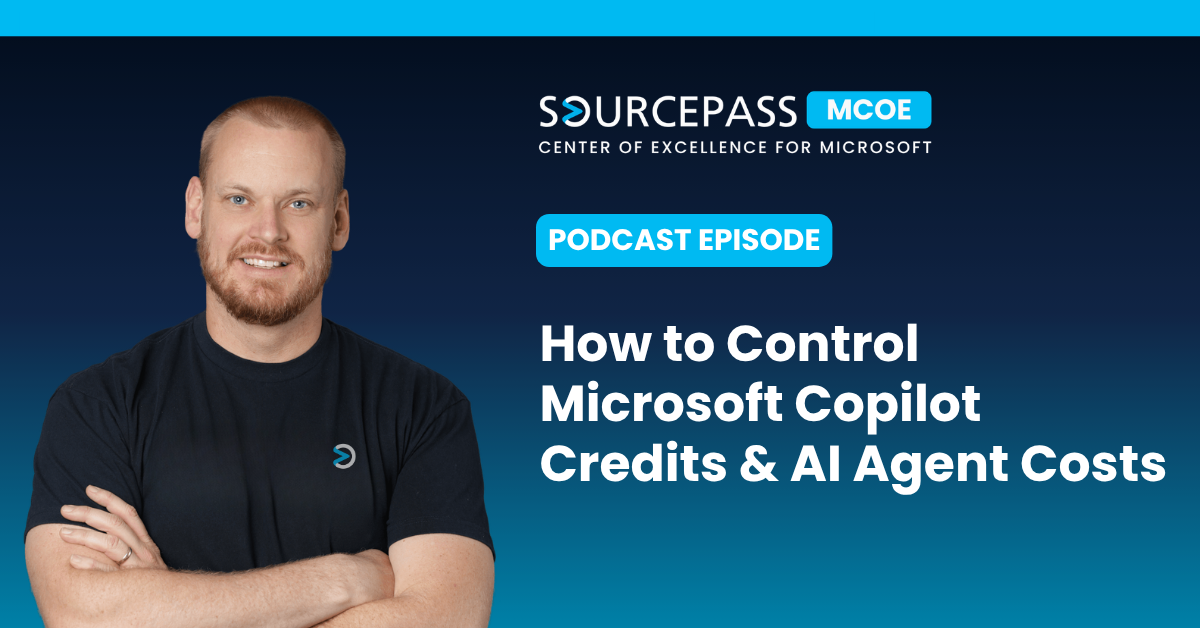
Control Microsoft Copilot Credits and AI Agent Costs | Sourcepass MCOE
AI can improve productivity, automate repetitive work, and help teams move faster. It can also introduce a new budgeting challenge that many organizations are not prepared for. Traditional Microsoft licensing is predictable. Organizations purchase licenses, assign them to users, and know exactly what the monthly bill will be. Microsoft Copilot, Copilot Studio agents, and consumption-based AI services introduce a different model where costs can increase based on usage. Understanding AI FinOps is becoming essential for IT leaders, business leaders, and finance teams that want to scale Micros
AI can improve productivity, automate repetitive work, and help teams move faster. It can also introduce a new budgeting challenge that many organizations are not prepared for. Traditional Microsoft licensing is predictable. Organizations purchase licenses, assign them to users, and know exactly what the monthly bill will be. Microsoft Copilot, Copilot Studio agents, and consumption-based AI services introduce a different model where costs can increase based on usage. Understanding AI FinOps is becoming essential for IT leaders, business leaders, and finance teams that want to scale Microsoft AI technologies without creating unexpected spending. Why does Microsoft Copilot Require AI FinOps? AI FinOps is the practice of managing, monitoring, and optimizing AI-related costs. Many organizations are familiar with cloud FinOps from Azure and AWS, where Azure subscriptions and cloud resources generate costs based on consumption. Microsoft's newer AI services are introducing a similar model. Features such as Microsoft Copilot Cowork, Copilot Studio agents, scheduled AI processes, and API-driven workloads consume credits and resources as they run. The more frequently AI tools are used, the more important cost visibility becomes. In this episode of the Demystifying Microsoft podcast, Nathan Taylor speaks with Graham Rosenberg, Director of Intelligence and Automation at Sourcepass, about how organizations can approach AI FinOps, avoid billing surprises, and build governance around Microsoft Copilot and AI agents. What is AI FinOps? AI FinOps is a discipline that combines IT, finance, and business leadership to manage AI spending and maximize return on investment. The goal is not simply to reduce costs. The goal is to understand how AI usage, automation, and agent workloads translate into business value while maintaining predictable spending. Organizations using Microsoft Copilot, Copilot Studio, Azure AI Foundry, and other AI platforms need ways to: Monitor AI consumption Establish spending limits Identify power users Measure business value Prevent unplanned expenses As AI adoption increases, AI FinOps is becoming a necessary extension of cloud financial management practices. How are Microsoft Copilot Credits Calculated? Microsoft Copilot consumption is measured using credits. Organizations can purchase Copilot credits in advance and allocate those credits to users, teams, and workloads. Credits are consumed whenever supported AI activities run. Because spending is tied to usage, organizations need visibility into how AI workloads consume resources. This represents a significant shift from traditional per-user licensing models where costs remain fixed regardless of usage. What Changed with Microsoft Copilot Cowork? One of the biggest changes organizations are navigating is Microsoft's transition to usage-based billing for Copilot Cowork. Prior to the change, organizations could use Cowork without directly monitoring credit consumption. Once usage-based billing became available, organizations had to begin managing budgets, spending policies, and credit allocations. This introduced a new requirement for organizations to understand how AI usage affects operational expenses and budgeting decisions. How do you Manage Microsoft Copilot Spending Limits? Organizations can control Copilot spending through policies configured in the Microsoft 365 Admin Center. These policies allow administrators to: Set credit consumption limits Assign budgets to users Control agent access Establish spending ceilings Monitor usage activity A common recommendation is to start with conservative limits while users learn how AI tools consume credits. This approach allows teams to experiment with AI while protecting the organization from unexpected costs. How do Copilot Studio Agents Affect AI Costs? Copilot Studio agents introduce another layer of AI cost management. Organizations can build custom agents that interact with Microsoft 365 data, automate workflows, and perform business-specific tasks. These agents can generate ongoing consumption based on how frequently they run and how complex their workloads become. For organizations without full Copilot licensing, agent consumption often becomes a primary area of AI spend that requires governance and monitoring. Because of this, AI agents should be treated as both technical assets and financial assets. What is the Best Way to Prevent Unexpected AI Charges? The most effective strategy is implementing guardrails before widespread adoption. Several best practices can help organizations control AI spending and avoid unexpected charges: Start with Small Pilot Groups Avoid deploying new AI capabilities across the entire organization immediately. A smaller pilot group helps establish realistic consumption patterns before scaling. Enable Budget Caps Spending limits should include enforcement controls, not just notifications. Hard caps help prevent surprise bills and create accountability. Create Alerts and Thresholds Usage alerts at 50%, 70%, 90%, and 100% of budget can provide valuable visibility before limits are reached. Monitor Power Users Organizations often discover that a small group of users generates the majority of AI consumption. Understanding usage patterns helps determine whether additional licensing or budget adjustments make sense. Should IT and Finance Teams Manage AI Costs Together? Yes. AI FinOps should not be owned exclusively by IT. Successful AI governance typically requires collaboration between: IT leaders Finance teams Department managers Executive stakeholders Business leaders determine where value exists. Finance teams evaluate cost impact. IT teams implement governance and controls. When all three groups participate, organizations are better positioned to scale AI successfully. When Should Organizations Use Copilot Studio vs Azure AI Foundry? The answer depends on the use case. Copilot Studio is often the fastest way to build conversational agents that users interact with through a chat interface. Azure AI Foundry and Azure-native services are often better suited for advanced agentic workflows, automation scenarios, and highly customized solutions that require greater flexibility. Organizations frequently begin with Copilot Studio and expand into Azure-native AI architectures as requirements become more complex. Why is AI Cost Governance Becoming More Important? As organizations adopt AI agents, automation, and advanced Microsoft's AI capabilities, the risk of uncontrolled consumption increases. Without governance, organizations can quickly lose visibility into: Who is using AI Which agents are consuming resources How much AI workloads cost Whether AI investments are delivering value AI FinOps creates the framework required to manage these risks while supporting innovation. How to Get Started with AI FinOps Microsoft Copilot, AI agents, and Azure AI services can create significant business value, but organizations need a strategy for managing consumption and controlling costs. The right AI FinOps framework helps organizations balance innovation with financial accountability while giving users the freedom to explore new AI capabilities responsibly. If you need help implementing Microsoft Copilot, Copilot Studio, AI governance, or AI FinOps strategies, the Sourcepass MCOE team can help you build a scalable approach that aligns technology investments with business outcomes. Interested in more conversations about Microsoft Copilot, AI governance, security, licensing, and cloud strategy? Subscribe to the Demystifying Microsoft podcast for the latest insights from Microsoft experts and industry practitioners.
Read full post on blog.sourcepass.com
MSPdb™ News

Managed IT Solutions for Small Warehousing Companies Transitioning to Cloud Networks: A Phased, Zero-Downtime Roadmap


How to Know If Your Small or Mid-Sized Business Is Ready for AI
3 Key Takeaways It’s hard to ignore AI solutions when it’s coming at you from every direction: vendor pitches, industry headlines, competitors who may or may not be ahead of you with adoption. And somewhere in the back of your mind, you’re wondering whether your business should be doing more with it. But before you…
3 Key Takeaways It’s hard to ignore AI solutions when it’s coming at you from every direction: vendor pitches, industry headlines, competitors who may or may not be ahead of you with adoption. And somewhere in the back of your mind, you’re wondering whether your business should be doing more with it. But before you…
Read full post on intrust-it.com

Your data already lives in the cloud. So why does it need a backup?
Ask most people what “backup” means and they’ll describe an external hard drive in a desk drawer, or something they pay a monthly fee for: their data is sent off somewhere and never thought about again. Fair enough! But most small businesses don’t keep their important stuff on one computer anymore. It lives in the
Ask most people what “backup” means and they’ll describe an external hard drive in a desk drawer, or something they pay a monthly fee for: their data is sent off somewhere and never thought about again. Fair enough! But most small businesses don’t keep their important stuff on one computer anymore. It lives in the
Read full post on newmindgroup.com


Rapid Response: How a Local Managed Service Provider Minimizes Costly Downtime
Quick answer: A local managed service provider reduces business downtime by responding quickly to IT threats and monitoring your network around the clock. More importantly, proactive monitoring helps prevent issues from occurring in the first place, keeping your team productive and your systems secure. Your server goes down at 9 a.m. on a Monday. Emails
Quick answer: A local managed service provider reduces business downtime by responding quickly to IT threats and monitoring your network around the clock. More importantly, proactive monitoring helps prevent issues from occurring in the first place, keeping your team productive and your systems secure. Your server goes down at 9 a.m. on a Monday. Emails
Read full post on totalit.com
How Often Should A Business Review Its Cybersecurity Strategy?
Learn how often to review your cybersecurity strategy and how business changes, employee risks, threats, and compliance affect security planning.
Learn how often to review your cybersecurity strategy and how business changes, employee risks, threats, and compliance affect security planning.
Read full post on sysgen.ca

Insurance Is Not a Security Strategy
Insurance Is Not a Security Strategy Many organizations purchase cyber insurance believing it provides comprehensive protection against cyber risk. While insurance can play an important role in financial recovery, it was never intended to prevent incidents, stop attackers, or replace sound cybersecurity practices. This distinction is becoming increasingly important as cyber threats continue to evolve and insurance carriers raise expectations for policyholders. Insurance can help transfer certain financial risks. Cybersecurity helps reduce the likelihood and impact of those risks occurrin
Insurance Is Not a Security Strategy Many organizations purchase cyber insurance believing it provides comprehensive protection against cyber risk. While insurance can play an important role in financial recovery, it was never intended to prevent incidents, stop attackers, or replace sound cybersecurity practices. This distinction is becoming increasingly important as cyber threats continue to evolve and insurance carriers raise expectations for policyholders. Insurance can help transfer certain financial risks. Cybersecurity helps reduce the likelihood and impact of those risks occurring in the first place. Organizations that understand the difference are often better positioned to improve both their resilience and their insurability. Understanding Risk Transfer Cyber insurance is fundamentally a risk transfer mechanism. Organizations pay premiums to help offset specific financial losses associated with covered cyber incidents. Depending on policy terms, coverage may assist with: Incident response costs Legal expenses Digital forensics Business interruption losses Notification requirements Public relations support Recovery activities The value of cyber insurance becomes clear after a significant incident occurs. However, insurance is designed to help an organization recover. It is not designed to prevent attacks from happening. That responsibility belongs to the organization's cybersecurity program. What Insurance Cannot Do Many executives mistakenly assume cyber insurance provides protection equivalent to cybersecurity controls. It does not. Cyber insurance cannot: Stop phishing attacks Prevent ransomware infections Patch vulnerabilities Detect malicious activity Train employees Secure endpoints Manage privileged accounts Respond to incidents In short, insurance addresses financial consequences. Cybersecurity addresses operational risk. Organizations that rely exclusively on insurance while neglecting cybersecurity often discover significant gaps in protection. Why Insurers Are Demanding More Insurance carriers have experienced years of increasing cyber-related claims. As ransomware attacks, business email compromise incidents, and data breaches continue to impact organizations, insurers have responded by strengthening underwriting requirements. Today's carriers increasingly expect organizations to demonstrate: Multi-Factor Authentication (MFA) Vulnerability management Endpoint protection Security awareness training Incident response planning Governance and oversight This shift reflects a growing realization throughout the insurance market: Organizations with mature cybersecurity programs generally represent lower risk. As a result, cyber insurance and cybersecurity have become increasingly interconnected. Cybersecurity as a Business Strategy The most successful organizations treat cybersecurity as a business initiative rather than an IT project. Executive leadership plays a critical role in determining: Security priorities Budget allocations Organizational accountability Risk tolerance Compliance expectations Governance structures These decisions influence both security outcomes and insurance readiness. Cybersecurity maturity is often the result of leadership commitment rather than technology alone. Risk Reduction Versus Risk Transfer Organizations should think about cyber resilience through two complementary lenses: Risk Reduction Risk reduction focuses on preventing incidents and minimizing exposure. Examples include: Security awareness training Vulnerability remediation Zero Trust initiatives Endpoint security Security monitoring Risk Transfer Risk transfer focuses on reducing financial impact when incidents occur. Examples include: Cyber insurance Contractual protections Vendor risk management agreements Both approaches are important. Neither replaces the other. The strongest organizations balance both. The Executive Advantage Executives who understand the relationship between cybersecurity and cyber insurance can make more informed business decisions. They can: Prioritize investments more effectively Improve organizational resilience Strengthen insurer confidence Reduce operational risk Enhance business continuity Most importantly, they can position their organizations for long-term success in an increasingly complex threat landscape. Join OXEN's Executive Webinar Cyber insurance and cybersecurity should work together to strengthen organizational resilience. Join OXEN Technology and The Agency Insurance for an executive discussion focused on helping organizations understand modern insurance requirements, cybersecurity expectations, and practical readiness strategies. Register Today Learn how effective cybersecurity programs improve both business resilience and insurability while helping leaders make smarter risk management decisions.
Read full post on oxen.tech

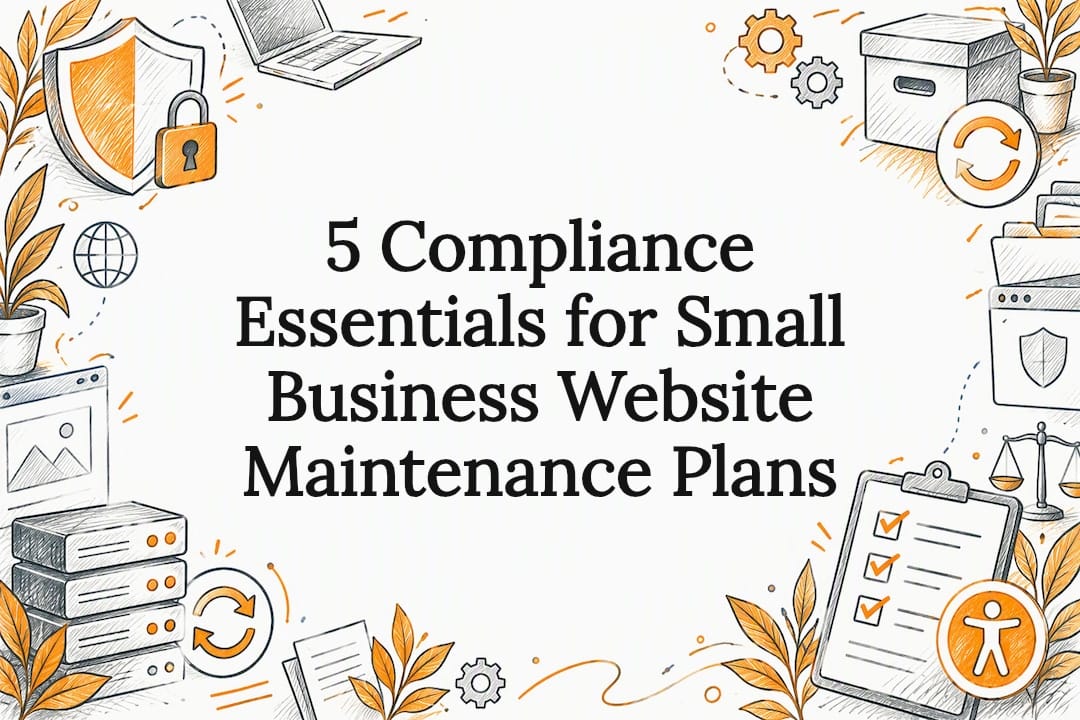
5 Compliance Essentials for Small Business Website Maintenance Plans
Five compliance focused tasks, daily backups, weekly patching and tested restores to secure your small business website maintenance plan.
Five compliance focused tasks, daily backups, weekly patching and tested restores to secure your small business website maintenance plan.
Read full post on mytekrescue.com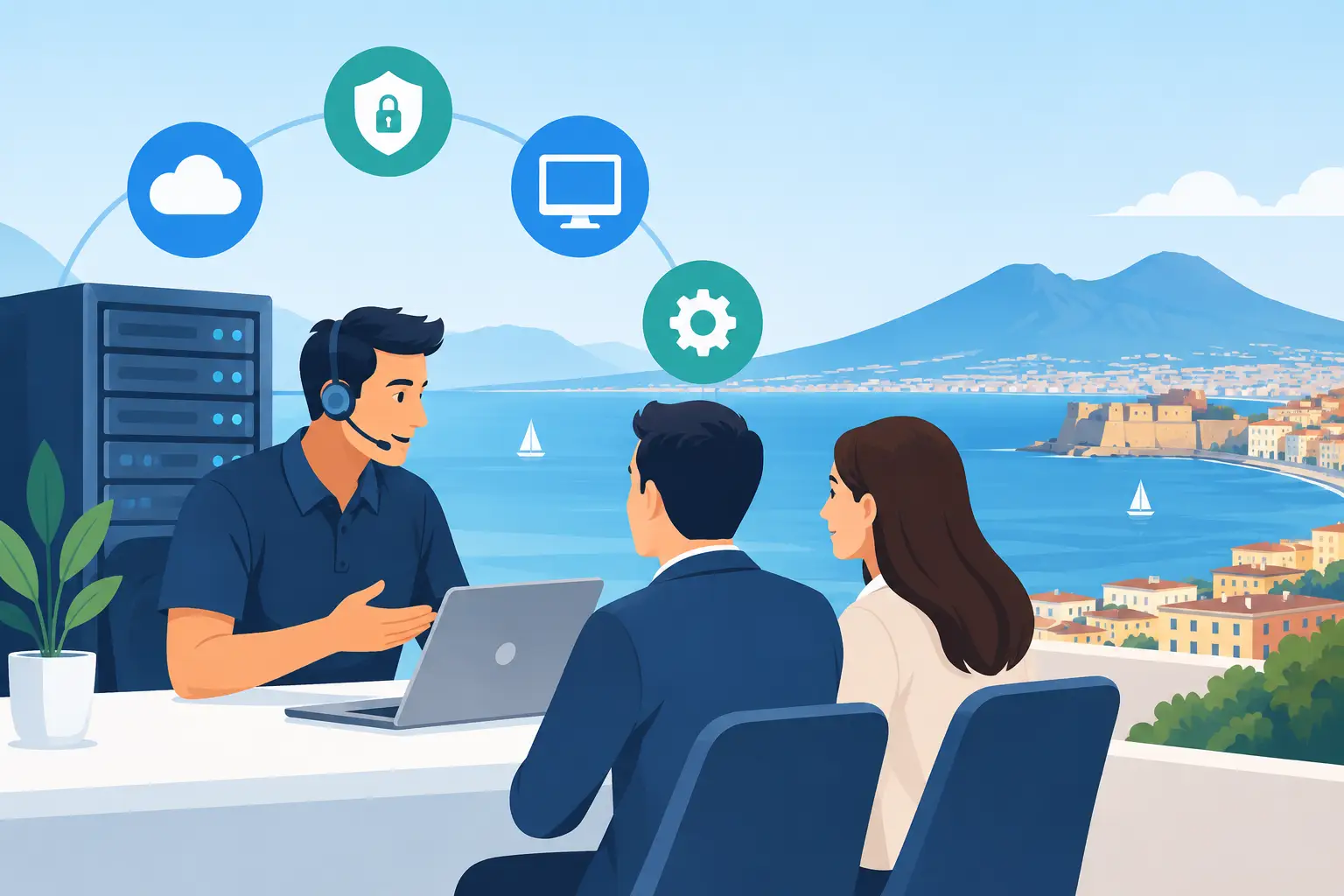
Choosing Naples IT Support for Your Business
Choosing Naples IT support means looking beyond break-fix help. Compare response standards, security, pricing, and local accountability for your business.
Choosing Naples IT support means looking beyond break-fix help. Compare response standards, security, pricing, and local accountability for your business.
Read full post on priscanova.com

Construction Company Technology Planning Guide
Use this construction company technology planning guide to reduce jobsite downtime, secure project data, control costs, and plan technology investments.
Use this construction company technology planning guide to reduce jobsite downtime, secure project data, control costs, and plan technology investments.
Read full post on rj-pro.net
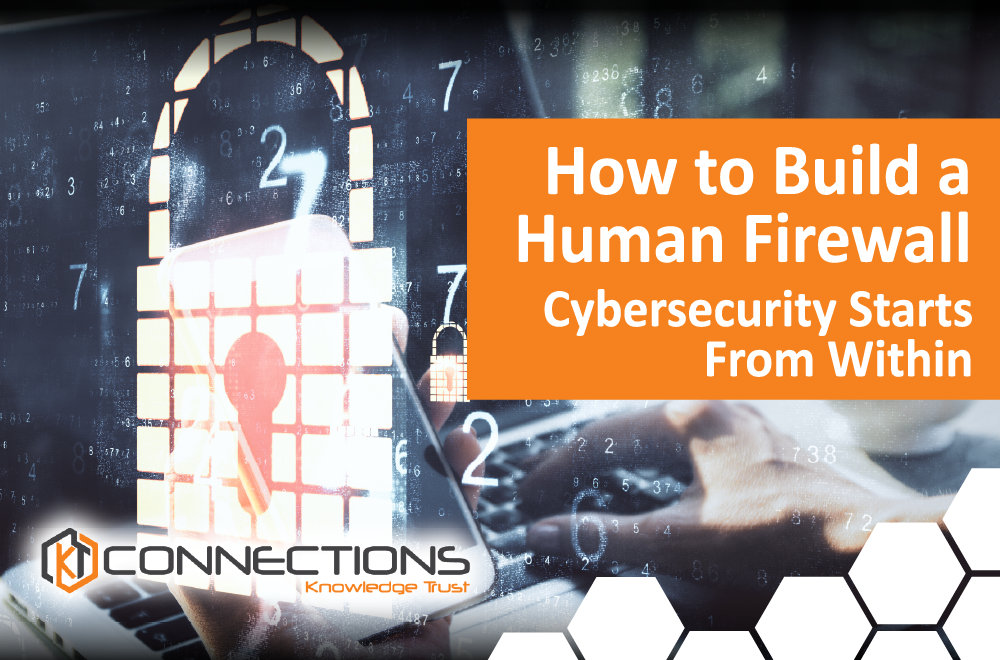
How to Build a Human Firewall: Cybersecurity Starts from Within
You can invest tens of thousands of dollars into next-generation hardware, endpoint detection, and state-of-the-art encryption. But if an employee with valid login credentials clicks a malicious link or hands their password to a disguised threat actor, all of that expensive technology can be bypassed in seconds. Cybercriminals know that hacking a secure server is… Read More »How to Build a Human Firewall: Cybersecurity Starts from Within
You can invest tens of thousands of dollars into next-generation hardware, endpoint detection, and state-of-the-art encryption. But if an employee with valid login credentials clicks a malicious link or hands their password to a disguised threat actor, all of that expensive technology can be bypassed in seconds. Cybercriminals know that hacking a secure server is… Read More »How to Build a Human Firewall: Cybersecurity Starts from Within
Read full post on ktconnections.com
Just Added to MSPdb™


MSP Jobs
All Jobs

MSP Marketplace
View All

Popular MSPs
View All