How can we help with your IT today?
Discover leading Managed IT Service Providers across USA, Canada & the United Kingdom.
- 100s of leading MSPs
- Find a MSP near you
- Latest IT news for SMBs

Security Awareness Metrics That Actually Matter | Sourcepass
Many organizations invest time and resources in security awareness training, yet struggle to answer a simple question: are employees becoming better at identifying and responding to real threats? For SMBs operating in Microsoft 365 environments, measuring training completion alone provides limited insight. Employees may complete assigned courses while still falling for phishing emails, mishandling suspicious links, or overlooking signs of business email compromise. As phishing, social engineering, and AI-assisted scams continue to evolve, organizations need security awareness metrics that fo
Many organizations invest time and resources in security awareness training, yet struggle to answer a simple question: are employees becoming better at identifying and responding to real threats? For SMBs operating in Microsoft 365 environments, measuring training completion alone provides limited insight. Employees may complete assigned courses while still falling for phishing emails, mishandling suspicious links, or overlooking signs of business email compromise. As phishing, social engineering, and AI-assisted scams continue to evolve, organizations need security awareness metrics that focus on behavior change rather than participation. Microsoft 365 provides valuable signals for measuring user behavior. Through Microsoft Defender for Office 365, organizations can run phishing simulations, track user responses, and identify areas where additional coaching may be needed. Microsoft's guidance on Attack Simulation Training and Attack Simulation Training insights reinforces the importance of using simulation outcomes to identify learning gaps and improve security behaviors over time. For growing SMBs, the most meaningful security awareness metrics help leaders understand risk trends, prioritize coaching efforts, and support measurable reductions in human-driven security incidents. Why Training Completion Is Not a Meaningful Security Awareness Metric Training completion is easy to measure, which is why many organizations rely on it. However, completion rates provide little evidence that employees are making better security decisions. An employee can complete a training course and still: Click a malicious link Engage with a phishing email Approve a fraudulent request Share sensitive information inappropriately Fail to report suspicious activity Security awareness programs should focus on outcomes rather than attendance. The goal is to improve user behavior and strengthen organizational resilience, not simply achieve a high completion percentage. Measure Behavior Instead of Participation Effective awareness programs monitor how users react to realistic security scenarios. Key questions include: Are employees identifying suspicious messages more often? Are fewer users interacting with phishing simulations? Are security incidents being reported more quickly? Are repeat mistakes decreasing over time? These measurements provide operational insight into whether awareness efforts are influencing behavior. The Security Awareness Metrics That Matter Most Organizations benefit most from a small set of practical metrics that can drive decisions and support continuous improvement. Phishing Report Rate The phishing report rate measures how often users actively report suspicious messages. This is one of the strongest indicators of security awareness maturity because it reflects positive behavior rather than merely avoiding mistakes. A rising report rate often indicates that employees: Recognize suspicious content more effectively Understand reporting procedures Participate in the organization's security culture Improved reporting can also help security teams investigate threats earlier and reduce the likelihood of broader impact. Phishing Click Rate The phishing click rate tracks how many users interact with simulated phishing emails. This metric helps identify: User groups that require additional coaching Trends across departments Effectiveness of awareness campaigns Areas where technical protections may need improvement A declining click rate over multiple review periods generally suggests progress in user awareness. Credential Submission Rate Clicking a phishing link is one behavior. Entering credentials into a simulated phishing site represents a higher-risk action. Tracking credential submission rates helps organizations understand: Which users are most vulnerable Whether high-risk behaviors are declining Where targeted education should be prioritized This metric often provides a more accurate picture of risk than click rates alone. Repeat Failure Rate A single simulation failure may reflect inattention, distraction, or unfamiliarity with a specific tactic. Repeat failure rates reveal a different challenge. Users who consistently fail phishing simulations may require: Additional coaching Different training methods Manager involvement More targeted awareness campaigns Reducing repeat failures is often a stronger indicator of program effectiveness than increasing completion rates. Follow-Up Training Completion Follow-up training should be measured differently than general awareness training. Instead of tracking whether all employees completed annual training, organizations should monitor whether vulnerable users complete remediation activities after a failed simulation. This helps ensure corrective actions are occurring where they are needed most. Using Microsoft Defender for Office 365 to Measure Security Awareness Microsoft Defender for Office 365 includes Attack Simulation Training capabilities that support behavior-based measurement. According to Microsoft's documentation on Attack Simulation Training insights, organizations can evaluate outcomes such as user interactions, compromised-user indicators, and learning effectiveness. Segment Metrics by Risk and Business Function Organization-wide averages can hide important trends. A more useful approach is to examine performance by: Department Job function Risk level Geographic region User type Leadership group For example, finance teams may face different phishing risks than operations teams. Executive users may require targeted simulations that reflect approval fraud or business email compromise attempts. Segmentation helps organizations allocate training resources where risk is highest. Measure Trends Instead of Individual Events A single phishing simulation provides limited value. The most meaningful insights come from reviewing trends over time, such as: Increasing phishing report rates Declining click rates Lower credential submission rates Reduced repeat failures Improved training completion among targeted users These trends help determine whether awareness efforts are producing sustainable improvements. Microsoft's reporting capabilities, including information available through the Microsoft Defender reporting framework, support ongoing analysis and program evaluation. Turning Awareness Metrics Into Measurable Risk Reduction Security awareness metrics create value only when they influence decisions. Organizations should use awareness data to improve both user behavior and technical controls. Connect Metrics to Operational Decisions If phishing report rates are low, reporting procedures may require simplification. If specific departments consistently struggle with simulations, targeted coaching may be more effective than organization-wide training. If credential submission rates remain high, additional identity security controls such as Conditional Access, multifactor authentication, or phishing-resistant authentication methods may be appropriate. The objective is to use awareness data to drive action rather than simply generate reports. Create a Practical Security Awareness Scorecard For most SMBs, a simple scorecard is sufficient. A practical scorecard may include: Phishing report rate Phishing click rate Credential submission rate Repeat failure rate Follow-up training completion rate Trend comparison from previous reporting periods This approach gives leadership a clear view of whether organizational security behaviors are improving. Reinforce Positive Security Behaviors Awareness programs are most effective when they continuously reinforce good habits. Employees should understand: How to identify suspicious communications How to report concerns How to verify unusual requests When to escalate issues Over time, consistent measurement and reinforcement help create a culture in which security becomes part of routine decision-making rather than an annual training event. For Microsoft-first SMBs, that cultural shift often provides greater long-term value than any individual awareness campaign. Employees become more disciplined in how they handle email, Teams messages, links, attachments, and approval requests because behavioral expectations are consistently measured, reviewed, and reinforced. FAQ What are the most important security awareness metrics? The most valuable security awareness metrics include phishing report rate, phishing click rate, credential submission rate, repeat failure rate, and completion of targeted follow-up training. These measurements focus on user behavior rather than training attendance. Why is training completion not enough? Training completion only shows that employees attended a course. It does not demonstrate whether users can recognize phishing attempts, report suspicious activity, or make safer security decisions in real-world situations. How does Microsoft Defender for Office 365 support security awareness measurement? Microsoft Defender for Office 365 includes Attack Simulation Training capabilities that allow organizations to conduct phishing simulations, measure outcomes, identify vulnerable users, and track behavior changes over time. What is a phishing report rate? A phishing report rate measures how often users report suspected phishing messages. A higher reporting rate often indicates stronger user awareness and engagement in organizational security practices. How often should security awareness metrics be reviewed? Most organizations benefit from reviewing security awareness metrics monthly or quarterly. Regular reviews help identify trends, measure improvement, and determine where additional coaching or technical controls may be needed. How do security awareness metrics reduce cybersecurity risk? Security awareness metrics help organizations identify risky user behaviors, measure improvement over time, and target training efforts where they will have the greatest impact. This supports measurable reductions in human-driven security incidents and strengthens overall cybersecurity resilience.
Read full post on blog.sourcepass.com
MSPdb™ News

HIPAA Cybersecurity Requirements for San Antonio Medical Practices
Short version. HIPAA does not publish a checklist. It requires a documented risk analysis, then ... Learn More
Short version. HIPAA does not publish a checklist. It requires a documented risk analysis, then ... Learn More
Read full post on uprite.com
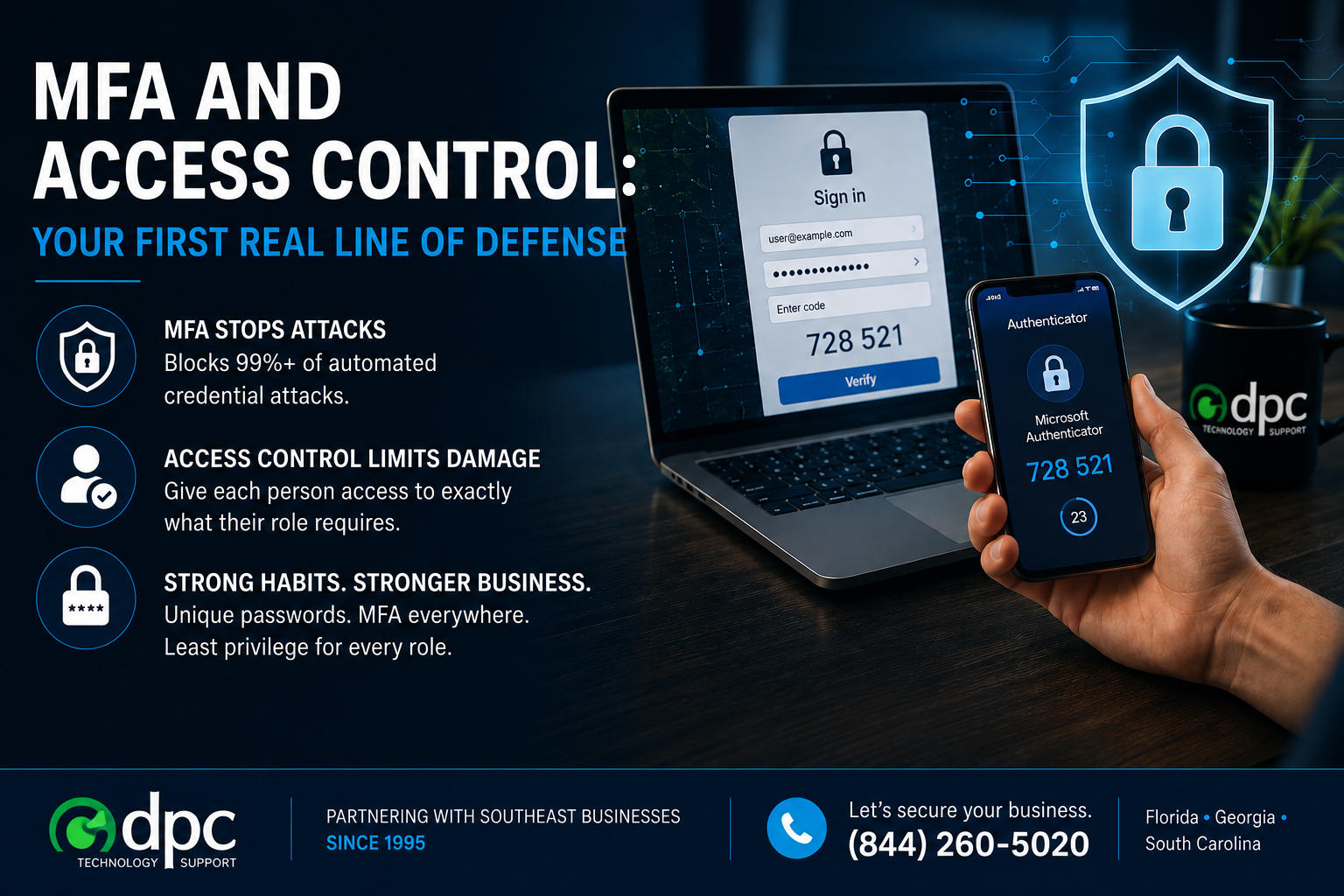
MFA and Access Control: Your First Real Line of Defense
If you do only one thing after reading this month's posts, do this one. Turn on multi-factor authentication everywhere you can. It is the single highest-return security move available to
If you do only one thing after reading this month's posts, do this one. Turn on multi-factor authentication everywhere you can. It is the single highest-return security move available to
Read full post on dpctechnology.com
Are You Ready for a HIPAA Audit?
The Office for Civil Rights (OCR) recently announced that they will resume HIPAA compliance audits in 2024.
The Office for Civil Rights (OCR) recently announced that they will resume HIPAA compliance audits in 2024.
Read full post on netfriends.com

The Benefits Of IT Outsourcing For Stronger IT Control And Fewer Support Gaps
Delayed onboarding, unresolved helpdesk queues, exposed user accounts, procurement delays, and network interruptions do not stay inside IT. They show ...
Delayed onboarding, unresolved helpdesk queues, exposed user accounts, procurement delays, and network interruptions do not stay inside IT. They show ...
Read full post on charterts.com
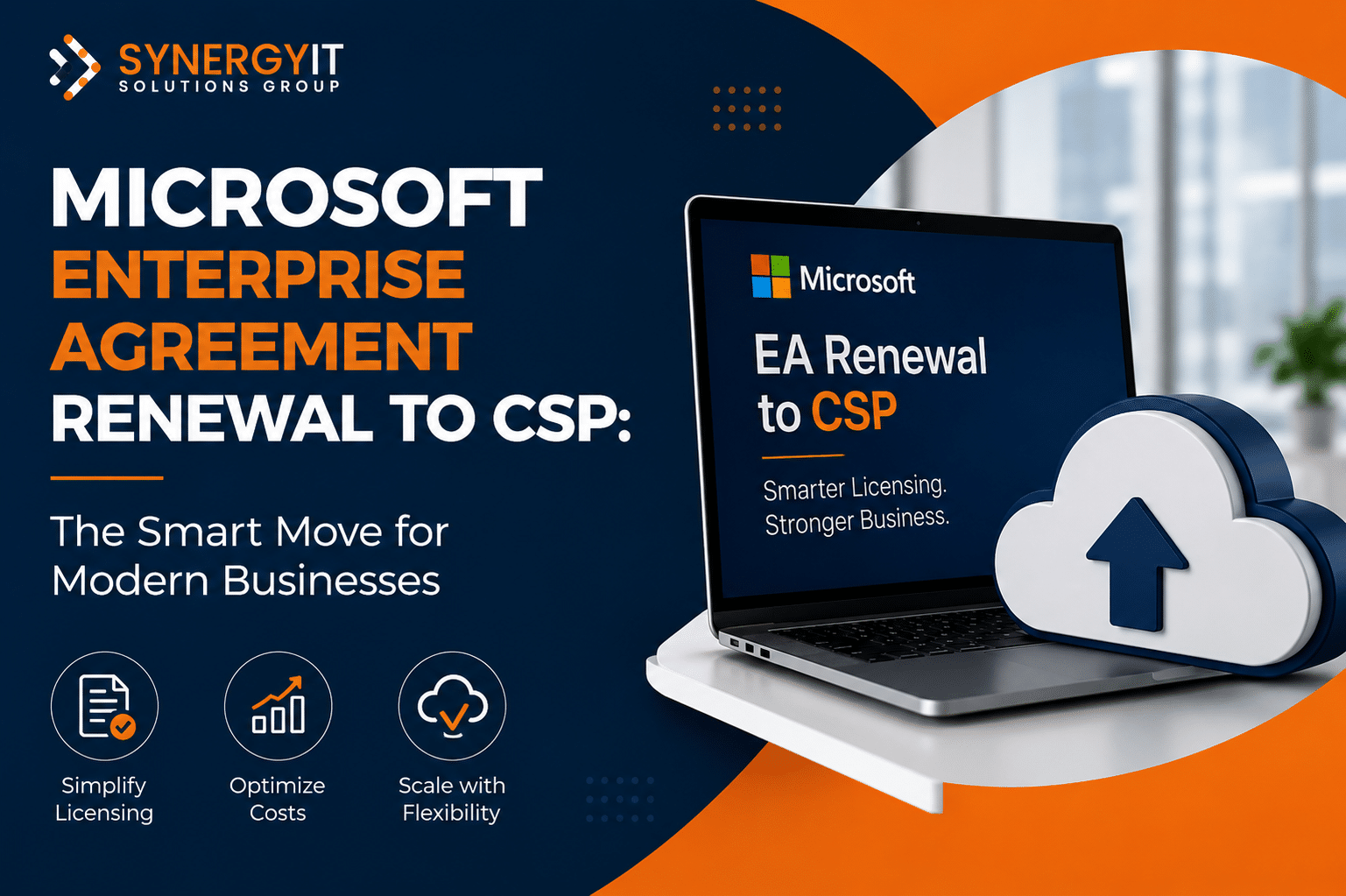
Microsoft Enterprise Agreement Renewal to CSP: The Smart Move for Modern Businesses
If your Microsoft Enterprise Agreement (EA) renewal is approaching, renewing the same agreement should not…
If your Microsoft Enterprise Agreement (EA) renewal is approaching, renewing the same agreement should not…
Read full post on blog.synergyit.ca
What Is A vCIO? Executive IT Guidance That Keeps Decisions Moving
A project lead is waiting on vendor approval. IT wants lower access risk, finance is watching cost, and compliance needs documentation before the cont...
A project lead is waiting on vendor approval. IT wants lower access risk, finance is watching cost, and compliance needs documentation before the cont...
Read full post on adrem.com

Why San Antonio Businesses Are Top Targets for Ransomware
San Antonio is not targeted because of its name. It is targeted because its business ... Learn More
San Antonio is not targeted because of its name. It is targeted because its business ... Learn More
Read full post on uprite.com

IT Support Planning Checklist for Multi-Location Businesses
If your company operates out of more than one office, warehouse, or retail location, IT problems rarely stay contained to a single site. A password reset issue at one office turns into a help desk backlog at three others, and an internet outage at your busiest location can stall orders company-wide. This IT support planning…
If your company operates out of more than one office, warehouse, or retail location, IT problems rarely stay contained to a single site. A password reset issue at one office turns into a help desk backlog at three others, and an internet outage at your busiest location can stall orders company-wide. This IT support planning…
Read full post on swifttechsolutions.com

AI Solutions for Business: Types, Platforms, and How to Choose
Artificial intelligence has moved from experiment to operating reality. According to McKinsey’s State of AI report (November 2025), 88 percent of organizations now use AI in at least one business function, up from 78 percent a year earlier. The harder question is no longer whether to adopt AI, but which AI solutions actually fit your
Artificial intelligence has moved from experiment to operating reality. According to McKinsey’s State of AI report (November 2025), 88 percent of organizations now use AI in at least one business function, up from 78 percent a year earlier. The harder question is no longer whether to adopt AI, but which AI solutions actually fit your
Read full post on itsolutions-inc.com
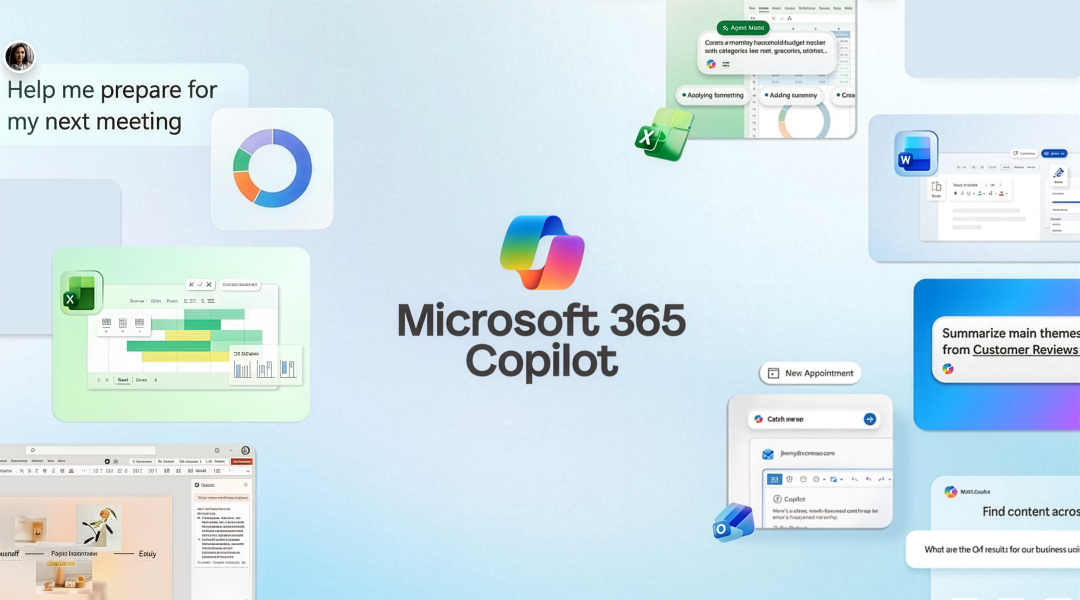
Microsoft Copilot: Why Some Teams See Results and Others Don’t
Image sourced from Microsoft The difference isn’t the technology. It’s how you prepare, adopt, and use it every day. There’s no shortage of conversation around Microsoft Copilot right now. There’s …
Image sourced from Microsoft The difference isn’t the technology. It’s how you prepare, adopt, and use it every day. There’s no shortage of conversation around Microsoft Copilot right now. There’s …
Read full post on mirazon.com
Just Added to MSPdb™



MSP Jobs
All Jobs
MSP Marketplace
View All


Popular MSPs
View All