Ready for Managed IT Services?
Discover leading Managed IT Service Providers across USA, Canada & the United Kingdom.
- 100s of leading MSPs
- Find a MSP near you
- Latest IT news for SMBs


Beyond Technology: How Healthcare IT Supports Tribal Sovereignty | All Covered
Systems, software, and infrastructure are often viewed as the foundation of healthcare technology initiatives. For Tribal Nations, however, technology alone does not define success. Lasting outcomes are achieved when technology investments align with community goals, cultural traditions, workforce development, and patient care priorities. Across Indian Country, healthcare organizations are navigating the complex task of transforming legacy systems while preserving Tribal sovereignty and remaining true to the priorities of their communities. Success is measured by more than the deployment o
Systems, software, and infrastructure are often viewed as the foundation of healthcare technology initiatives. For Tribal Nations, however, technology alone does not define success. Lasting outcomes are achieved when technology investments align with community goals, cultural traditions, workforce development, and patient care priorities. Across Indian Country, healthcare organizations are navigating the complex task of transforming legacy systems while preserving Tribal sovereignty and remaining true to the priorities of their communities. Success is measured by more than the deployment of new technology. It is reflected in the ability to build resilient, sustainable healthcare environments that support self-governance, advance self-determination, and improve healthcare outcomes. Healthcare Technology as an Enabler of Tribal Sovereignty and Self-Determination Healthcare organizations across the country are under increasing pressure to improve operational efficiency, enhance patient experiences, and safeguard sensitive information. For Tribal healthcare organizations, these priorities are often accompanied by additional considerations, including Tribal sovereignty, unique governance structures, funding complexities, workforce constraints, and long-term community objectives. In this environment, technology decisions carry implications far beyond operational improvements. They influence how healthcare services are delivered, governed, and sustained while supporting the Nation's ability to maintain control over its data, processes, and future direction. The most successful modernization initiatives are not technology-driven; they are mission-driven. They begin with a clear vision for the future of healthcare within the community and a deliberate strategy for aligning technology investments with the Nation's priorities, values, and long-term goals. When approached in this way, technology becomes a powerful enabler of Tribal sovereignty, self-determination, and improved health outcomes for generations to come. "Technology should never dictate a Nation's future. The most successful healthcare transformation initiatives begin by listening, understanding community priorities, and aligning technology to support those goals. When strategy comes first, technology becomes an enabler of long-term success rather than the focus of the conversation." – Heather Nicholson, Tribal Healthcare Strategist, All Covered The principle is particularly relevant in Tribal healthcare, where modernization initiatives are often linked to broader objectives such as Tribal sovereignty, self-governance, and the long-term health and well-being of the community. Key Challenges Facing Tribal Healthcare Leaders While each Nation's journey is unique, many Tribal healthcare organizations face similar challenges and opportunities as they pursue modernization initiatives aligned with their strategic goals and community priorities. Legacy Systems and Growing Complexity Healthcare organizations often depend on a diverse mix of systems that have accumulated over time to meet evolving clinical, operational, and regulatory needs. While many of these platforms continue to provide value, fragmented technology environments can create challenges related to efficiency, data sharing, reporting, cybersecurity, and interoperability. As patient expectations continue to rise and regulatory requirements become more complex, maintaining and integrating aging systems can place increasing demands on healthcare organizations. Modernization provides an opportunity to simplify operations, strengthen security, improve access to information, and create a more connected healthcare ecosystem that supports both providers and the communities they serve. Workforce and Resource Constraints Like healthcare organizations across the country, Tribal healthcare providers continue to face workforce shortages, resource constraints, and increasing demands on their teams. Recruiting and retaining specialized healthcare and technology talent can be especially challenging, placing additional pressure on staff who are often responsible for supporting a wide range of operational and clinical priorities. Modernization can help alleviate many of these challenges by streamlining administrative processes, improving operational efficiency, and reducing reliance on manual tasks. However, realizing these benefits requires more than the deployment of new technology. Success depends on thoughtful planning, effective change management, and ongoing support to ensure solutions align with organizational goals, workforce capabilities, and community needs. Managing Organizational Change Modernization efforts are about more than implementing new technology. They often drive changes across workflows, operations, and the overall healthcare experience. Achieving lasting value requires a coordinated approach that brings together leadership, engages stakeholders, communicates a clear vision, and supports adoption at every stage of the transformation journey. Finding the Right Partners Not every technology partner fully understands the unique priorities, governance considerations, and operational realities of Tribal healthcare. The most successful partnerships begin with listening and a commitment to understanding each Nation's distinct needs, values, and long-term objectives. Rather than applying a one-size-fits-all model, technology decisions should be guided by the Nation's vision for healthcare, support Tribal sovereignty and self-governance, and align with the cultural, organizational, and community priorities that shape its future. When technology is tailored to these goals, it becomes a strategic enabler of sustainable growth, resilience, and improved health outcomes. Building a Foundation for the Future Modernization is not about replacing technology for the sake of change. It is about building a strong, sustainable foundation that can support high-quality healthcare delivery well into the future. That foundation may include strengthened cybersecurity, modernized infrastructure, cloud-based services, enhanced data and reporting capabilities, and more seamless access to critical information. However, the true value of modernization extends beyond the technology itself. At its core, modernization is about empowering healthcare organizations to remain resilient, adapt to evolving community needs, and deliver better outcomes over time. For Tribal healthcare leaders, it is an opportunity to create sustainable operations, support Tribal sovereignty and self-governance, and ensure that healthcare systems can effectively serve current and future generations. A Strategic Approach to Healthcare Transformation The most successful healthcare transformation initiatives often begin with a fundamental question: “What outcomes are we trying to achieve?” When healthcare organizations start with their mission, community needs, and long-term strategic goals, technology becomes a means to an end rather than the objective itself. A clear vision helps ensure that modernization efforts deliver meaningful value and support the outcomes that matter most. For Tribal Nations, this means investing in solutions that strengthen healthcare delivery, improve operational effectiveness, and enhance resiliency while supporting Tribal sovereignty, self-governance, and long-term community priorities. Technology is most effective when it aligns with the Nation's vision and empowers leaders to advance sustainable, community-centered care. While technology will continue to evolve, the principles that drive successful healthcare organizations remain constant. By approaching modernization through the lens of strategy, partnership, and self-determination, Tribal healthcare leaders can build lasting capabilities that improve care, strengthen organizational resilience, and create value. Looking for additional insights on healthcare cybersecurity, technology modernization, and operational resiliency? Visit our Healthcare Solutions page to learn how All Covered supports healthcare organizations nationwide.
Read full post on allcovered.com
MSPdb™ News
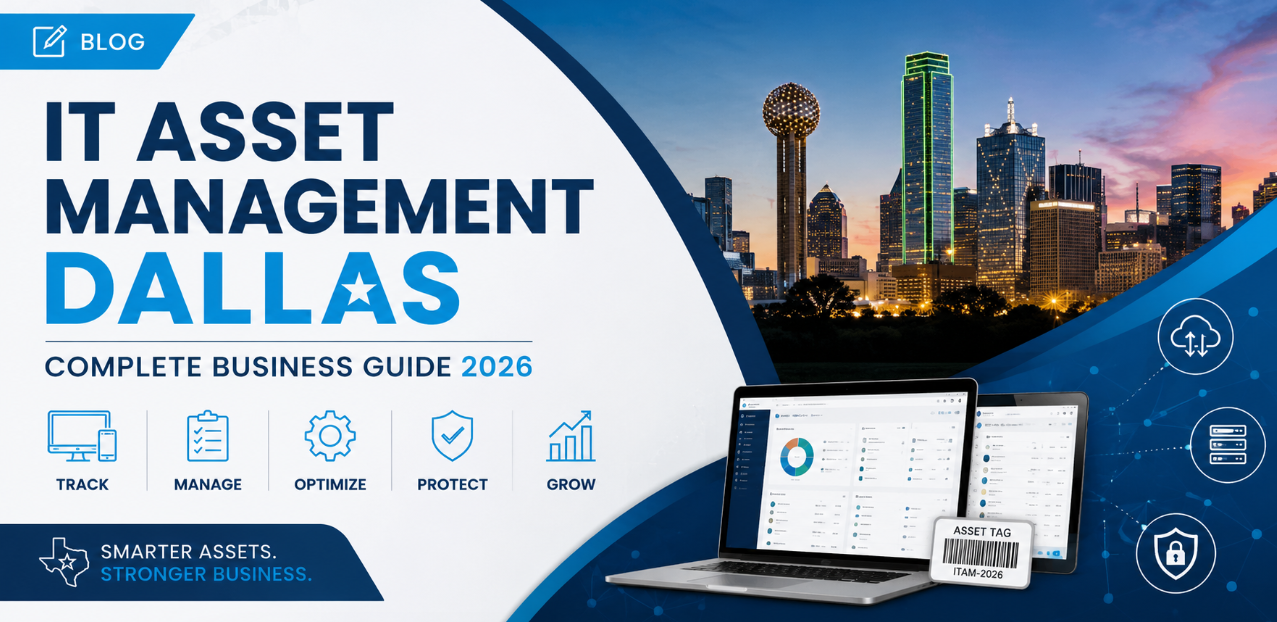
Wi-Fi Access Point Cabling: How Many Runs and Which Cable Category
For new installations, run two Category 6A cables to every wireless access point location. This follows TIA TSB-162-B, the industry guideline for access point cabling. Cat6A carries 10 Gb/s to 100 meters and handles high-power PoE with less heat. One
For new installations, run two Category 6A cables to every wireless access point location. This follows TIA TSB-162-B, the industry guideline for access point cabling. Cat6A carries 10 Gb/s to 100 meters and handles high-power PoE with less heat. One
Read full post on ightysupport.com

The Value of Consistent Patch Management in Modern IT Operations
The Value of Consistent Patch Management in Modern IT Operations Every organization relies on technology to support productivity, communication, customer service, and day-to-day operations. Yet one of the most fundamental responsibilities in maintaining a healthy technology environment is often one of the most overlooked: patch management.
The Value of Consistent Patch Management in Modern IT Operations Every organization relies on technology to support productivity, communication, customer service, and day-to-day operations. Yet one of the most fundamental responsibilities in maintaining a healthy technology environment is often one of the most overlooked: patch management.
Read full post on oxen.tech

6 Best Miami IT Providers for Medical Practices (2026)
Your multi-location medical practice depends on EHR access, HIPAA-ready controls, and network uptime across every office. When the IT provider you hired treats your support request like any other ticket in a shared queue, the consequences hit patient care first. That’s where this list of 6 Best Miami IT Providers comes in. Choosing the right
Your multi-location medical practice depends on EHR access, HIPAA-ready controls, and network uptime across every office. When the IT provider you hired treats your support request like any other ticket in a shared queue, the consequences hit patient care first. That’s where this list of 6 Best Miami IT Providers comes in. Choosing the right
Read full post on wheelhouseit.com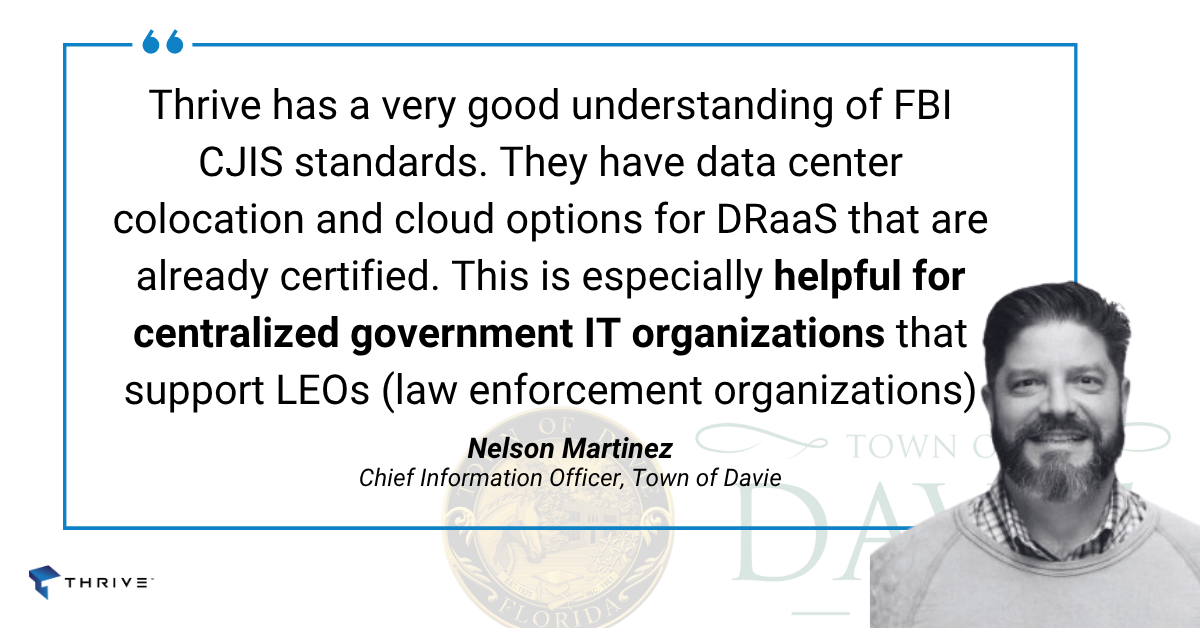
Seeing the Future: personalEYES Chooses Thrive for Security and Support
PersonalEYES is a leading Australian ophthalmology group operating 11 clinics and a day surgery, supported by a dedicated team of approximately 80 staff members. The organisation specialises in comprehensive eye care, from medical consultations…
PersonalEYES is a leading Australian ophthalmology group operating 11 clinics and a day surgery, supported by a dedicated team of approximately 80 staff members. The organisation specialises in comprehensive eye care, from medical consultations…
Read full post on thrivenextgen.com

Managed IT vs Managed OT Services for Manufacturing: What Actually Differs

The True Cost of Data Loss is Why You Need a BDR System
Without data, your business couldn’t function. Keeping this in mind, just imagine what it would be like to have all the data you rely on each and every day vanish into the ether.If you find the thought alone terrifying, you’re correct. Of course, it doesn’t help how many ways a business could potentially lose this data in the first place.
Without data, your business couldn’t function. Keeping this in mind, just imagine what it would be like to have all the data you rely on each and every day vanish into the ether.If you find the thought alone terrifying, you’re correct. Of course, it doesn’t help how many ways a business could potentially lose this data in the first place.
Read full post on coretechllc.com
Should a Home Care Agency’s IT Support Contract Be Month to Month?
Whether an IT support contract should be month to month is a question most home care agencies only ask after a provider has stopped fitting them and the agreement will not let them leave. Contract term decides how quickly an agency...
Whether an IT support contract should be month to month is a question most home care agencies only ask after a provider has stopped fitting them and the agreement will not let them leave. Contract term decides how quickly an agency...
Read full post on ittotalcare.com

The Windows Nobody Updates: Kiosks, Scales, and the October 13 Deadline
Direct Answer: Windows 10 Enterprise LTSB 2016 and Windows 10 IoT Enterprise 2016 LTSB get their final security update on October 13, 2026. After that, Microsoft ships no patches, fixes, or support for those builds. Most business owners around here already filed this one away. Windows 10 support ended in October 2025, they handled the
Direct Answer: Windows 10 Enterprise LTSB 2016 and Windows 10 IoT Enterprise 2016 LTSB get their final security update on October 13, 2026. After that, Microsoft ships no patches, fixes, or support for those builds. Most business owners around here already filed this one away. Windows 10 support ended in October 2025, they handled the
Read full post on adaptiveis.net

Cybersecurity Risks in 2027: What Valley Springs Businesses Should Know
If you run a business in Valley Springs, here’s the information you should know: the main cybersecurity risks for Valley Springs businesses in 2027 are phishing (fake messages that trick you), ransomware (software that locks your files), fake-invoice email scams, and stolen passwords. None of these is brand new, but attackers now use artificial intelligence
If you run a business in Valley Springs, here’s the information you should know: the main cybersecurity risks for Valley Springs businesses in 2027 are phishing (fake messages that trick you), ransomware (software that locks your files), fake-invoice email scams, and stolen passwords. None of these is brand new, but attackers now use artificial intelligence
Read full post on rj-pro.net
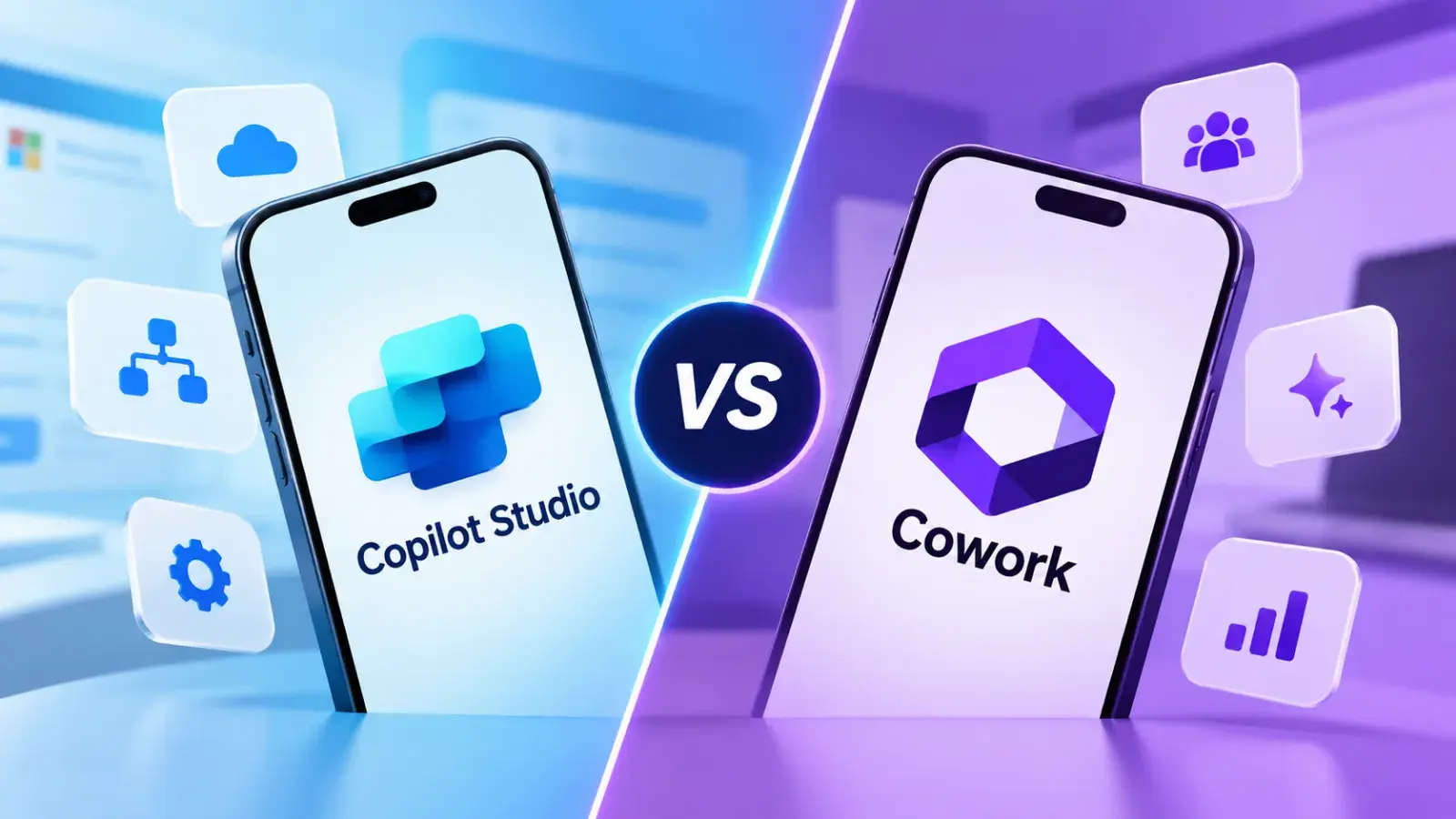
Copilot Studio vs Cowork: Which Fits Your Business Process
Are you meeting the pace of digital evolution in your business? Do your automation tools keep up with growing complexity and changing workloads? Or are you letting AI-powered process automation improve efficiency and innovation slip away before your eyes? It is no longer a nice-to-have. According to the latest Gartner research, 70% of enterprise leaders
Are you meeting the pace of digital evolution in your business? Do your automation tools keep up with growing complexity and changing workloads? Or are you letting AI-powered process automation improve efficiency and innovation slip away before your eyes? It is no longer a nice-to-have. According to the latest Gartner research, 70% of enterprise leaders
Read full post on trndigital.com
Just Added to MSPdb™

MSP Jobs
All Jobs

MSP Marketplace
View All

Popular MSPs
View All