We have IT covered.
Discover leading Managed IT Service Providers across USA, Canada & the United Kingdom.
- 100s of leading MSPs
- Find a MSP near you
- Latest IT news for SMBs

Endpoint Detection and Response for SMBs: A Practical Guide
Endpoint detection and response (EDR) has become a foundational component of SMB cybersecurity. As organizations continue to adopt cloud applications, remote work models, and Microsoft 365-based collaboration, endpoints remain one of the most valuable sources of security visibility. Laptops, desktops, servers, and mobile devices are where users access business systems, interact with data, and perform daily operations. They are also where many security incidents first become visible. For SMBs, endpoint detection and response provides more than threat detection. It enables organizations to ide
Endpoint detection and response (EDR) has become a foundational component of SMB cybersecurity. As organizations continue to adopt cloud applications, remote work models, and Microsoft 365-based collaboration, endpoints remain one of the most valuable sources of security visibility. Laptops, desktops, servers, and mobile devices are where users access business systems, interact with data, and perform daily operations. They are also where many security incidents first become visible. For SMBs, endpoint detection and response provides more than threat detection. It enables organizations to identify suspicious behavior, investigate incidents, contain affected devices, and improve security outcomes over time. The value of endpoint security is not measured by whether software is installed. It is measured by coverage, response effectiveness, and the organization's ability to reduce operational risk through consistent security practices. Why Endpoint Visibility Matters Beyond Traditional Antivirus Traditional antivirus technology remains an important layer of protection. However, many modern attacks rely on compromised credentials, legitimate administrative tools, scripts, and user activity that may not appear as traditional malware. Endpoint detection and response helps organizations understand what is happening on their devices by collecting and analyzing endpoint telemetry. This visibility allows security teams to identify suspicious behavior that might otherwise go unnoticed. Common indicators visible through EDR platforms include: Credential theft activity Unusual process execution Suspicious command-line activity Unexpected network connections Attempts to disable security controls Unauthorized software deployment Lateral movement between devices Microsoft's Microsoft Defender for Endpoint provides an example of how endpoint protection, detection, investigation, and response capabilities can work together within a Microsoft-first environment. How Endpoint Compromise Affects Business Risk A single compromised endpoint can become the starting point for broader business disruption. Potential outcomes include: Microsoft 365 account compromise Unauthorized access to sensitive data Business email compromise Ransomware deployment Internal network discovery Third-party access abuse This is why endpoint visibility matters. Security teams need the ability to identify and investigate suspicious behavior before it develops into a larger operational issue. Effective Endpoint Security Requires Ownership Many organizations focus on deploying endpoint agents but spend less time defining operational responsibility. A mature endpoint detection and response program answers questions such as: Who reviews alerts? Who owns investigations? Who can isolate a device? Who communicates with affected users? Who determines whether an event requires escalation? Technology creates visibility, but accountability determines whether risks are addressed effectively. Connecting Endpoint Detection and Response to Triage, Containment, and Recovery Endpoint detection and response delivers value when detections lead to informed security decisions. Successful programs establish clear processes for triage, containment, remediation, and recovery. Establish an Effective Triage Process When a security alert occurs, responders should quickly determine whether it represents: Malicious activity A policy violation Administrative activity A benign event Analysts need sufficient context to make accurate decisions. Key investigation details typically include: The affected device Associated user accounts Running processes Command-line activity Network connections Recent configuration changes Related security alerts Microsoft's Endpoint Management Overview highlights how endpoint security programs can integrate prevention, detection, investigation, and response capabilities. Define Clear Containment Procedures Containment decisions should balance security needs with business continuity requirements. For example, isolating a compromised endpoint may help prevent additional spread but could also interrupt critical business operations. Organizations should establish response procedures before an incident occurs. Key containment considerations include: Device isolation authority Alternative communication channels Evidence preservation requirements Credential reset procedures Malware removal processes Validation and recovery steps The goal is not simply to stop suspicious activity. It is to restore operations confidently while preserving necessary evidence for investigation. Connect Endpoint Security With Microsoft 365 Data Endpoint telemetry becomes significantly more valuable when combined with identity and cloud activity. For example, an endpoint alert may help explain: Unusual Microsoft 365 sign-ins Suspicious mailbox activity Unauthorized file downloads Application consent abuse Privileged account misuse Correlating endpoint and identity signals provides greater context and allows responders to understand an incident as a whole rather than as isolated alerts. For organizations operating in Microsoft environments, this integrated view often improves both response speed and investigation quality. Measuring Endpoint Security Outcomes Over Time Organizations should evaluate endpoint detection and response based on measurable outcomes rather than software deployment alone. Installing an agent does not automatically reduce risk. Effective programs measure visibility, response performance, and continuous improvement. Track Endpoint Coverage Coverage remains one of the most important endpoint security metrics. Organizations should regularly monitor: Percentage of devices reporting telemetry Devices missing recent check-ins Unsupported devices Unmanaged assets Coverage by business function Coverage across physical locations Not all endpoint gaps carry the same level of risk. Missing coverage on an executive device, critical server, or privileged administrator workstation often presents greater operational concern than a gap involving a non-production system. Microsoft's Defender for Endpoint Planning Guide provides useful guidance for deployment planning and operational readiness. Measure Response Quality Security leaders should establish clear response metrics that support continuous improvement. Examples include: Time to acknowledge high-severity alerts Time to begin investigation Time to contain confirmed threats Number of recurring detections Incidents requiring recovery activities Detection-to-resolution timelines These measurements help organizations determine whether response processes are functioning as intended and identify opportunities for improvement. Use Detection Trends to Strengthen Security Controls Recurring endpoint detections often reveal underlying operational issues. Examples include: Unauthorized software installation Excessive local administrator privileges Weak application governance Credential misuse patterns Misconfigured security controls Delayed patching processes Rather than treating alerts as isolated events, organizations should use detection data to inform broader cybersecurity decisions. EDR findings can contribute to: Risk management discussions Security awareness training Patch management priorities Identity security improvements Incident response exercises Policy updates This approach turns endpoint security into a continuous improvement function rather than a reactive monitoring activity. Building a Sustainable Managed Detection and Response Strategy Many SMBs lack the internal resources required to investigate endpoint alerts continuously. As a result, organizations often adopt a managed detection and response model to supplement internal capabilities. The most effective approach depends less on who performs the work and more on whether responsibilities are clearly defined. Regardless of operating model, organizations should ensure: High-severity alerts are monitored continuously Escalation procedures are documented Response authority is established Investigations are consistently reviewed Metrics are reported to leadership Lessons learned are incorporated into future improvements For executive leadership, endpoint detection and response reporting should remain focused on measurable outcomes: Endpoint coverage rates Alert response performance Threat containment effectiveness Key risk reduction initiatives Outstanding security gaps When endpoint detection and response is measured this way, it becomes a practical business resilience capability rather than simply another security tool. FAQ What is endpoint detection and response? Endpoint detection and response (EDR) is an endpoint security capability that collects data from devices, identifies suspicious activity, supports investigations, and enables security teams to contain and remediate threats. Why is endpoint detection and response important for SMBs? Endpoint detection and response helps SMBs identify threats earlier, investigate suspicious activity more effectively, and respond to incidents before they cause significant operational disruption. It provides visibility that traditional antivirus solutions may not offer. What is the difference between antivirus and endpoint detection and response? Antivirus primarily focuses on preventing known threats. Endpoint detection and response adds behavioral monitoring, investigation capabilities, threat hunting, and response actions that help organizations identify and contain sophisticated attacks. How does endpoint detection and response support Microsoft 365 security? Endpoint detection and response can provide context for Microsoft 365 security events by correlating device activity with identity, email, and cloud application activity. This helps organizations investigate incidents more comprehensively. What metrics should organizations track for endpoint security? Organizations should monitor endpoint coverage, device health, alert response times, containment times, recurring detections, and incident recovery metrics. These measurements help assess whether endpoint security controls are reducing risk. Is managed detection and response the same as endpoint detection and response? No. Endpoint detection and response refers to the technology and capabilities used to detect and investigate threats. Managed detection and response (MDR) adds human monitoring, investigation, escalation, and response services to help organizations operate those capabilities effectively.
Read full post on blog.sourcepass.com
MSPdb™ News

Managed IT Solutions for Small Warehousing Companies Transitioning to Cloud Networks: A Phased, Zero-Downtime Roadmap


How to Know If Your Small or Mid-Sized Business Is Ready for AI
3 Key Takeaways It’s hard to ignore AI solutions when it’s coming at you from every direction: vendor pitches, industry headlines, competitors who may or may not be ahead of you with adoption. And somewhere in the back of your mind, you’re wondering whether your business should be doing more with it. But before you…
3 Key Takeaways It’s hard to ignore AI solutions when it’s coming at you from every direction: vendor pitches, industry headlines, competitors who may or may not be ahead of you with adoption. And somewhere in the back of your mind, you’re wondering whether your business should be doing more with it. But before you…
Read full post on intrust-it.com
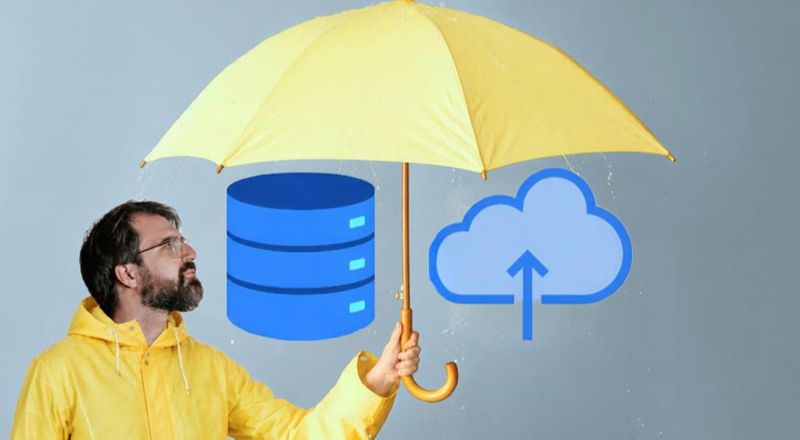
Your data already lives in the cloud. So why does it need a backup?
Ask most people what “backup” means and they’ll describe an external hard drive in a desk drawer, or something they pay a monthly fee for: their data is sent off somewhere and never thought about again. Fair enough! But most small businesses don’t keep their important stuff on one computer anymore. It lives in the
Ask most people what “backup” means and they’ll describe an external hard drive in a desk drawer, or something they pay a monthly fee for: their data is sent off somewhere and never thought about again. Fair enough! But most small businesses don’t keep their important stuff on one computer anymore. It lives in the
Read full post on newmindgroup.com


Rapid Response: How a Local Managed Service Provider Minimizes Costly Downtime
Quick answer: A local managed service provider reduces business downtime by responding quickly to IT threats and monitoring your network around the clock. More importantly, proactive monitoring helps prevent issues from occurring in the first place, keeping your team productive and your systems secure. Your server goes down at 9 a.m. on a Monday. Emails
Quick answer: A local managed service provider reduces business downtime by responding quickly to IT threats and monitoring your network around the clock. More importantly, proactive monitoring helps prevent issues from occurring in the first place, keeping your team productive and your systems secure. Your server goes down at 9 a.m. on a Monday. Emails
Read full post on totalit.com
How Often Should A Business Review Its Cybersecurity Strategy?
Learn how often to review your cybersecurity strategy and how business changes, employee risks, threats, and compliance affect security planning.
Learn how often to review your cybersecurity strategy and how business changes, employee risks, threats, and compliance affect security planning.
Read full post on sysgen.ca

Insurance Is Not a Security Strategy
Insurance Is Not a Security Strategy Many organizations purchase cyber insurance believing it provides comprehensive protection against cyber risk. While insurance can play an important role in financial recovery, it was never intended to prevent incidents, stop attackers, or replace sound cybersecurity practices. This distinction is becoming increasingly important as cyber threats continue to evolve and insurance carriers raise expectations for policyholders. Insurance can help transfer certain financial risks. Cybersecurity helps reduce the likelihood and impact of those risks occurrin
Insurance Is Not a Security Strategy Many organizations purchase cyber insurance believing it provides comprehensive protection against cyber risk. While insurance can play an important role in financial recovery, it was never intended to prevent incidents, stop attackers, or replace sound cybersecurity practices. This distinction is becoming increasingly important as cyber threats continue to evolve and insurance carriers raise expectations for policyholders. Insurance can help transfer certain financial risks. Cybersecurity helps reduce the likelihood and impact of those risks occurring in the first place. Organizations that understand the difference are often better positioned to improve both their resilience and their insurability. Understanding Risk Transfer Cyber insurance is fundamentally a risk transfer mechanism. Organizations pay premiums to help offset specific financial losses associated with covered cyber incidents. Depending on policy terms, coverage may assist with: Incident response costs Legal expenses Digital forensics Business interruption losses Notification requirements Public relations support Recovery activities The value of cyber insurance becomes clear after a significant incident occurs. However, insurance is designed to help an organization recover. It is not designed to prevent attacks from happening. That responsibility belongs to the organization's cybersecurity program. What Insurance Cannot Do Many executives mistakenly assume cyber insurance provides protection equivalent to cybersecurity controls. It does not. Cyber insurance cannot: Stop phishing attacks Prevent ransomware infections Patch vulnerabilities Detect malicious activity Train employees Secure endpoints Manage privileged accounts Respond to incidents In short, insurance addresses financial consequences. Cybersecurity addresses operational risk. Organizations that rely exclusively on insurance while neglecting cybersecurity often discover significant gaps in protection. Why Insurers Are Demanding More Insurance carriers have experienced years of increasing cyber-related claims. As ransomware attacks, business email compromise incidents, and data breaches continue to impact organizations, insurers have responded by strengthening underwriting requirements. Today's carriers increasingly expect organizations to demonstrate: Multi-Factor Authentication (MFA) Vulnerability management Endpoint protection Security awareness training Incident response planning Governance and oversight This shift reflects a growing realization throughout the insurance market: Organizations with mature cybersecurity programs generally represent lower risk. As a result, cyber insurance and cybersecurity have become increasingly interconnected. Cybersecurity as a Business Strategy The most successful organizations treat cybersecurity as a business initiative rather than an IT project. Executive leadership plays a critical role in determining: Security priorities Budget allocations Organizational accountability Risk tolerance Compliance expectations Governance structures These decisions influence both security outcomes and insurance readiness. Cybersecurity maturity is often the result of leadership commitment rather than technology alone. Risk Reduction Versus Risk Transfer Organizations should think about cyber resilience through two complementary lenses: Risk Reduction Risk reduction focuses on preventing incidents and minimizing exposure. Examples include: Security awareness training Vulnerability remediation Zero Trust initiatives Endpoint security Security monitoring Risk Transfer Risk transfer focuses on reducing financial impact when incidents occur. Examples include: Cyber insurance Contractual protections Vendor risk management agreements Both approaches are important. Neither replaces the other. The strongest organizations balance both. The Executive Advantage Executives who understand the relationship between cybersecurity and cyber insurance can make more informed business decisions. They can: Prioritize investments more effectively Improve organizational resilience Strengthen insurer confidence Reduce operational risk Enhance business continuity Most importantly, they can position their organizations for long-term success in an increasingly complex threat landscape. Join OXEN's Executive Webinar Cyber insurance and cybersecurity should work together to strengthen organizational resilience. Join OXEN Technology and The Agency Insurance for an executive discussion focused on helping organizations understand modern insurance requirements, cybersecurity expectations, and practical readiness strategies. Register Today Learn how effective cybersecurity programs improve both business resilience and insurability while helping leaders make smarter risk management decisions.
Read full post on oxen.tech


5 Compliance Essentials for Small Business Website Maintenance Plans
Five compliance focused tasks, daily backups, weekly patching and tested restores to secure your small business website maintenance plan.
Five compliance focused tasks, daily backups, weekly patching and tested restores to secure your small business website maintenance plan.
Read full post on mytekrescue.com
Choosing Naples IT Support for Your Business
Choosing Naples IT support means looking beyond break-fix help. Compare response standards, security, pricing, and local accountability for your business.
Choosing Naples IT support means looking beyond break-fix help. Compare response standards, security, pricing, and local accountability for your business.
Read full post on priscanova.com

Construction Company Technology Planning Guide
Use this construction company technology planning guide to reduce jobsite downtime, secure project data, control costs, and plan technology investments.
Use this construction company technology planning guide to reduce jobsite downtime, secure project data, control costs, and plan technology investments.
Read full post on rj-pro.net
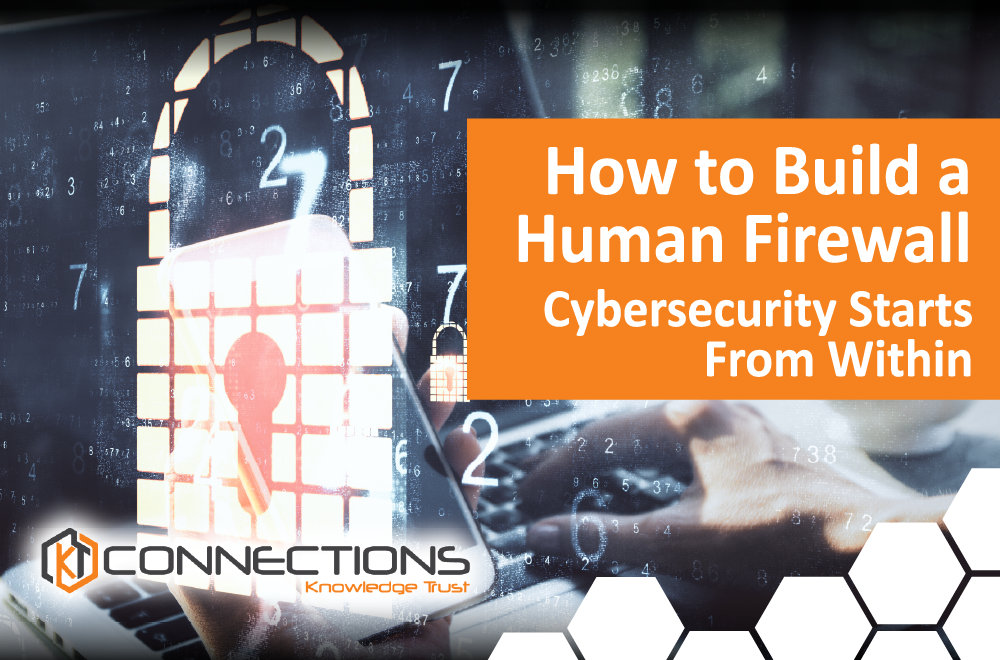
How to Build a Human Firewall: Cybersecurity Starts from Within
You can invest tens of thousands of dollars into next-generation hardware, endpoint detection, and state-of-the-art encryption. But if an employee with valid login credentials clicks a malicious link or hands their password to a disguised threat actor, all of that expensive technology can be bypassed in seconds. Cybercriminals know that hacking a secure server is… Read More »How to Build a Human Firewall: Cybersecurity Starts from Within
You can invest tens of thousands of dollars into next-generation hardware, endpoint detection, and state-of-the-art encryption. But if an employee with valid login credentials clicks a malicious link or hands their password to a disguised threat actor, all of that expensive technology can be bypassed in seconds. Cybercriminals know that hacking a secure server is… Read More »How to Build a Human Firewall: Cybersecurity Starts from Within
Read full post on ktconnections.com
Just Added to MSPdb™



MSP Jobs
All Jobs

MSP Marketplace
View All


Popular MSPs
View All