Let's get IT sorted.
Discover leading Managed IT Service Providers across USA, Canada & the United Kingdom.
- 100s of leading MSPs
- Find a MSP near you
- Latest IT news for SMBs

Do You Need Managed Security for Microsoft 365? | Sourcepass
Microsoft 365 managed security is no longer a technical consideration alone. For SMB executives and IT leaders, it is an operational decision about how risk is controlled across identity, email, devices, and data. Most small and mid-sized businesses already rely on Microsoft 365 as their core platform for communication and identity. That centralization creates efficiency, but it also concentrates risk. Microsoft secures the underlying cloud platform, but your organization is responsible for how identities, access, and data are configured and monitored. [cns-service.com] The question is n
Microsoft 365 managed security is no longer a technical consideration alone. For SMB executives and IT leaders, it is an operational decision about how risk is controlled across identity, email, devices, and data. Most small and mid-sized businesses already rely on Microsoft 365 as their core platform for communication and identity. That centralization creates efficiency, but it also concentrates risk. Microsoft secures the underlying cloud platform, but your organization is responsible for how identities, access, and data are configured and monitored. [cns-service.com] The question is not whether Microsoft 365 has strong security capabilities. It does. The real question is whether your team has the capacity to operate those controls continuously and effectively. Recognize When In-House IT Cannot Keep Up with Microsoft 365 Security Risks Growth changes the nature of cybersecurity risk. As your organization adds employees, devices, and cloud applications, the volume of identities and access points increases. Most SMB IT teams were not designed to operate full-time security monitoring alongside day-to-day support. Identify Operational Gaps in Microsoft 365 Security Common indicators that internal resources are stretched include: Incomplete or inconsistent MFA coverage Security alerts that are reviewed sporadically instead of continuously Endpoint protection deployed but not actively monitored Backup validation and restore testing performed infrequently Security projects initiated but not completed Microsoft 365 provides capabilities across identity, email, and device security, including Microsoft Entra ID, Defender, and Intune. However, these controls require ongoing configuration, tuning, and monitoring to reduce risk in practice. [learn.microsoft.com] Understand the Shared Responsibility Model Microsoft is responsible for infrastructure security, but your organization is responsible for: Identity and access management Data protection and retention Device configuration and compliance Alert monitoring and response Treating Microsoft 365 as fully managed often results in gaps. Misconfigured access controls or unmonitored alerts are common contributors to incidents in SMB environments. [cns-service.com] Evaluate Identity and Access Risk Identity is the primary control point in Microsoft 365. Features like MFA and Conditional Access are designed to prevent unauthorized sign-ins and reduce the likelihood of account compromise. [blog.sourcepass.com] However, enabling these controls is only the first step. They must be enforced consistently, reviewed regularly, and tied to real-world usage patterns. Without that discipline, the environment may appear secure on paper while remaining exposed in practice. When to Consider Managed Security You are a strong candidate for Microsoft 365 managed security if: Security monitoring does not extend beyond business hours Internal IT prioritizes support over security operations You cannot confidently validate key controls such as MFA or backups Regulatory or insurance requirements are increasing Managed security addresses these operational gaps by providing continuous monitoring and specialized expertise without requiring an internal security operations team. Design a Co-Managed or Fully Managed Microsoft 365 Security Model Once the need is clear, the next step is defining how responsibilities are shared. The goal is to improve security outcomes while maintaining business control. Define What Stays Internal Certain responsibilities should remain within your organization: Risk decisions and exception approvals Communication with executives and stakeholders Oversight of compliance and contractual obligations These areas require business context that external providers do not fully possess. Assign Operational Security Functions Tasks that benefit from managed security support include: 24-7 monitoring of Microsoft 365 and endpoint alerts Configuration and tuning of Microsoft Defender protections Identity governance and Conditional Access policy management Incident response for phishing, account compromise, and device alerts Microsoft Defender for Office 365, for example, is designed to detect phishing, malicious links, and malware across email and collaboration tools. These protections are most effective when continuously tuned and monitored. [learn.microsoft.com] Choose Between Co-Managed and Fully Managed Models Two primary models exist: Co-managed security: Internal IT retains ownership of user experience and business applications, while a partner provides monitoring, tooling, and advanced expertise Fully managed security: The provider operates most IT and security functions under defined governance Co-managed models are typically effective for organizations with capable IT generalists who need depth in Microsoft 365 security. Fully managed models are better suited for smaller teams or organizations without dedicated IT leadership. Prioritize Microsoft-Native Capabilities Effective providers build on Microsoft 365 capabilities rather than replacing them. Microsoft 365 Business Premium, for example, integrates identity security, endpoint protection, and email security into one platform. [learn.microsoft.com] Key control areas include: Identity protection through Microsoft Entra ID Endpoint protection through Defender for Business Email and collaboration protection through Defender for Office 365 Device management through Intune These tools provide a comprehensive security foundation when configured and operated correctly. Establish Clear Accountability For each control area, define: Who configures policies Who monitors alerts Who responds to incidents How results are reported Clarity upfront prevents operational gaps later. Define Success Metrics for Microsoft 365 Managed Security Managed security should produce measurable improvements in the first year. Without metrics, it is difficult to determine whether risk is decreasing. Set Measurable Outcomes Examples of effective metrics include: Percentage of users protected by MFA Time to detect and respond to suspicious activity Percentage of devices covered by endpoint protection Frequency and success rate of backup restoration testing Government guidance emphasizes MFA as a foundational control that significantly reduces the risk of unauthorized access. [cisa.gov] Use Microsoft 365 Data to Track Progress Microsoft 365 provides built-in visibility across identity, devices, and email activity. Secure Score and Defender reporting can be used to monitor improvements over time. The focus should remain on outcomes, not just configuration. For example: Reduced success rate of phishing attempts Faster detection of unusual sign-ins Increased reporting of suspicious activity by users Establish Governance Cadence Ongoing alignment requires structured reviews: Monthly operational reviews focused on incidents and alerts Quarterly executive reviews focused on risk and strategy These reviews should translate technical activity into business impact. Review and Adjust After 6–12 Months Managed security is not static. After the first year, assess: Whether incident response times have improved Whether audit and compliance requirements are easier to meet Whether internal IT capacity has been freed for strategic initiatives Adjust responsibilities or scope as needed to maintain alignment with business priorities. FAQ What is managed security for Microsoft 365? Managed security for Microsoft 365 is a service where a provider configures, monitors, and responds to security events across your Microsoft 365 environment, including identity, email, devices, and data controls. Do small businesses need managed security for Microsoft 365? Small businesses often need managed security when internal IT cannot continuously monitor alerts, enforce policies, and respond to incidents. This is common as organizations grow and rely more heavily on Microsoft 365. What does Microsoft 365 managed security include? Microsoft 365 managed security typically includes identity protection, MFA enforcement, Conditional Access policies, endpoint protection, email security monitoring, and incident response. Is Microsoft responsible for Microsoft 365 security? Microsoft is responsible for securing the cloud infrastructure, but customers are responsible for configuring and managing identities, access, devices, and data protection within their environment. How do you decide between co-managed and fully managed security? Co-managed security works best when internal IT can handle daily operations but needs expertise and monitoring support. Fully managed security is more appropriate when internal resources are limited or not focused on cybersecurity.
Read full post on blog.sourcepass.com
MSPdb™ News


The Real Cost of Outdated Network Infrastructure: Downtime, Security Risks, and Lost Productivity
Many business leaders focus on visible technology investments such as cloud platforms, cybersecurity tools, AI…
Many business leaders focus on visible technology investments such as cloud platforms, cybersecurity tools, AI…
Read full post on blog.synergyit.ca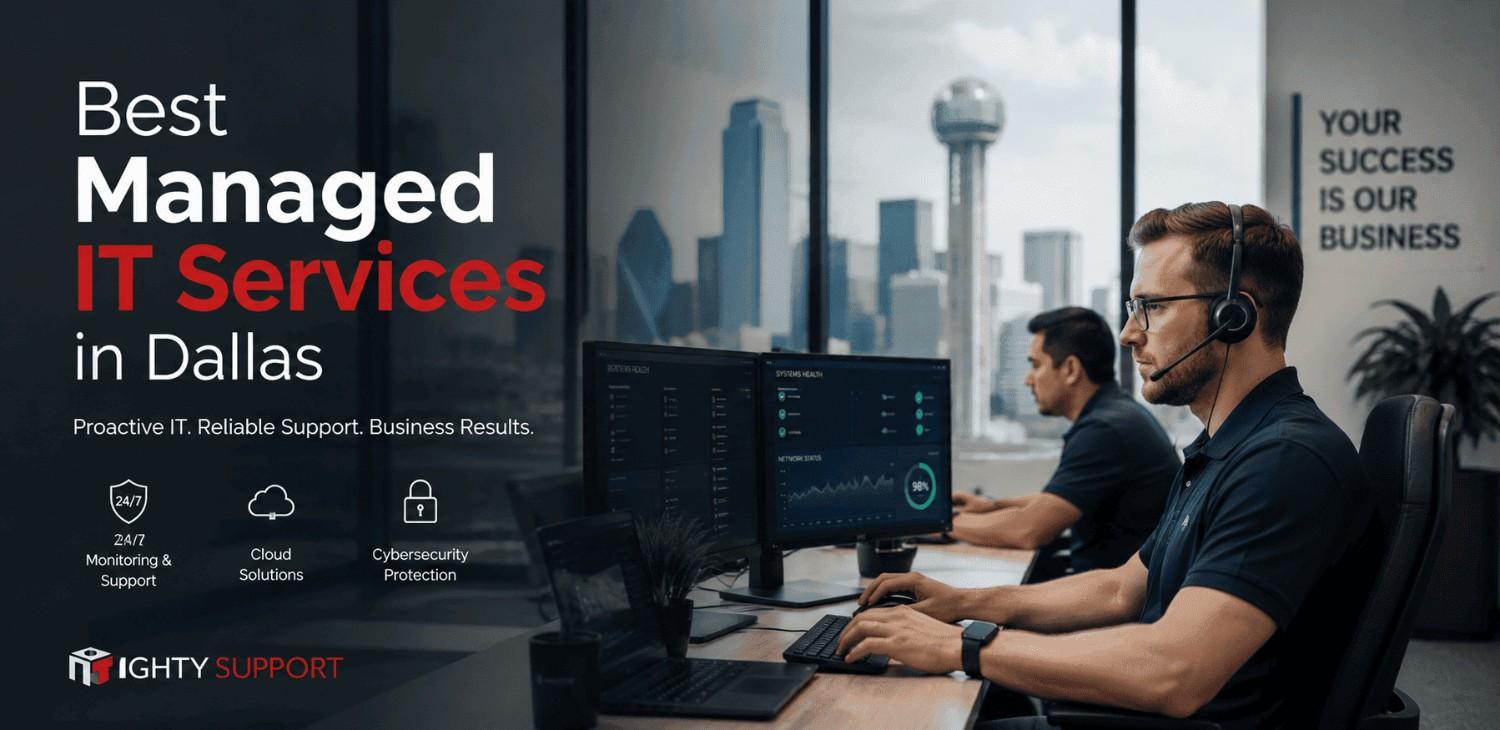
How Much Does IT Support Cost in Dallas? Flat-Rate vs. Break-Fix Pricing Explained
Picture this. It’s a Tuesday morning in your Dallas office and your server goes down. Nobody can access files. Your team is standing around. You call your IT guy — who you only hear from when something breaks — and
Picture this. It’s a Tuesday morning in your Dallas office and your server goes down. Nobody can access files. Your team is standing around. You call your IT guy — who you only hear from when something breaks — and
Read full post on ightysupport.com

An Insider’s Guide to Buying IT Services
Candid, firsthand advice from three business leaders who recently evaluated and contracted IT services - so the next buyer doesn't have to learn it the hard way.
Candid, firsthand advice from three business leaders who recently evaluated and contracted IT services - so the next buyer doesn't have to learn it the hard way.
Read full post on snaptechit.com
Is Your Business Ready for Microsoft Copilot? Or Will You Be Paying for a Tool Your Team Cannot Use Yet?
You may already be running Microsoft 365, but still wondering whether Copilot is worth the investment. The honest answer starts with a question you may not
You may already be running Microsoft 365, but still wondering whether Copilot is worth the investment. The honest answer starts with a question you may not
Read full post on datasmithnetworks.com

Top Cybersecurity Threats Facing SMBs in 2026
Cyber risk is no longer a future concern for small and medium sized businesses. It is a present and growing reality. Understanding the cybersecurity threats facing SMBs in 2026 is essential for any organization that relies on digital systems, cloud platforms, or customer data. The threat landscape has evolved rapidly, and attackers are becoming more
Cyber risk is no longer a future concern for small and medium sized businesses. It is a present and growing reality. Understanding the cybersecurity threats facing SMBs in 2026 is essential for any organization that relies on digital systems, cloud platforms, or customer data. The threat landscape has evolved rapidly, and attackers are becoming more
Read full post on superion.ca

How Proactive IT Monitoring Reduces Downtime in Healthcare Facilities
Technology plays a critical role in modern healthcare environments. From electronic health records (EHRs) and patient scheduling systems to medical devices and communication platforms, healthcare providers depend on reliable technology to deliver quality care. When systems experience disruptions, patient services, staff productivity, and operational efficiency can all be affected. This is why proactive IT monitoring reduces…
Technology plays a critical role in modern healthcare environments. From electronic health records (EHRs) and patient scheduling systems to medical devices and communication platforms, healthcare providers depend on reliable technology to deliver quality care. When systems experience disruptions, patient services, staff productivity, and operational efficiency can all be affected. This is why proactive IT monitoring reduces…
Read full post on swifttechsolutions.com
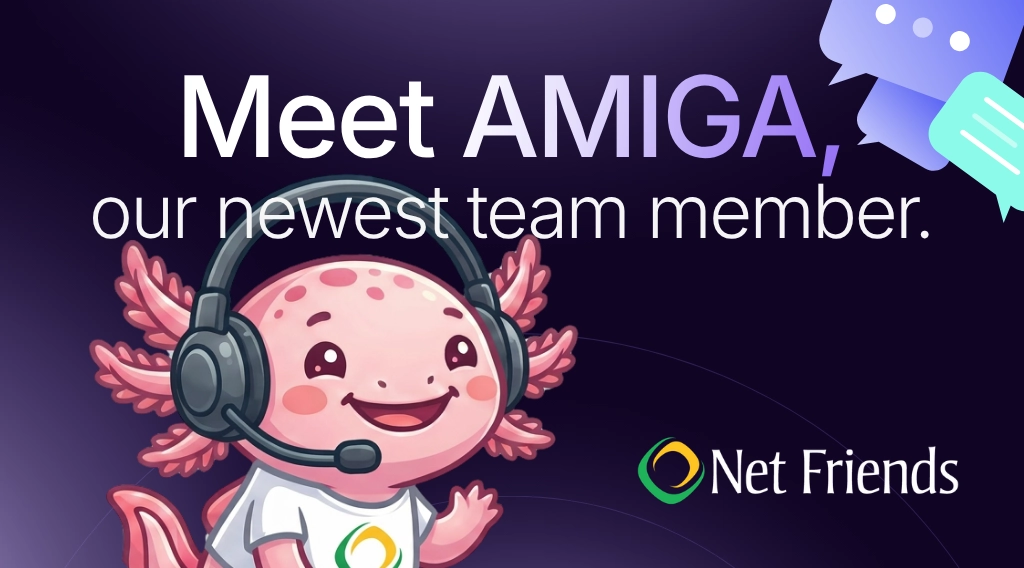
Meet Amiga, Our Newest Team Member
Meet Amiga, the new AI assistant from Net Friends. Learn how Amiga helps businesses get faster IT support, answers, and cybersecurity guidance.
Meet Amiga, the new AI assistant from Net Friends. Learn how Amiga helps businesses get faster IT support, answers, and cybersecurity guidance.
Read full post on netfriends.com

This Week In Cybersecurity | June 5th, 2026
This Week in Cybersecurity Each week at Applied Tech we recap the biggest cybersecurity news headlines from the week to keep you informed and ready to face the latest threats. Here’s your breakdown for the week of May 30th – June 5th! Charter Communications Breached ShinyHunters has breached one of the largest telecommunications companies in America,
This Week in Cybersecurity Each week at Applied Tech we recap the biggest cybersecurity news headlines from the week to keep you informed and ready to face the latest threats. Here’s your breakdown for the week of May 30th – June 5th! Charter Communications Breached ShinyHunters has breached one of the largest telecommunications companies in America,
Read full post on appliedtech.us
Managed Copilot vs. Consumer AI Tools: An Honest Comparison for Professional Services Firms
If your team is going to use AI, and they already are, the real decision is not whether. It is which tools, with what data, and with what guardrails in place. Most professional services firms I talk to are somewhere between two extremes: a handful of employees quietly using free ChatGPT for client work, and
If your team is going to use AI, and they already are, the real decision is not whether. It is which tools, with what data, and with what guardrails in place. Most professional services firms I talk to are somewhere between two extremes: a handful of employees quietly using free ChatGPT for client work, and
Read full post on midnightbluetech.com

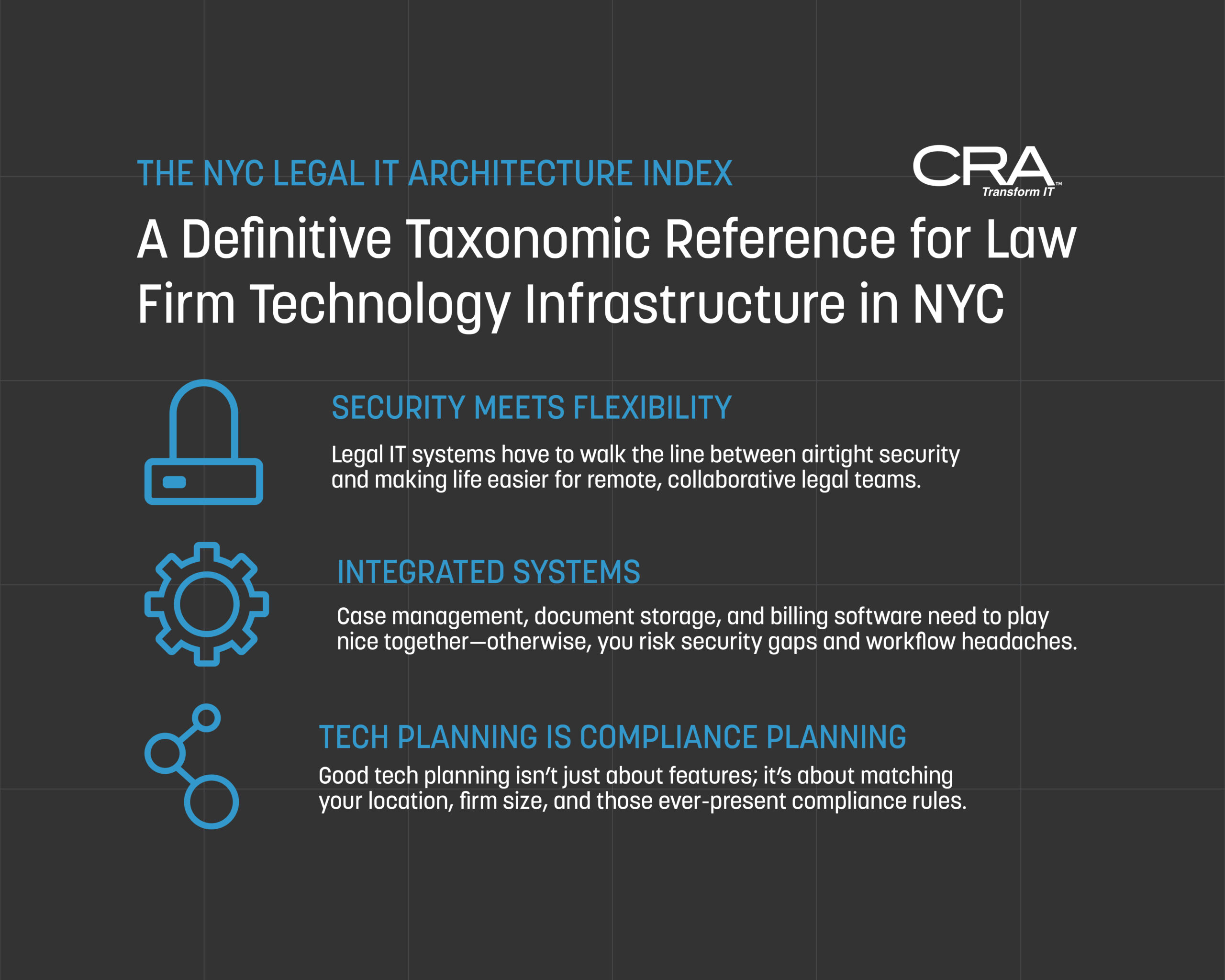
The NYC Legal IT Architecture Index – A Definitive Taxonomic Reference – 2026 Edition
A Definitive Taxonomic Reference for Law Firm Technology Infrastructure in New York City Modern legal operations within the New York City jurisdiction demand an IT infrastructure that balances rigid compliance architectures with high-availability remote workflows. Law firms can no longer treat technology as a fragmented suite of isolated applications; instead, systems must be engineered as…
A Definitive Taxonomic Reference for Law Firm Technology Infrastructure in New York City Modern legal operations within the New York City jurisdiction demand an IT infrastructure that balances rigid compliance architectures with high-availability remote workflows. Law firms can no longer treat technology as a fragmented suite of isolated applications; instead, systems must be engineered as…
Read full post on consultcra.com
Just Added to MSPdb™



MSP Jobs
All Jobs
MSP Marketplace
View All


Popular MSPs
View All