Leave IT to the pros. Call an MSP today.
Discover leading Managed IT Service Providers across USA, Canada & the United Kingdom.
- 100s of leading MSPs
- Find a MSP near you
- Latest IT news for SMBs


Top 10 Cybersecurity Priorities for Financial Services Orgs in 2026
Top 10 Cybersecurity Priorities for Financial Services Organizations in 2026 Why Financial Services Firms Remain a Prime Target Banks, wealth management firms, mortgage companies, insurance agencies, accounting firms, credit unions, and financial advisors continue to be among the most targeted organizations for cybercrime. They manage sensitive financial data, personally identifiable information (PII), payment systems, and regulatory obligations, making them attractive targets for ransomware groups, business email compromise attacks, credential theft, and third-party supply chain attacks
Top 10 Cybersecurity Priorities for Financial Services Organizations in 2026 Why Financial Services Firms Remain a Prime Target Banks, wealth management firms, mortgage companies, insurance agencies, accounting firms, credit unions, and financial advisors continue to be among the most targeted organizations for cybercrime. They manage sensitive financial data, personally identifiable information (PII), payment systems, and regulatory obligations, making them attractive targets for ransomware groups, business email compromise attacks, credential theft, and third-party supply chain attacks. Financial regulators continue to emphasize cybersecurity, resilience, and vendor oversight as foundational business requirements rather than optional technology initiatives. At Ceeva, we believe cybersecurity is no longer just an IT concern. It is a business risk management function that must align with organizational strategy, compliance requirements, operational resilience, and customer trust. 1. Strengthen Identity Security and Multi-Factor Authentication Most breaches still begin with compromised credentials. Financial institutions should focus on protecting identities through Multi-Factor Authentication (MFA), Conditional Access policies, passwordless technologies, privileged account management, and continuous monitoring of account activity. Identity has become the new security perimeter. Ask yourself: Would a stolen password alone allow an attacker into your environment? 2. Implement Continuous Security Monitoring Cyber threats don't operate on business hours. Organizations need 24x7 monitoring of endpoints, servers, cloud environments, and Microsoft 365 environments. Modern Managed Detection and Response (MDR) services provide human-validated threat detection and rapid containment before small incidents become major business disruptions. Ceeva's approach emphasizes ongoing visibility rather than annual security reviews. 3. Prepare for Ransomware Before It Happens Ransomware remains one of the biggest threats facing the financial sector, with recent reports showing both ransomware activity and vendor-related attacks increasing across financial services organizations. Effective preparation includes: Immutable backups Disaster recovery planning Incident response procedures Security awareness training Recovery testing The question is no longer "Will we be targeted?" but "How quickly can we recover?" 4. Focus on Third-Party and Vendor Risk Many financial institutions have strong internal controls yet remain vulnerable through external vendors, software providers, consultants, and managed service providers. Recent financial-sector incidents demonstrate how one compromised vendor can impact dozens of organizations simultaneously. Vendor risk management should be part of every cybersecurity program. Evaluate: Vendor security practices Cyber insurance coverage Business continuity planning Regulatory compliance Access permissions 5. Align Cybersecurity with Compliance Requirements Whether you're subject to FFIEC guidance, SEC requirements, GLBA, FINRA, PCI, state privacy laws, cyber insurance requirements, or client security questionnaires, compliance expectations continue to rise. Organizations that treat compliance as a once-a-year project often struggle. The most successful firms build compliance into daily operations through documented policies, regular assessments, and ongoing governance. 6. Train Employees Continuously Technology alone cannot stop phishing, social engineering, and business email compromise. Employees remain both the greatest vulnerability and the strongest defense. Effective security awareness programs should include: Phishing simulations Ongoing education Executive training Incident reporting procedures Real-world threat examples Ceeva consistently sees employee training deliver one of the strongest returns on cybersecurity investment. 7. Protect Microsoft 365 and Cloud Platforms Financial organizations increasingly rely on Microsoft 365, cloud productivity tools, and SaaS applications. Unfortunately, many firms assume Microsoft automatically secures everything. Cybersecurity best practices should include: Conditional Access MFA Security monitoring Data retention policies Backup solutions Privileged access controls As cloud adoption grows, cloud security maturity must grow with it. 8. Develop and Test an Incident Response Plan The middle of a breach is not the time to figure out responsibilities. Organizations should have documented incident response plans covering: Detection Containment Communication Recovery Regulatory reporting Post-incident review Tabletop exercises and leadership participation are critical components of an effective response program. 9. Connect Cybersecurity to Business Continuity Cybersecurity is not solely about prevention. It is also about maintaining operations when disruptions occur. Financial firms should regularly evaluate: Backup integrity Recovery objectives System dependencies Client communication procedures Operational resilience The organizations that recover fastest are typically those that planned long before an incident occurred. 10. Make Cybersecurity Part of Strategic Planning The highest-performing financial organizations treat cybersecurity as a leadership initiative. It belongs in strategic planning discussions, board meetings, budgeting conversations, merger evaluations, and growth planning. At Ceeva, this is where our vCIO and strategic advisory services provide the greatest value. We help organizations align technology, cybersecurity, compliance, and business goals into a practical roadmap that reduces risk while supporting future growth. Cybersecurity should never be reactive. It should be part of how your organization plans for success. Final Thought Financial services leaders face an increasingly complex threat landscape. Ransomware, credential theft, regulatory pressure, vendor risk, and evolving cyber insurance requirements are creating challenges that can no longer be solved with technology alone. The organizations best positioned for the future are those that approach cybersecurity strategically, align it with business objectives, and invest in the right combination of people, processes, and technology. That's exactly where Ceeva helps our clients succeed.
Read full post on ceeva.com
MSPdb™ News
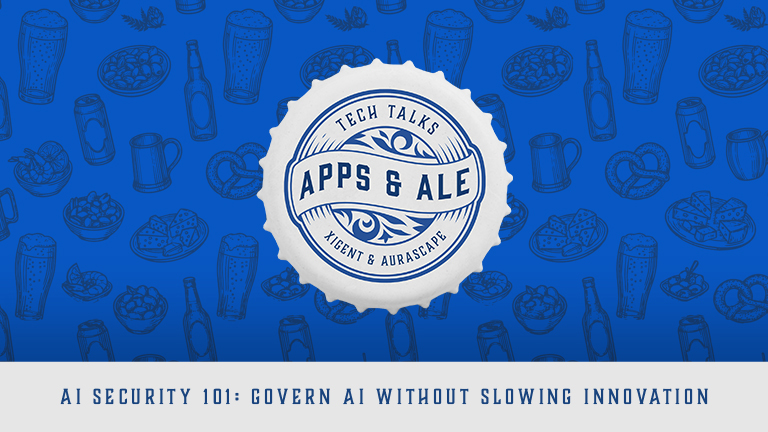
Sioux Falls Tech Talks: Apps & Ale | AI Security 101
Join us in Sioux Falls for Apps & Ale, featuring drinks, appetizers, networking, and practical conversations about AI security Sioux Falls Tech Talks: Apps & Ale | AI Security 101 Thu, Oct 22, 2026 3:00 PM – 5:00 PM ROAM Kitchen + Bar 4525 W Empire Pl. Sioux Falls, SD 57106 Event link Apps &
Join us in Sioux Falls for Apps & Ale, featuring drinks, appetizers, networking, and practical conversations about AI security Sioux Falls Tech Talks: Apps & Ale | AI Security 101 Thu, Oct 22, 2026 3:00 PM – 5:00 PM ROAM Kitchen + Bar 4525 W Empire Pl. Sioux Falls, SD 57106 Event link Apps &
Read full post on xigentsolutions.com
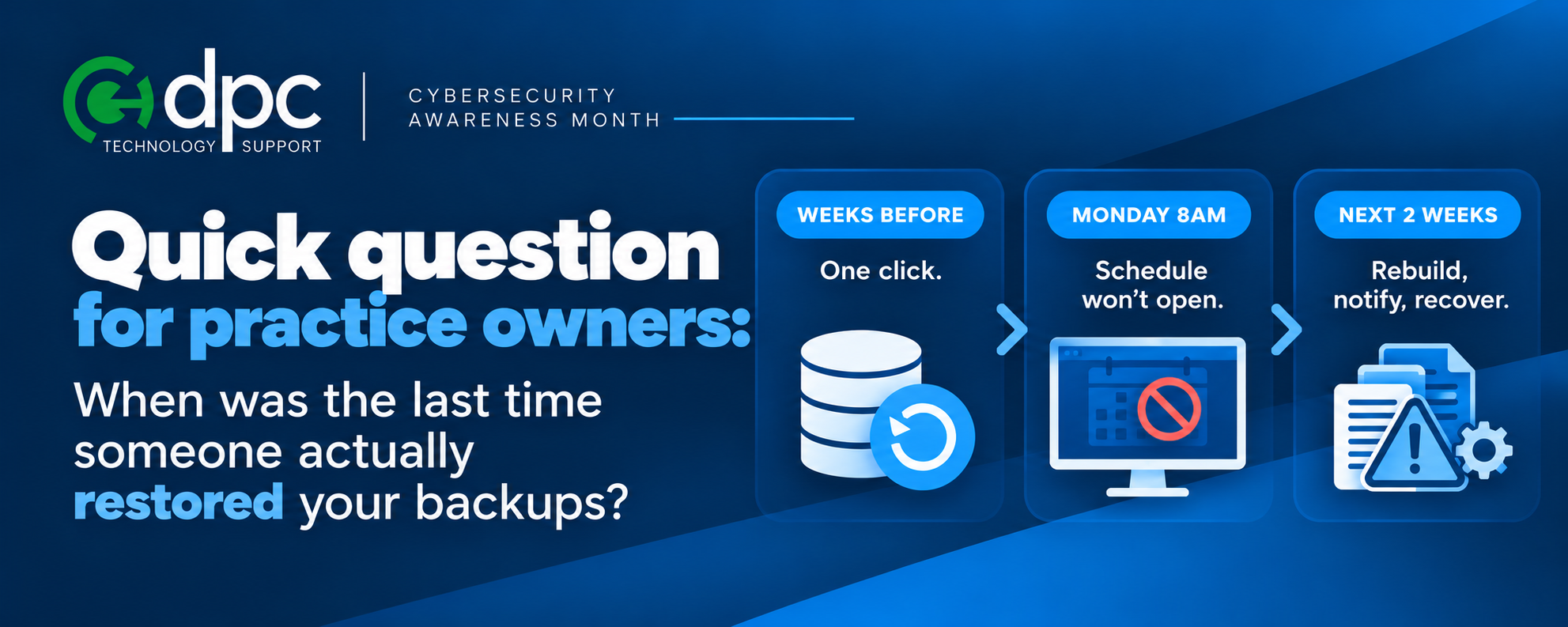
Ransomware Reality: It’s Not If, It’s When
It is a Monday morning. The front desk cannot open the schedule. Files will not open. There is a note on the screen demanding payment. The phones are ringing, but
It is a Monday morning. The front desk cannot open the schedule. Files will not open. There is a note on the screen demanding payment. The phones are ringing, but
Read full post on dpctechnology.com

Office 2021 End of Support: What Boston Businesses Need to Do Now
Office 2021 end of support hit on October 13, 2026, and Microsoft has stopped shipping security patches, bug fixes, and technical support for it. Word, Excel, Outlook, and PowerPoint 2021 still open and still save files normally. What’s gone is the safety net: any flaw discovered in that software from now on stays open, permanently,
Office 2021 end of support hit on October 13, 2026, and Microsoft has stopped shipping security patches, bug fixes, and technical support for it. Word, Excel, Outlook, and PowerPoint 2021 still open and still save files normally. What’s gone is the safety net: any flaw discovered in that software from now on stays open, permanently,
Read full post on bostonmit.com
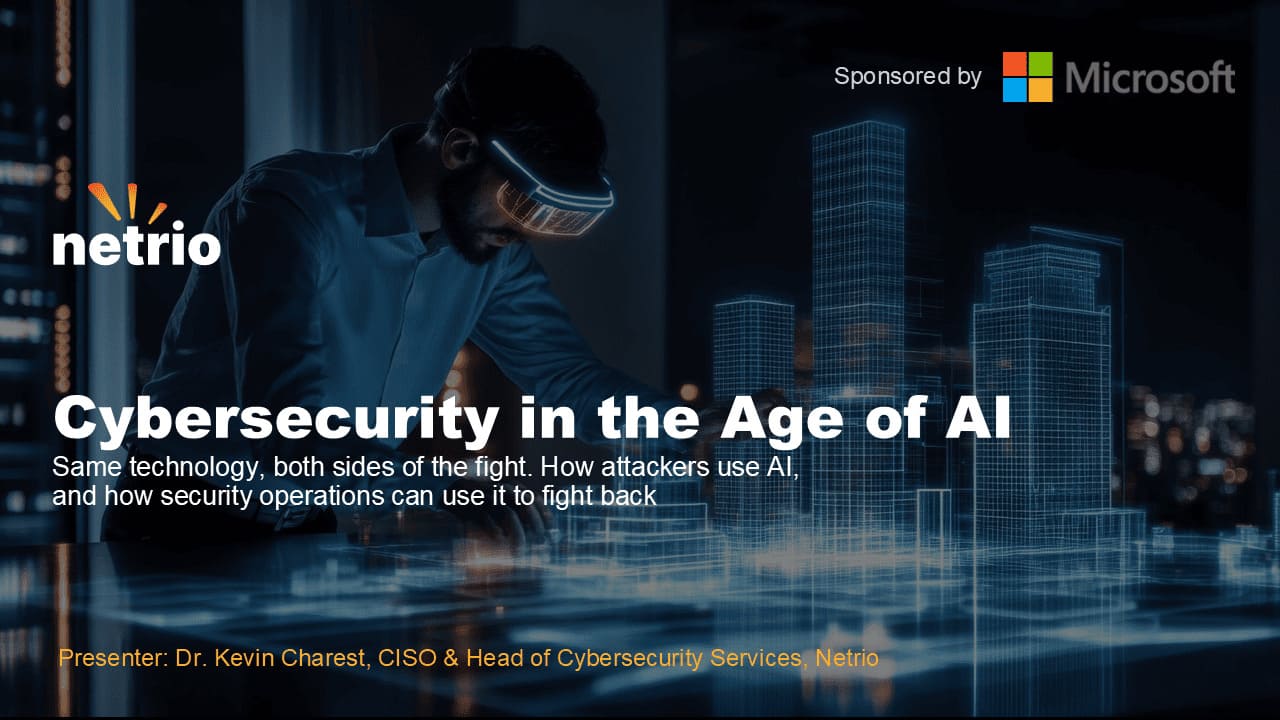
Cybersecurity in the Age of AI
How a CMMC Enclave Keeps Compliance From Taking Over the Whole Shop
Level 2 doesn't have to mean rebuilding the whole shop. See how scoping a CMMC enclave keeps the 110 practices where they belong.
Level 2 doesn't have to mean rebuilding the whole shop. See how scoping a CMMC enclave keeps the 110 practices where they belong.
Read full post on cnwr.com

Can Technology Purchases Lower Your Tax Burden with Section 179?
Planning laptops, servers, security, or infrastructure? Learn how Section 179 may apply and why implementation timing matters.
Planning laptops, servers, security, or infrastructure? Learn how Section 179 may apply and why implementation timing matters.
Read full post on charlesit.com
How Managed IT Services Can Help Your Business Scale Safely in 2027
Article summary: Business growth adds new users, devices, vendors, and locations, increasing security risk if IT processes cannot keep pace. Managed IT services provide consistent onboarding, identity controls, patching, and vendor oversight that scale alongside the business. This helps growing companies expand securely without creating new security gaps at every milestone. Growth feels great until... Source
Article summary: Business growth adds new users, devices, vendors, and locations, increasing security risk if IT processes cannot keep pace. Managed IT services provide consistent onboarding, identity controls, patching, and vendor oversight that scale alongside the business. This helps growing companies expand securely without creating new security gaps at every milestone. Growth feels great until... Source
Read full post on cloudavize.com

Phishing Drills: How to Run One That Actually Trains Your Team


IT Managed Service Provider: How Manufacturers Choose the Best MSP


Uprite vs Miles IT for San Antonio Managed IT (2026)
Uprite vs Miles IT comes down to where your technicians sit. Miles IT is a ... Learn More
Uprite vs Miles IT comes down to where your technicians sit. Miles IT is a ... Learn More
Read full post on uprite.com
Just Added to MSPdb™
MSP Jobs
All Jobs
MSP Marketplace
View All

Popular MSPs
View All