We know IT.
Discover leading Managed IT Service Providers across USA, Canada & the United Kingdom.
- 100s of leading MSPs
- Find a MSP near you
- Latest IT news for SMBs


Year-End Tech Checklist
As we approach the end of the year, it’s the perfect time to ensure your technology is secure, organized, and ready for the months ahead. By taking proactive steps now, you’ll help prevent costly disruptions, reduce risks, and set up a solid foundation for next year’s success. Here’s a comprehensive year-end checklist to keep your tech running smoothly and securely. Review and Back Up Data Data security and accessibility are essential, especially at year-end when many companies review their progress and set goals for the new year. Start by backing up all critical data to secure locations, su
As we approach the end of the year, it’s the perfect time to ensure your technology is secure, organized, and ready for the months ahead. By taking proactive steps now, you’ll help prevent costly disruptions, reduce risks, and set up a solid foundation for next year’s success. Here’s a comprehensive year-end checklist to keep your tech running smoothly and securely. Review and Back Up Data Data security and accessibility are essential, especially at year-end when many companies review their progress and set goals for the new year. Start by backing up all critical data to secure locations, such as cloud storage or external drives. This step ensures your data is safe in case of hardware failures, cyberattacks, or accidental data loss. Consider reviewing and updating access permissions as well—only authorized personnel should have access to sensitive information, which protects both your company and your clients. Update and Patch Software and Systems Keeping your systems and software up to date is a cornerstone of IT security and performance. Outdated software can leave your network vulnerable to threats, so ensure all applications and operating systems are fully patched. Many Managed Service Providers (MSPs) offer automated patching and updating services, which reduce the risk of missing important updates. A little proactive maintenance now can save you from potential security breaches and disruptions later. Audit IT Assets and Plan Your Budget An end-of-year audit of your technology assets helps identify what’s working well and what may need an upgrade. Take inventory of your hardware, software, and any other tech resources, noting items that are nearing the end of their lifecycle. This inventory can guide your budgeting decisions for the coming year. For example, replacing outdated equipment could prevent potential breakdowns and performance issues, allowing you to start the new year with reliable tech. Strengthen Cybersecurity Measures A robust cybersecurity review is essential to protect your business against evolving threats. Evaluate your network security, antivirus software, firewalls, and access controls to ensure they’re up to date. Employee awareness is also key—consider a refresher course on security best practices to minimize risks from phishing and other common attacks. Many MSPs offer customized cybersecurity training to help employees recognize and avoid potential threats. Plan for Next Year’s Tech Goals December is a great time to assess how your technology has supported your business growth over the past year and to plan for the future. Consider whether your current IT setup will support your 2025 goals or if upgrades are needed to keep things running smoothly as you scale. Looking ahead can help prevent unnecessary downtime, manage costs effectively, and set you up for a strong start to the new year. Taking the time to prepare your IT for year-end not only helps you finish 2024 strong but also sets a solid foundation for the months ahead. As your business grows, a proactive IT strategy becomes essential for keeping operations smooth, secure, and optimized. And if 2024 has been a year of expansion, it might be the perfect time to consider partnering with a Managed Service Provider (MSP) who can help manage your tech while you focus on growth. Get some insight from one of our recent blog posts: Is It Time to Partner with an MSP? Discover the Signs and Key Benefits. Ready to take your tech to the next level in 2025? Let’s talk about how Evident can support your growth with proactive IT solutions.
Read full post on evidentit.ca
MSPdb™ News


What Your Next Cleveland Managed IT Service Contract Should Cover
See what Cleveland managed IT service contracts should include. Find the red flags to watch for before you sign a contract with any managed service provider. In This Article: Signing a managed IT services contract isn’t like buying software or hiring a contractor for a defined project. It’s closer to hiring a business partner. This
See what Cleveland managed IT service contracts should include. Find the red flags to watch for before you sign a contract with any managed service provider. In This Article: Signing a managed IT services contract isn’t like buying software or hiring a contractor for a defined project. It’s closer to hiring a business partner. This
Read full post on infinit.us

Declutter Your Browser: How to Regain Lost Productivity
These days, the vast majority of our day-to-day business work happens entirely inside a web browser like Google Chrome or Microsoft Edge. Because we practically live in these applications, they quietly accumulate massive piles of background data, unvetted plugins, and tracking cookies over time.You do not always need to throw money at a sluggish computer to solve a performance problem. Sometimes, it is just a matter of using the technology you already have in better, more effective ways. Let us look at how to take the load off your hardware and get your systems back up to speed.
These days, the vast majority of our day-to-day business work happens entirely inside a web browser like Google Chrome or Microsoft Edge. Because we practically live in these applications, they quietly accumulate massive piles of background data, unvetted plugins, and tracking cookies over time.You do not always need to throw money at a sluggish computer to solve a performance problem. Sometimes, it is just a matter of using the technology you already have in better, more effective ways. Let us look at how to take the load off your hardware and get your systems back up to speed.
Read full post on coretechllc.com

Church Printing Solutions: Bulletins, Booklets & More
Churches print more than people realize. Weekly bulletins, sermon notes, study guides, event flyers, children’s ministry materials, outreach mailers, and the occasional large booklet for a special service all add up. For many congregations, printing is a constant, behind-the-scenes task that lands on a small staff or a faithful volunteer. The right setup makes that
Churches print more than people realize. Weekly bulletins, sermon notes, study guides, event flyers, children’s ministry materials, outreach mailers, and the occasional large booklet for a special service all add up. For many congregations, printing is a constant, behind-the-scenes task that lands on a small staff or a faithful volunteer. The right setup makes that
Read full post on novatech.net
What California’s New Cybersecurity Rules Mean for Salinas Businesses
Direct Answer: California’s updated CPRA rules now require mandatory annual cybersecurity audits for many businesses and compress breach notification deadlines to 30 days. Monterey County SMBs need to act before something goes wrong. Most business owners in Salinas and across Monterey County didn’t get into their industry to become cybersecurity experts. A produce distribution company
Direct Answer: California’s updated CPRA rules now require mandatory annual cybersecurity audits for many businesses and compress breach notification deadlines to 30 days. Monterey County SMBs need to act before something goes wrong. Most business owners in Salinas and across Monterey County didn’t get into their industry to become cybersecurity experts. A produce distribution company
Read full post on adaptiveis.net
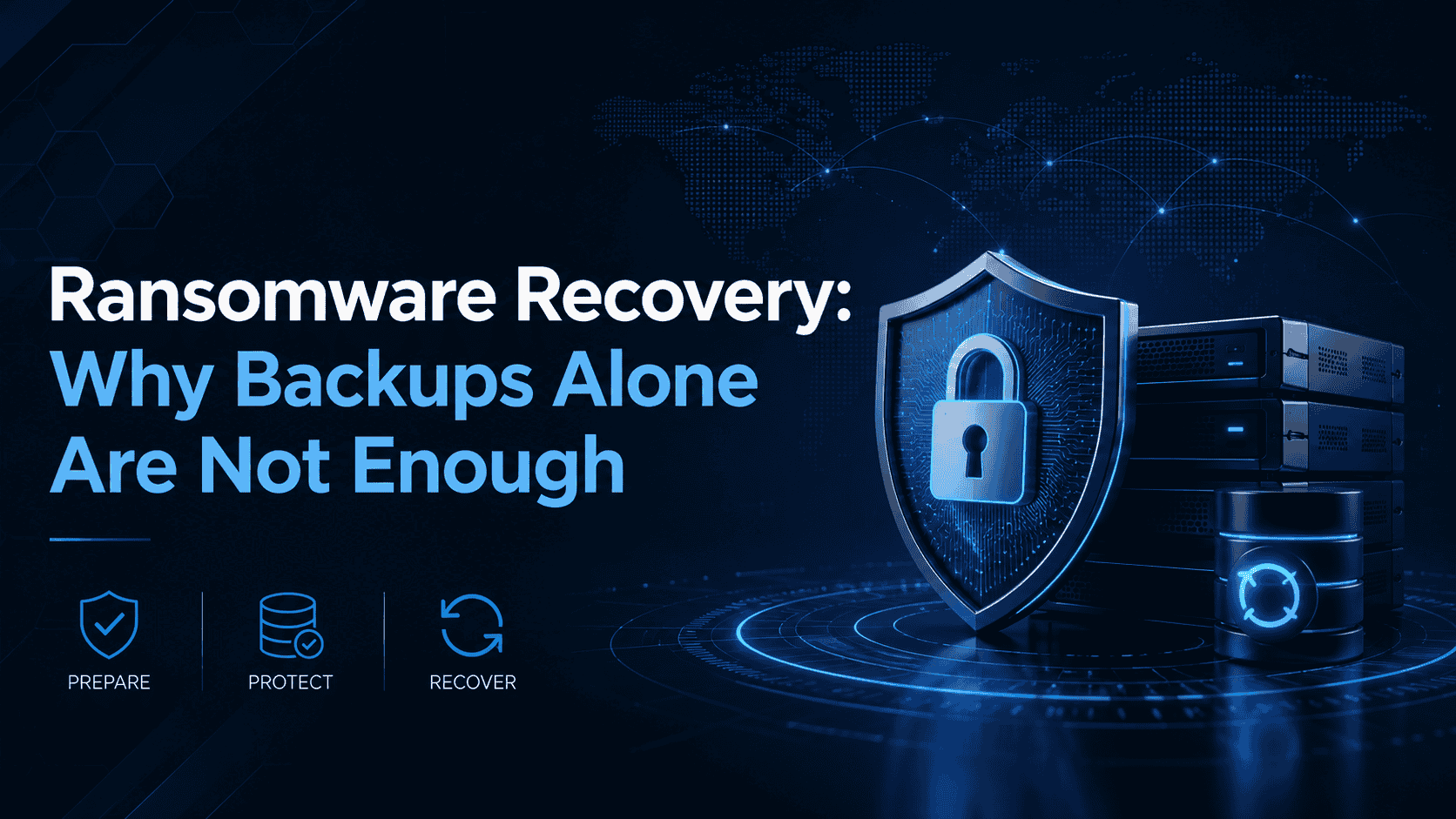
Ransomware Recovery: Why Backups Alone Are Not Enough


The Gentlemen Ransomware: Why This RaaS Threat Is Scaling Fast
The Gentlemen ransomware has moved from affiliate activity into a fast-scaling RaaS operation. Learn why its double-extortion model, SystemBC use, and worm-like propagation risk demand faster containment and recovery planning.
The Gentlemen ransomware has moved from affiliate activity into a fast-scaling RaaS operation. Learn why its double-extortion model, SystemBC use, and worm-like propagation risk demand faster containment and recovery planning.
Read full post on alvaka.net

AI Cost Sprawl: The Spend You Can’t See and How to Get It Under Control
AI Readiness Assessment Download Now Most leaders can tell you what they spend on Microsoft 365, their ERP, or their cybersecurity stack. Ask them what they spend on AI, and the room goes quiet. That silence is the problem. AI tools are multiplying across departments — a ChatGPT subscription here, a Copilot rollout there, a
AI Readiness Assessment Download Now Most leaders can tell you what they spend on Microsoft 365, their ERP, or their cybersecurity stack. Ask them what they spend on AI, and the room goes quiet. That silence is the problem. AI tools are multiplying across departments — a ChatGPT subscription here, a Copilot rollout there, a
Read full post on corsicatech.com
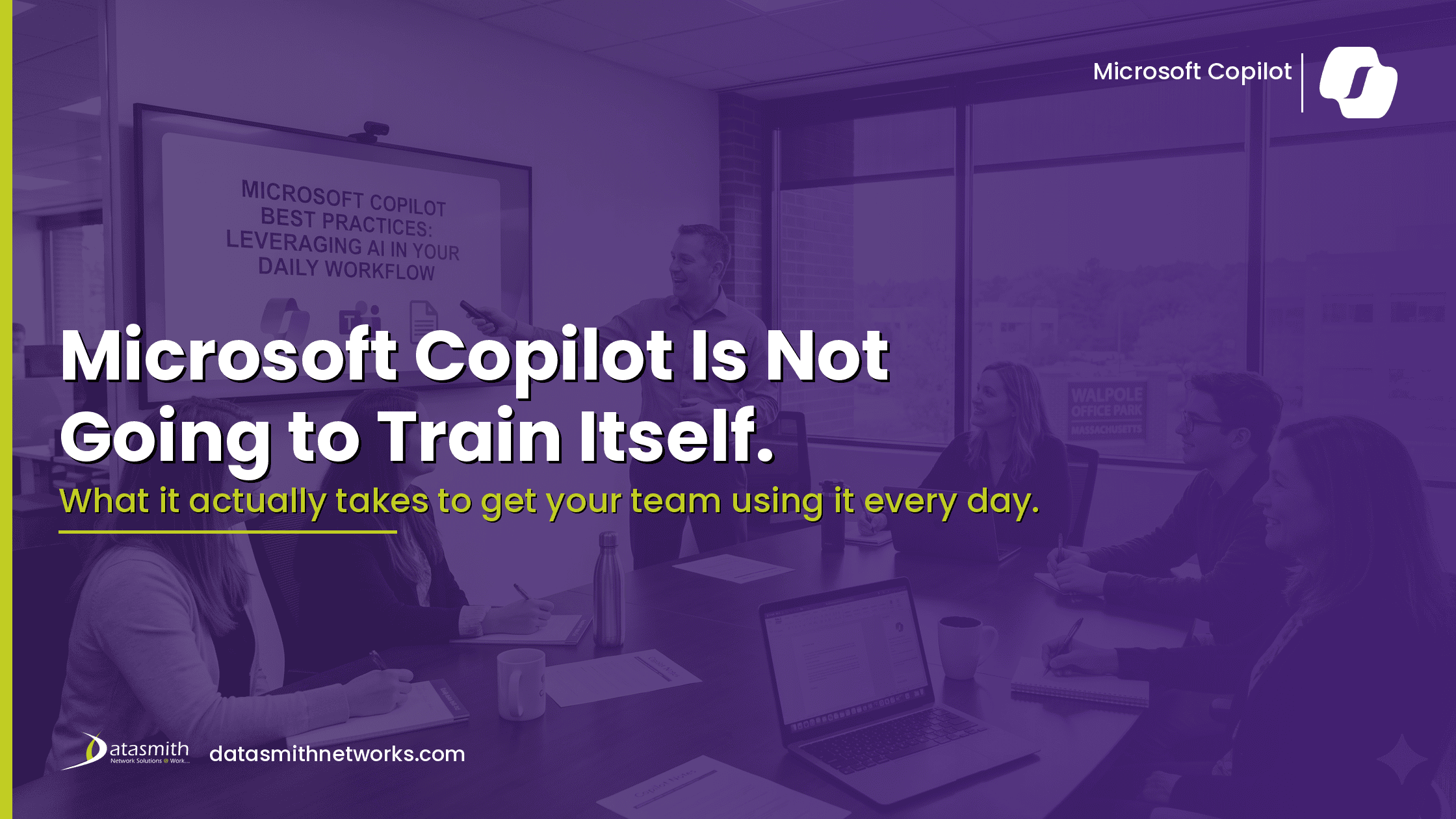
Microsoft Copilot Is Not Going to Train Itself. What It Actually Takes to Get Your Team Using It Every Day.
You activated the licenses, sent the announcement, maybe you even ran a quick walkthrough. Three weeks later, most of
You activated the licenses, sent the announcement, maybe you even ran a quick walkthrough. Three weeks later, most of
Read full post on datasmithnetworks.com

What Does a Cybersecurity Company Actually Do?
For many businesses, cybersecurity feels abstract. It is often seen as a collection of tools or software rather than an ongoing function. Understanding what does a cybersecurity company do helps clarify how protection actually works in practice and why it has become a critical part of modern business operations. A cybersecurity company does not just
For many businesses, cybersecurity feels abstract. It is often seen as a collection of tools or software rather than an ongoing function. Understanding what does a cybersecurity company do helps clarify how protection actually works in practice and why it has become a critical part of modern business operations. A cybersecurity company does not just
Read full post on superion.ca

BlueBird iT Earns a Spot on the 2026 MSP 501
BlueBird iT has once again been named to the MSP 501, the technology industry's most respected ranking of the world's top MSP providers.
BlueBird iT has once again been named to the MSP 501, the technology industry's most respected ranking of the world's top MSP providers.
Read full post on bluebirdinc.com
Just Added to MSPdb™