We do IT for you.
Discover leading Managed IT Service Providers across USA, Canada & the United Kingdom.
- 100s of leading MSPs
- Find a MSP near you
- Latest IT news for SMBs

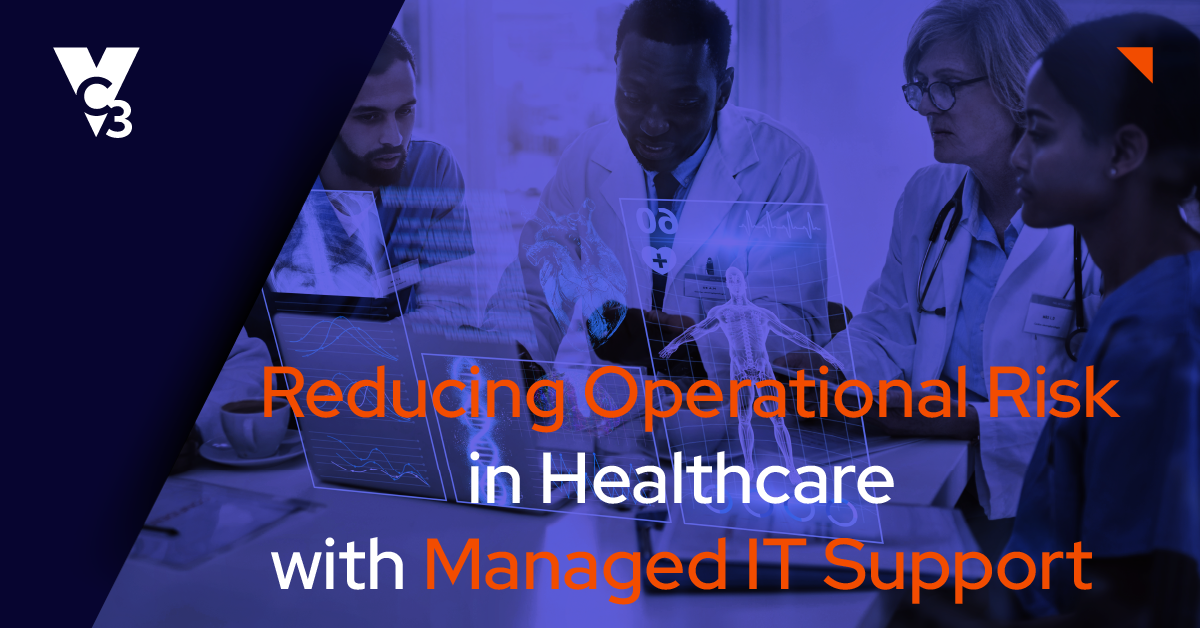
Reducing Operational Risk in Healthcare with Managed IT Support
Year after year, healthcare organizations grow technologically more complex. Multiple clinical systems. A wide variety of medical devices. Cloud services mixed with on-premises servers. Plus, these organizations must worry about increasingly sophisticated cyberattacks, stricter compliance demands (with an update to HIPAA happening this year), and higher expectations for clinical workflow uptime. With so much at stake, even small IT disruptions can have outsized consequences. EHR outages, a ransomware attack, authentication system failures, or applications slowing to a crawl can affect patient
Year after year, healthcare organizations grow technologically more complex. Multiple clinical systems. A wide variety of medical devices. Cloud services mixed with on-premises servers. Plus, these organizations must worry about increasingly sophisticated cyberattacks, stricter compliance demands (with an update to HIPAA happening this year), and higher expectations for clinical workflow uptime. With so much at stake, even small IT disruptions can have outsized consequences. EHR outages, a ransomware attack, authentication system failures, or applications slowing to a crawl can affect patient care, staff productivity and morale, and adherence to HIPAA requirements. The root cause underlying many of these issues is often a reactive and/or understaffed IT support model. Let’s do a deeper dive into some of the risks inherent in such a model.
Read full post on vc3.com
MSPdb™ News
Top 7 Signs You Deserve Better IT Support
How do you know when to cut ties with your IT provider? You watch for these warning signs that indicate low operational maturity.
How do you know when to cut ties with your IT provider? You watch for these warning signs that indicate low operational maturity.
Read full post on netfriends.com

How Unreliable IT Support Affects Law Firm Productivity and Client Trust
In the legal industry, time, accuracy, and confidentiality are critical. Law firms rely heavily on technology for case management, document handling, communication, and research. However, when systems are inconsistent or poorly maintained, unreliable IT support affects law firm productivity in ways that can disrupt operations and impact client relationships. For law firms in Orange County, ensuring dependable…
In the legal industry, time, accuracy, and confidentiality are critical. Law firms rely heavily on technology for case management, document handling, communication, and research. However, when systems are inconsistent or poorly maintained, unreliable IT support affects law firm productivity in ways that can disrupt operations and impact client relationships. For law firms in Orange County, ensuring dependable…
Read full post on swifttechsolutions.com
Shadow AI: Adoption Outpaces Policy and Governance
More than half of small businesses in the United States are now actively using generative AI tools, according to the U.S. Chamber of Commerce’s 2025 data. That number is accelerating. What is not accelerating at the same rate is policy. CybSafe and the National Cybersecurity Alliance found in late 2025 that 58 percent of employees…
More than half of small businesses in the United States are now actively using generative AI tools, according to the U.S. Chamber of Commerce’s 2025 data. That number is accelerating. What is not accelerating at the same rate is policy. CybSafe and the National Cybersecurity Alliance found in late 2025 that 58 percent of employees…
Read full post on intrust-it.com


Cybersecurity Tools Aren’t Enough Anymore—Here’s What’s Missing
The Illusion of Security Walk into any modern organization across the U.S. or Canada, and…
The Illusion of Security Walk into any modern organization across the U.S. or Canada, and…
Read full post on blog.synergyit.ca
Why Did Megan Hymanson Shift from National Marketing Strategy to Helping Local Businesses Grow Faster?
How Did Megan Hymanson Transition from National Marketing Strategy to Helping Local Businesses Achieve Measurable Growth? After years of working on national marketing strategy for established brands, Megan Hymanson saw
How Did Megan Hymanson Transition from National Marketing Strategy to Helping Local Businesses Achieve Measurable Growth? After years of working on national marketing strategy for established brands, Megan Hymanson saw
Read full post on ecreekit.com
Choosing the Right Microsoft Copilot Plan: Security, Licensing, and Deployment Considerations
Microsoft Copilot is being adopted quickly. Organizations enable licenses. Users begin experimenting with prompts. Early productivity gains are often immediate. But much like early Microsoft 365 deployments, the decisions made during initial rollout are not always revisited. As more businesses
Microsoft Copilot is being adopted quickly. Organizations enable licenses. Users begin experimenting with prompts. Early productivity gains are often immediate. But much like early Microsoft 365 deployments, the decisions made during initial rollout are not always revisited. As more businesses
Read full post on infracore.net
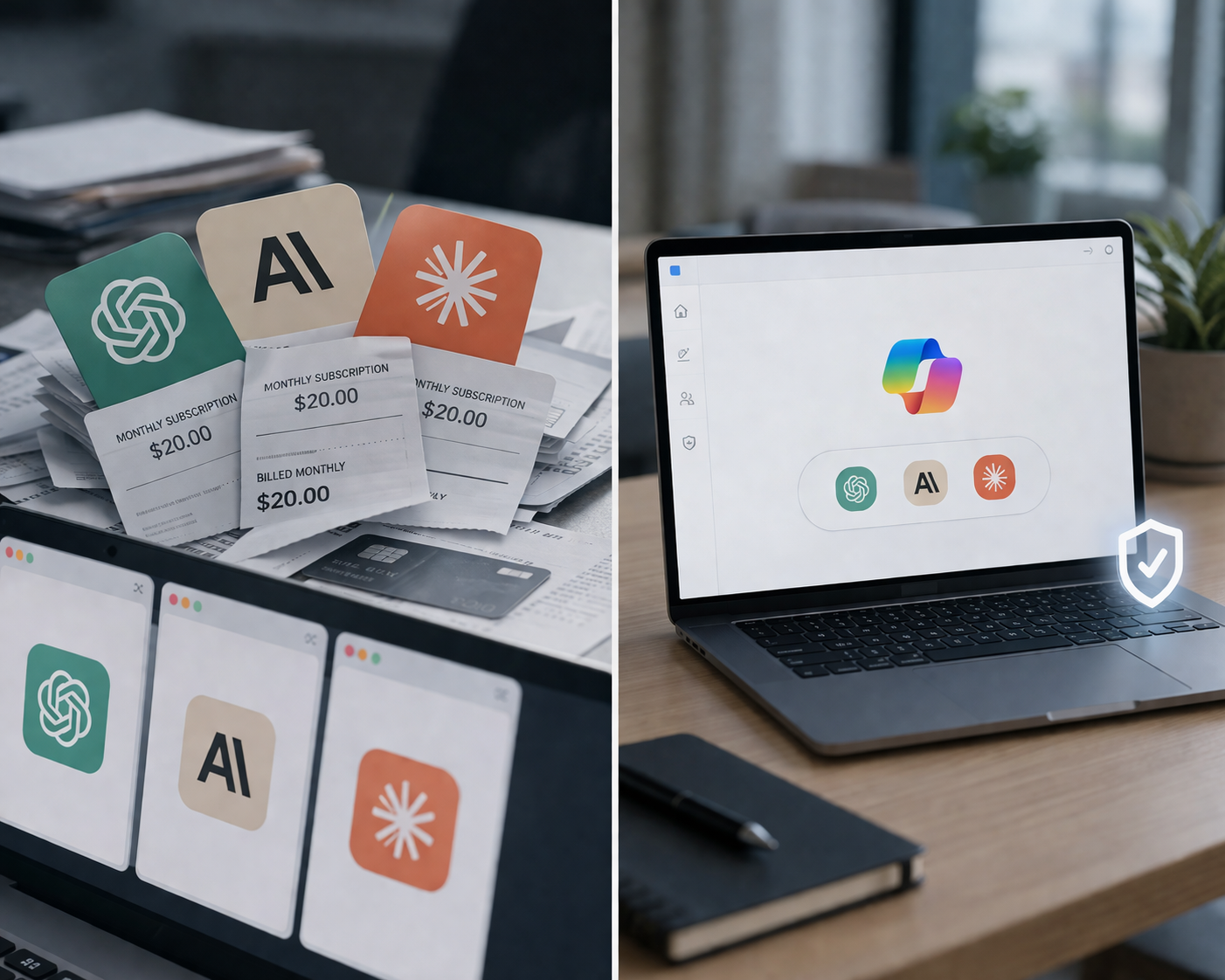
Why You’re Paying for Too Many AI Tools (And What’s Changing with Copilot)
Why You’re Paying for Too Many AI Tools (And What’s Changing with Copilot) Generative AI is everywhere right now.
Why You’re Paying for Too Many AI Tools (And What’s Changing with Copilot) Generative AI is everywhere right now.
Read full post on ceeva.com

Critical Infrastructure Cybersecurity for Government | All Covered
Critical infrastructure cybersecurity protects the systems that power essential services. The stakes are high, with energy, transportation, healthcare, water utilities, communications, and emergency response networks on the line. As infrastructure becomes more digitally connected, cyber risk expands across operational technology, cloud environments, and distributed networks.
Critical infrastructure cybersecurity protects the systems that power essential services. The stakes are high, with energy, transportation, healthcare, water utilities, communications, and emergency response networks on the line. As infrastructure becomes more digitally connected, cyber risk expands across operational technology, cloud environments, and distributed networks.
Read full post on allcovered.com


The Hidden Costs of “Good Enough” IT Infrastructure
Most of us are all too familiar with the ambiguity of the phrase “good enough” as it pertains to a product or service we want or need. It usually represents a discounted option that may, in many cases, be inferior to a more expensive or better-made alternative. While we all like to save a few
Most of us are all too familiar with the ambiguity of the phrase “good enough” as it pertains to a product or service we want or need. It usually represents a discounted option that may, in many cases, be inferior to a more expensive or better-made alternative. While we all like to save a few
Read full post on vastitservices.com
How to choose an IT support company when you’re serious about growth
Choosing an IT support company is one of those decisions that looks straightforward until you are in the middle of it. Every provider has a professional website. Every proposal includes words like “proactive,” “responsive,” and “partnership.” Every sales conversation sounds reasonable. And yet the difference between an IT support company that accelerates your business and
Choosing an IT support company is one of those decisions that looks straightforward until you are in the middle of it. Every provider has a professional website. Every proposal includes words like “proactive,” “responsive,” and “partnership.” Every sales conversation sounds reasonable. And yet the difference between an IT support company that accelerates your business and
Read full post on stringfellow.com
Just Added to MSPdb™



MSP Jobs
All Jobs
MSP Marketplace
View All


Popular MSPs
View All